A new exploration of the troubled relationship between religion and democracy, focusing in on two key questions:
* how has religion engaged with the democratization processes that have taken place over the last thirty years?
* how can it contribute towards democracy in the future?
These questions are tackled with clarity and rigour. Select chapters explore the ways in which religious ideas have been used to undermine authoritarian regimes and how religious institutions have provided the basis for resistance to such regimes. The reader is
This book was...
A new exploration of the troubled relationship between religion and democracy, focusing in on two key questions:
Originally published in 1890. This early works is a comprehensive and informative look at the subject and will appeal to any historian. Many of the earliest books, particularly those dating back to the 1900's and before, are now extremely scarce and increasingly expensive. We are republishing these classic works in affordable, high quality, modern editions, using the original text and artwork.
Originally published in 1890. This early works is a comprehensive and informative look at the subject and will appeal to any historian. Many of the...
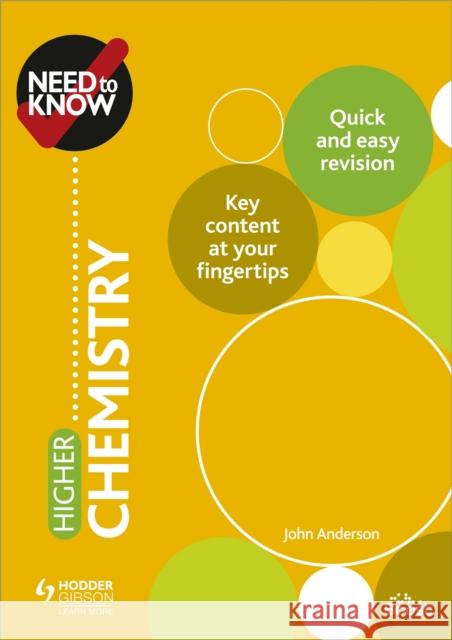
Exam board: SQA Level: Higher Subject: Chemistry First teaching: September 2018 First exams: Summer 2019 What do you really need to know for the SQA Higher Chemistry exam? This revision guide covers the essentials in less than 100 pages, so it's perfect for early exam preparation or last-minute revision. - Find key content at your fingertips with quick summaries of the concepts, processes and terminology that you need to understand - Get a better grade in your exam with tips on exam technique, mistakes to avoid and important things to remember - Revise and practise...
Exam board: SQA Level: Higher Subject: Chemistry First teaching: September 2018 First exams: Summer 2019 What do you really need to know f...
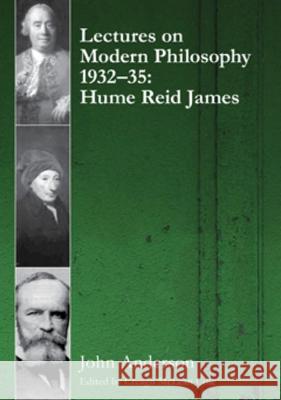
These lectures from the 1930s on David Hume, Thomas Reid and William James trace the development of John Anderson's empirical realism, helping to distinguish his position from "English" empiricism, Scottish commonsense and direct realism, radical empiricism and pragmatism. They also demonstrate Anderson's approach to the study of the history of philosophy. The lectures on David Hume place Anderson in direct opposition to his teacher and colleague at Edinburgh, Norman Kemp Smith, who heavily influenced the direction of Hume studies in the twentieth century. The lectures on Thomas Reid are...
These lectures from the 1930s on David Hume, Thomas Reid and William James trace the development of John Anderson's empirical realism, helping to dist...