The writings in this volume cast a glimmer of light upon the emerging traditions and organization of the infant church, during an otherwise little-known period of its development. A selection of letters and small-scale theological treatises from a group known as the Apostolic Fathers, several of whom were probably disciples of the Apostles, they provide a first-hand account of the early Church and outline a form of early Christianity still drawing on the theology and traditions of its parent religion, Judaism. Included here are the first Epistle of Bishop Clement of Rome, an impassioned plea...
The writings in this volume cast a glimmer of light upon the emerging traditions and organization of the infant church, during an otherwise little-kno...
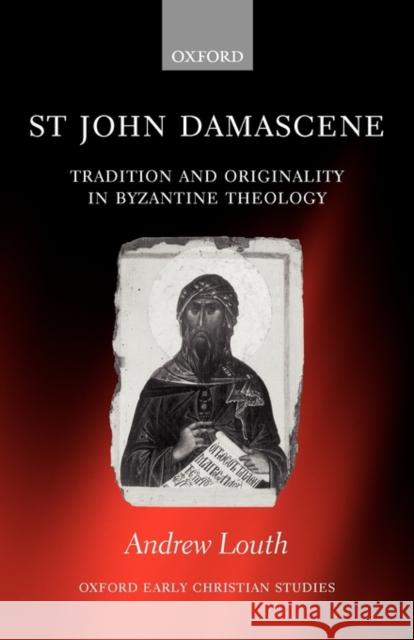
John Damascene, a monk near Jerusalem in the early 700s, never set foot in the Byzantine Empire, yet he had a great influence on Byzantine theology. This book, the first to present an overall account of John's life and work, sets him in the context of the early synods of the Church that took place in the Palestinian monasteries during the first century of Arab rule.
John Damascene, a monk near Jerusalem in the early 700s, never set foot in the Byzantine Empire, yet he had a great influence on Byzantine theology. T...
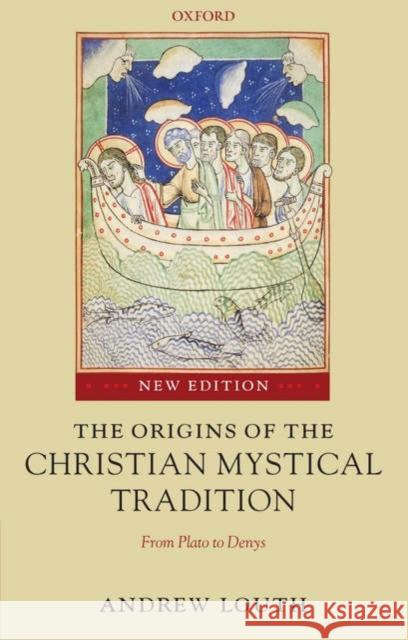
Scholars of the patristic era have paid more attention to the dogmatic tradition in their period than to the development of Christian mystical theology. Andrew Louth aims to redress the balance. Recognizing that the intellectual form of this tradition was decisively influenced by Platonic ideas of the soul's relationship to God, Louth begins with an examination of Plato and Platonism. The discussion of the Fathers which follows shows how the mystical tradition is at the heart of their thought and how the dogmatic tradition both molds and is the reflection of mystical insights and concerns....
Scholars of the patristic era have paid more attention to the dogmatic tradition in their period than to the development of Christian mystical theolog...