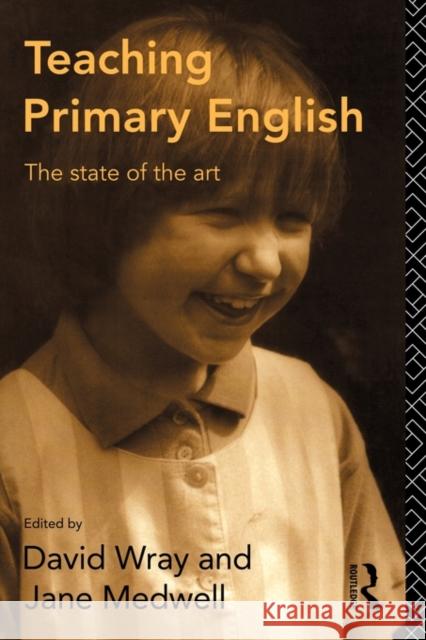
In this collection of specially commissioned essays, teachers and researchers consider both the controversies and the daily realities of teaching primary English. The work combines the latest research with practical suggestions about what it means for the teacher in the classroom. Four sections reflect the organization of the National Curriculum for English: speaking and listening, reading and writing, and a final section on issues which confront the teacher across the English Curriculum. Particular attention is paid to assessment within the three strands of the National Curriculum.
In this collection of specially commissioned essays, teachers and researchers consider both the controversies and the daily realities of teaching prim...
How does children's writing develop in the transition from primary to secondary school?
Young Writers at Transition tracks a group of pupils from the end of Year 6 into the first half of Year 7. It analyses in detail the teaching and uses of writing at this important stage in their education, and uncovers some revealing findings concerning the experiences, perceptions and expectations of pupils, teachers and parents about writing. The authors link their findings to the broader issues of policy and our understanding about how writing is taught and used in transition. This...
How does children's writing develop in the transition from primary to secondary school?
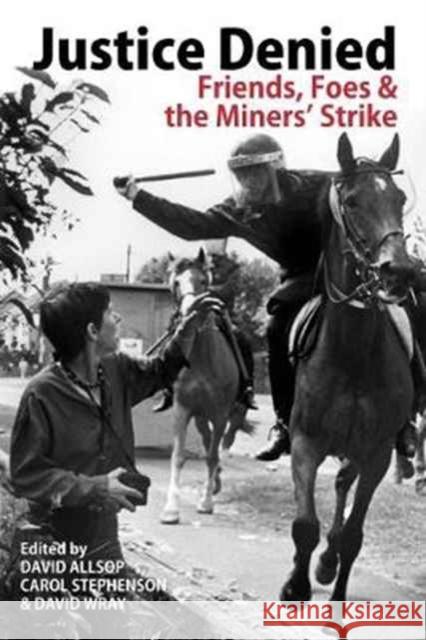
TV portraits of the Miners' strike of 1984/5 stressed the violence of the pickets and responsible policing. This book challenges those images, looks at the impact of the strike on participants, and reflects on ongoing controversies and community pride.
TV portraits of the Miners' strike of 1984/5 stressed the violence of the pickets and responsible policing. This book challenges those images, looks a...