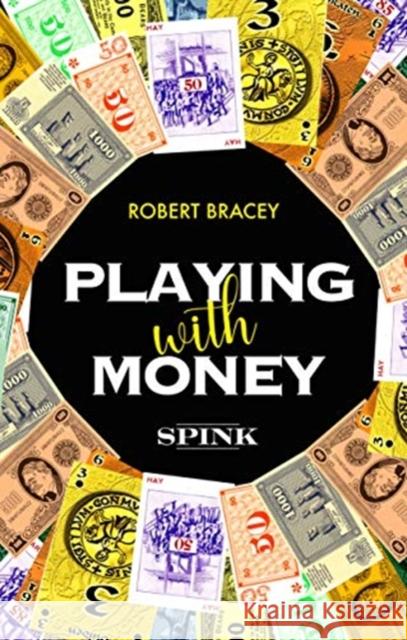
In the early twentieth century there was a revolution in board games. Children's games intended to teach morality were transformed into economic simulations aimed at adults. This book demonstrates how play and games reflect and shape our understanding of money, and explores the history of board games in the twentieth century. Why was a famous psychic so interested in the stock market? How did a feminist campaigner try to undermine capitalism with a game? And why has `German game' become synonymous with a growing number of cafes all across the world dedicated to playing board games? ...
In the early twentieth century there was a revolution in board games. Children's games intended to teach morality were transformed into economic simul...