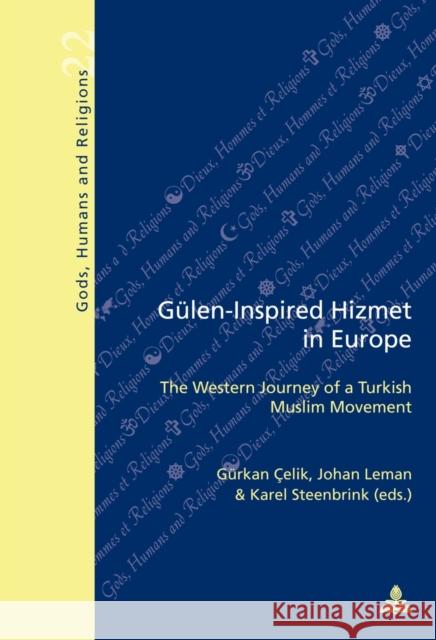
The Hizmet Movement initiated by Fethullah Gulen in Turkey in the 1960s is today active in more than 160 countries. The participants of Hizmet are often less visible among the Muslim minorities in Western societies. They do not build mosques or hold regular prayer meetings like institutional Muslims or Sufi masters, but establish emancipatory schools without religious instruction, cherish networks of business people, publish the newspaper Zaman in various national editions, and run dialogue charities for intercultural and interreligious encounters. Small groups come together in private...
The Hizmet Movement initiated by Fethullah Gulen in Turkey in the 1960s is today active in more than 160 countries. The participants of Hizmet are oft...
The ongoing turbulence in Turkey's domestic and international politics raises a number of crucial questions. What explains the movement toward one-party, and even one-person, rule? What role does Islam play in the ideology and policies of the ruling party and its leader, Recep Tayyip Erdo?an? Is the country's long commitment to secular rule a thing of the past - and if so, with what consequences for Turkish society? What is Turkey's likely international role in the Middle East and beyond? These are among the key issues addressed in this comprehensive analysis of the actors and factors...
The ongoing turbulence in Turkey's domestic and international politics raises a number of crucial questions. What explains the movement toward one-par...