The wives of rulers in early modern Europe did far more than provide heirs for their principalities and adornment for their courts. In this study, Judith Aikin examines the exceptionally well-documented actions of one such woman, Aemilia Juliana of Schwarzburg-Rudolstadt (1637-1706), in order to expand our understanding of the role of ruler s consort in the small principalities characteristic of Germany during this period. Aikin explores a wide range of writings by her subject, including informal letters to another woman, hundreds of devotional song texts, manuscript books both devotional and...
The wives of rulers in early modern Europe did far more than provide heirs for their principalities and adornment for their courts. In this study, Jud...
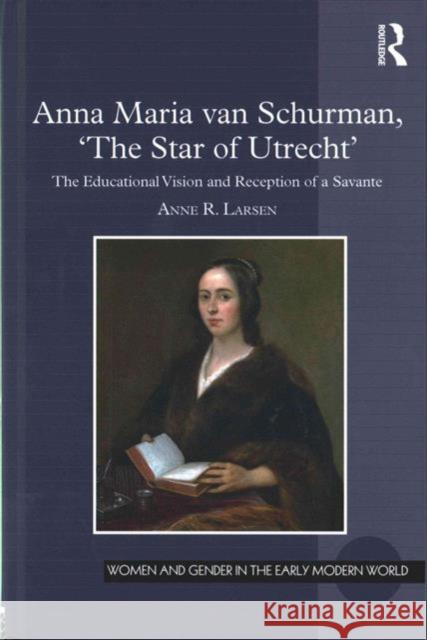
Dutch Golden Age scholar Anna Maria van Schurman was widely regarded throughout the seventeenth century as the most learned woman of her age. This book features her letters in several languages to the intellectual men and women of her time reveals her interests in theology, philosophy, medicine, literature, numismatics, painting, and more.
Dutch Golden Age scholar Anna Maria van Schurman was widely regarded throughout the seventeenth century as the most learned woman of her age. This boo...
Dr Una McIlvenna Professor Allyson M. Poska Professor Abby Zanger
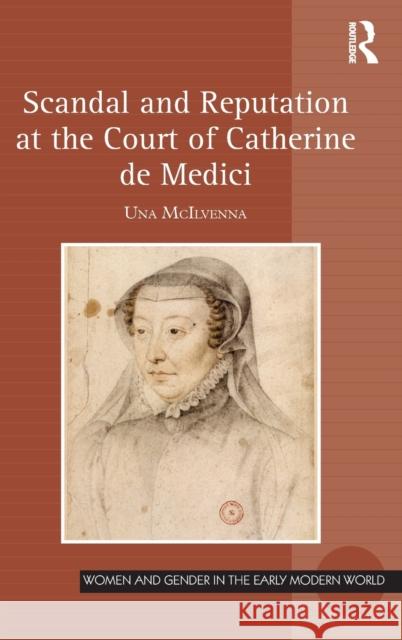
Scandal and Reputation at the Court of Catherine de Medici explores Catherine de Medici's 'flying squadron', the legendary ladies-in-waiting of the sixteenth-century French queen mother who were alleged to have been ordered to seduce politically influential men for their mistress's own Machiavellian purposes. Branded a 'cabal of cuckoldry' by a contemporary critic, these women were involved in scandals that have encouraged a perception, which continues in much academic literature, of the late Valois court as debauched and corrupt.
Rather than trying to establish the guilt or innocence...
Scandal and Reputation at the Court of Catherine de Medici explores Catherine de Medici's 'flying squadron', the legendary ladies-in-waiting of the...
Alison Weber Professor Allyson M. Poska Professor Abby Zanger
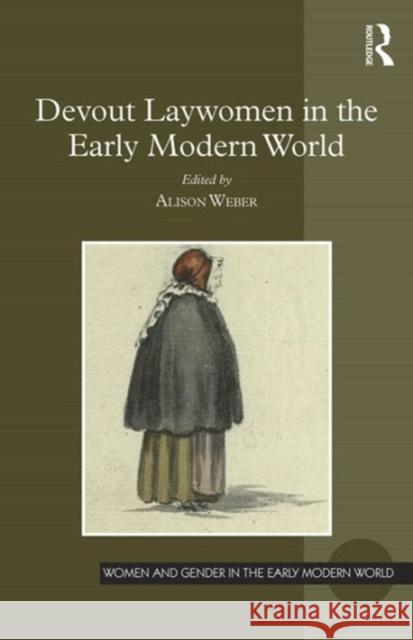
Devout laywomen raise a number of provocative questions about gender and religion in the early modern world. How did some groups or individuals evade the Tridentine legislation that required third order women to take solemn vows and observe active and passive enclosure? How did their attempts to exercise a female apostolate (albeit with varying degrees of success and assertiveness) destabilize hierarchies of class and gender? To the extent that their beliefs and practices diverged from approved doctrine and rituals, what insights can they provide into the tensions between official religion...
Devout laywomen raise a number of provocative questions about gender and religion in the early modern world. How did some groups or individuals evade ...