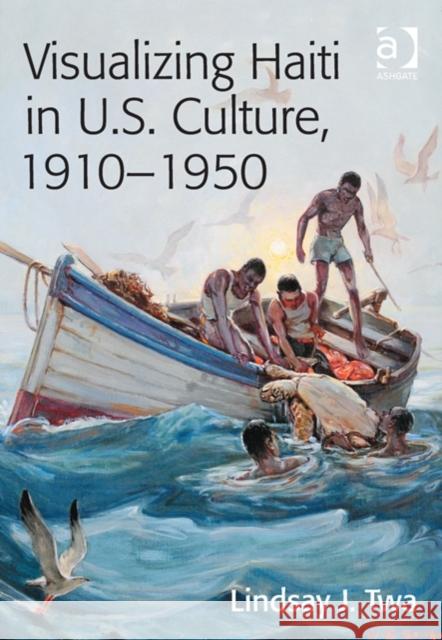
From the late 1910s through the 1950s, particularly, the Caribbean nation of Haiti drew the attention and imaginations of many key U.S. artists, yet curiously, while significant studies have been published on Haiti's history and inter-American exchanges, none analyze visual representations with any depth. The author calls not only on the methodologies of art history, but also on the interdisciplinary eye of visual culture studies, anthropology, literary theory, and tourism studies to examine the fine arts in relation to popular arts, media, social beliefs, and institutional structures. Twa...
From the late 1910s through the 1950s, particularly, the Caribbean nation of Haiti drew the attention and imaginations of many key U.S. artists, yet c...
From the late 1910s through the 1950s, particularly, the Caribbean nation of Haiti drew the attention and imaginations of many key U.S. artists, yet curiously, while significant studies have been published on Haiti's history and inter-American exchanges, none analyze visual representations with any depth. The author calls not only on the methodologies of art history, but also on the interdisciplinary eye of visual culture studies, anthropology, literary theory, and tourism studies to examine the fine arts in relation to popular arts, media, social beliefs, and institutional structures. Twa...
From the late 1910s through the 1950s, particularly, the Caribbean nation of Haiti drew the attention and imaginations of many key U.S. artists, yet c...