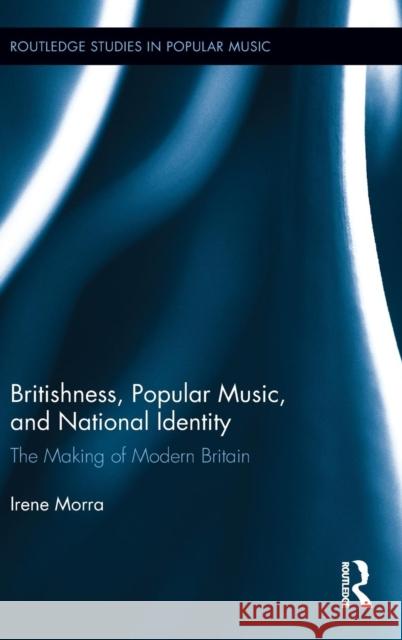
This book offers a major exploration of the social and cultural importance of popular music to contemporary celebrations of Britishness. Rather than providing a history of popular music or an itemization of indigenous musical qualities, it exposes the influential cultural and nationalist rhetoric around popular music and the dissemination of that rhetoric in various forms. Since the 1960s, popular music has surpassed literature to become the dominant signifier of modern British culture and identity. This position has been enforced in popular culture, literature, news and music media,...
This book offers a major exploration of the social and cultural importance of popular music to contemporary celebrations of Britishness. Rather tha...
In the first half of the twentieth century, many writers and artists turned to the art and received example of the Elizabethans as a means of articulating an emphatic (and anti-Victorian) modernity. By the middle of that century, this cultural neo-Elizabethanism had become absorbed within a broader-and considerably more conservative-mainstream discourse of national identity, heritage, and cultural performance. Taking strength from the Coronation of a new young Queen, named Elizabeth, the New Elizabethanism of the 1950s heralded a nation that would now see its "modern," televised monarch...
In the first half of the twentieth century, many writers and artists turned to the art and received example of the Elizabethans as a means of articula...