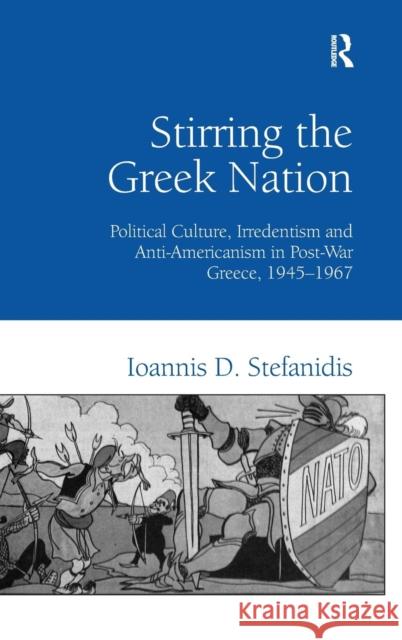
This work examines the background to Greek nationalist politics and its effects on public opinion towards international events and territorial claims, from the end of the Second World War to the collapse of constitutional rule in 1967. It explains how intermittent public mobilisation on various foreign policy issues created a political culture that combined elements of nationalism, religion, race and stereotypes about the national Self and the Other. The book challenges widely-held assumptions that Greek irredentism was all but dead and buried in the aftermath of the Asia Minor catastrophe of...
This work examines the background to Greek nationalist politics and its effects on public opinion towards international events and territorial claims,...
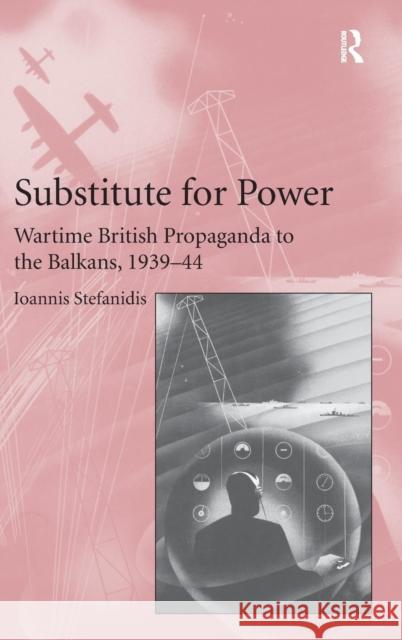
The Second World War was waged across many fronts, economic, political and cultural as well as military. As might be expected in a conflict fuelled by ideology, the war of words and ideas played a central role in the larger conflict. As this book shows, propaganda - be it aimed at a sympathetic audience in enemy controlled lands, or the hostile population itself - was regarded by all sides as a fundamental part of the war effort, and one that received increasing, and increasingly sophisticated, attention. Focussing on the British propaganda effort directed towards the Balkans, the book begins...
The Second World War was waged across many fronts, economic, political and cultural as well as military. As might be expected in a conflict fuelled by...