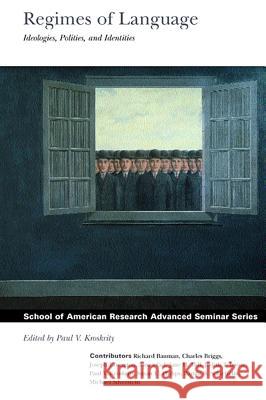
In Regimes of Language, ten leading linguistic anthropologists integrate two often segregated domains: politics (without language) and language (without politics). Their essays contribute to an understanding of the role of language ideologies and discursive practices in state formation, nationalism, and the maintenance of ethnic groups, on the one hand, and in the creation of national, ethnic, and professional identities, on the other. Moving beyond a preoccupation with ideologies of cultural "others," the volume includes reflexive analyses of European language philosophy and historical...
In Regimes of Language, ten leading linguistic anthropologists integrate two often segregated domains: politics (without language) and language (wi...
In A Companion to Giles of Rome, Charles Briggs, Peter Eardley, and seven other leading specialists provide the first synoptic treatment of the thought, works, life, and legacy of Giles of Rome (c. 1243/7-1316), one of medieval Europe's most important and influential scholastic philosophers and theologians. The Giles that emerges from this volume was a subtle and independent thinker, who more than refining and modifying the positions of his teacher Aquinas, also made strikingly original contributions to theology, physics, metaphysics, psychology, ethics, logic, rhetoric, and political...
In A Companion to Giles of Rome, Charles Briggs, Peter Eardley, and seven other leading specialists provide the first synoptic treatment of the...