Uganda has attracted much attention and political visibility for its significant economic recovery after a catastrophic decline. In her groundbreaking book, Aili Mari Tripp provides extensive data and analysis of patterns of political behavior and institutions by focusing on the unique success of indigenous women's organizations. Tripp explores why the women's movement grew so dramatically in such a short time after the National Resistant Movement took over in 1986. Unlike many African countries where organizations and institutions are controlled by a ruling party or regime, the Ugandan...
Uganda has attracted much attention and political visibility for its significant economic recovery after a catastrophic decline. In her groundbreaking...
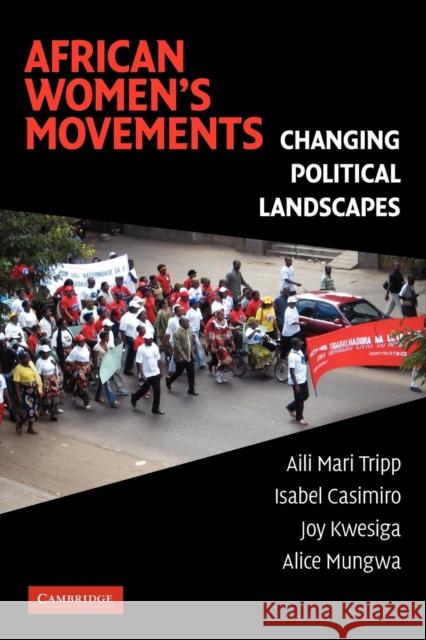
Women burst onto the political scene in Africa after the 1990s, claiming more than one third of the parliamentary seats in countries like Angola, Mozambique, South Africa, Tanzania, Uganda, and Burundi. Women in Rwanda hold the highest percentage of legislative seats in the world. Women s movements lobbied for constitutional reforms and new legislation to expand women s rights. This book examines the convergence of factors behind these dramatic developments, including the emergence of autonomous women s movements, changes in international and regional norms regarding women s rights and...
Women burst onto the political scene in Africa after the 1990s, claiming more than one third of the parliamentary seats in countries like Angola, Moza...