This text illuminates the oral traditions of the Philippines and the convergence of capitalism and the indigenous spirit world. The author examines the social relations, cultural meanings and political struggles surrounding the rise of sugar haciendas on Negros during the late Spanish colonial period, and their subsequent transformation under the aegis of the American colonial state. Drawing on oral history, interviews and a wide array of sources culled from archives in Spain, the United States, the United Kingdom and the Philippines, the author reconstructs the emergence of a sugar-planter...
This text illuminates the oral traditions of the Philippines and the convergence of capitalism and the indigenous spirit world. The author examines th...
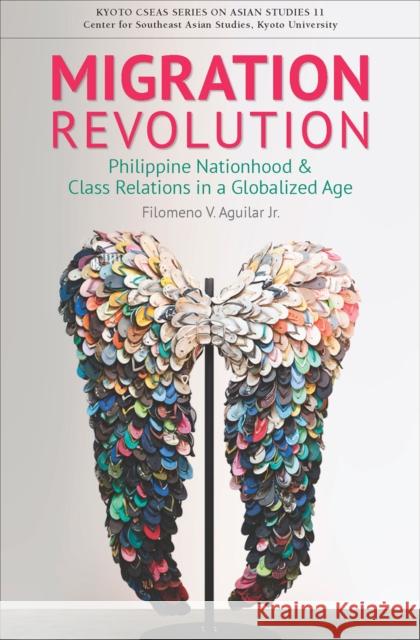
Since the 1960s, overseas migration has become a major factor in the economy of the Philippines. It has also profoundly influenced the sense of nationhood of both migrants and nonmigrants. Migrant workers learned to view their home country as part of a plural world of nations, and they shaped a new sort of Filipino identity while appropriating the modernity of the outside world, where at least for a while they operated as insiders.
The global nomadism of Filipino workers brought about some fundamental reorientations. It revolutionized Philippine society, reignited a sense of nationhood,...
Since the 1960s, overseas migration has become a major factor in the economy of the Philippines. It has also profoundly influenced the sense of nation...