Joseph S. Tulchin Francisco Rojas Aravena Ralph H. Espach
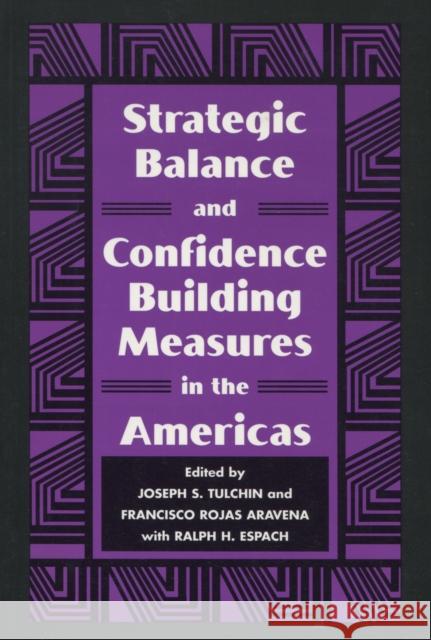
Examining Latin American security in the post-Cold War era, policymakers and analysts from across the Americas assess the security threats and agendas of different subregions and evaluate the potential for wider hemispheric cooperation. With the decline in Cold War tensions and external interference, along with a near-consensus favoring democracy and free market economics, Latin America faces an unusual opportunity to shape its own regional strategic agenda. Traditional threats such as border disputes must be addressed even while growing transnational problems challenge the capacities of...
Examining Latin American security in the post-Cold War era, policymakers and analysts from across the Americas assess the security threats and agendas...
In recent years, the countries of Latin America have moved out from under the shadow of the United States to become active players in the international system. What changed? Why? And why did it take so long for that change to happen? To answer those questions, Joseph S. Tulchin explores the evolving role of Latin American states in world affairs from the early days of independence to the present.
In recent years, the countries of Latin America have moved out from under the shadow of the United States to become active players in the internationa...
In recent years, the countries of Latin America have moved out from under the shadow of the United States to become active players in the international system. What changed? Why? And why did it take so long for that change to happen? To answer those questions, Joseph S. Tulchin explores the evolving role of Latin American states in world affairs from the early days of independence to the present.
In recent years, the countries of Latin America have moved out from under the shadow of the United States to become active players in the internationa...