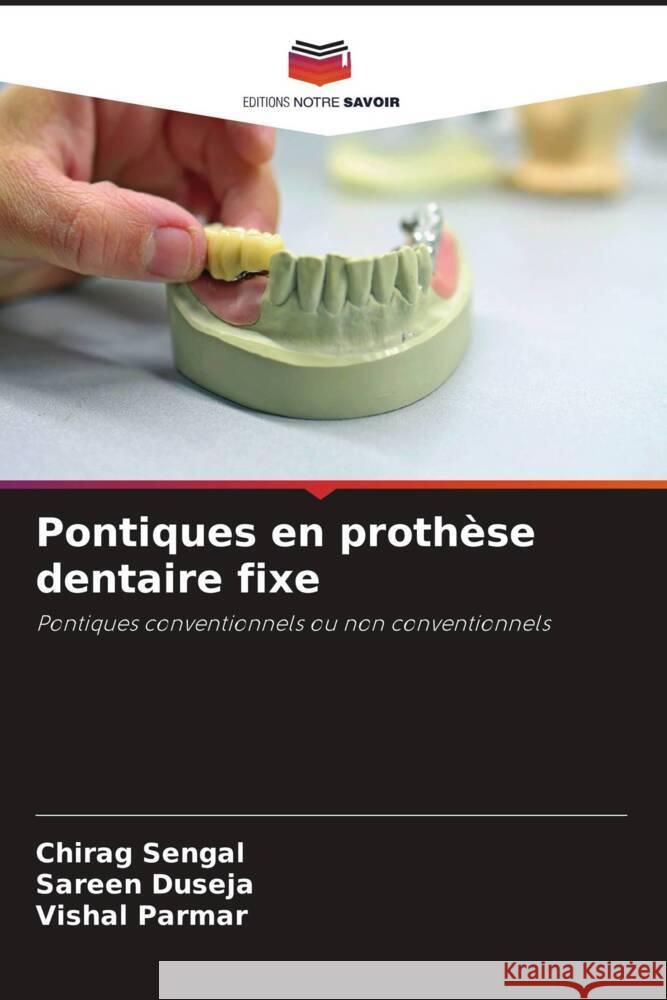
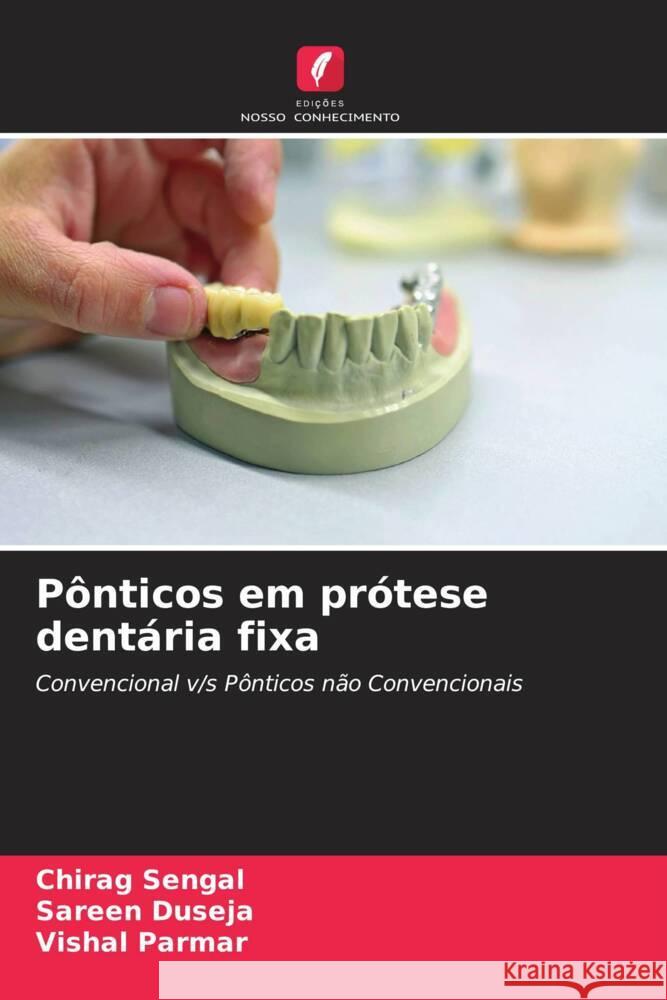
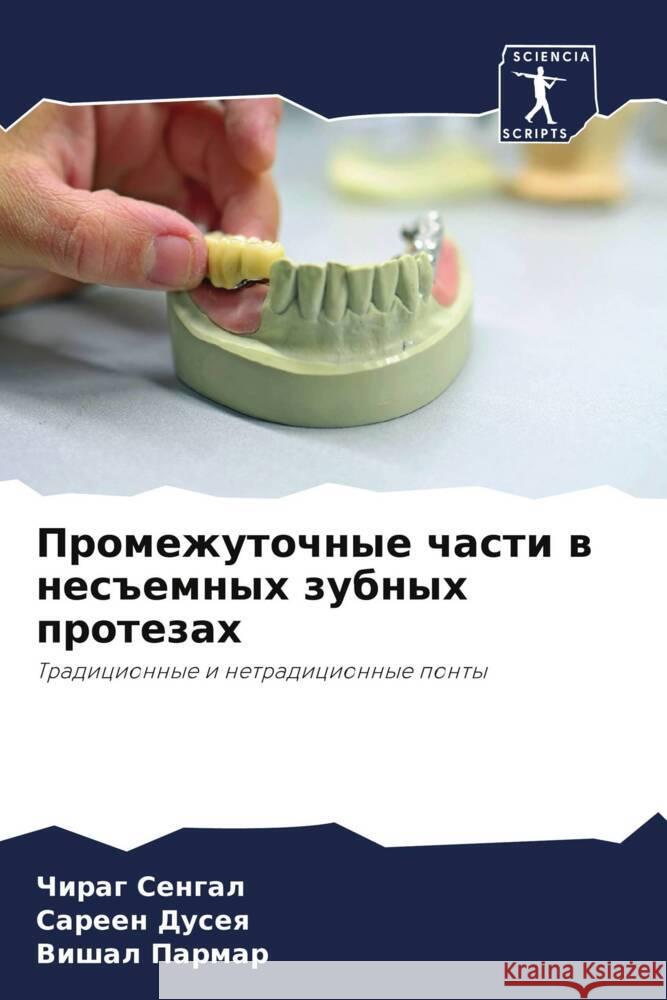
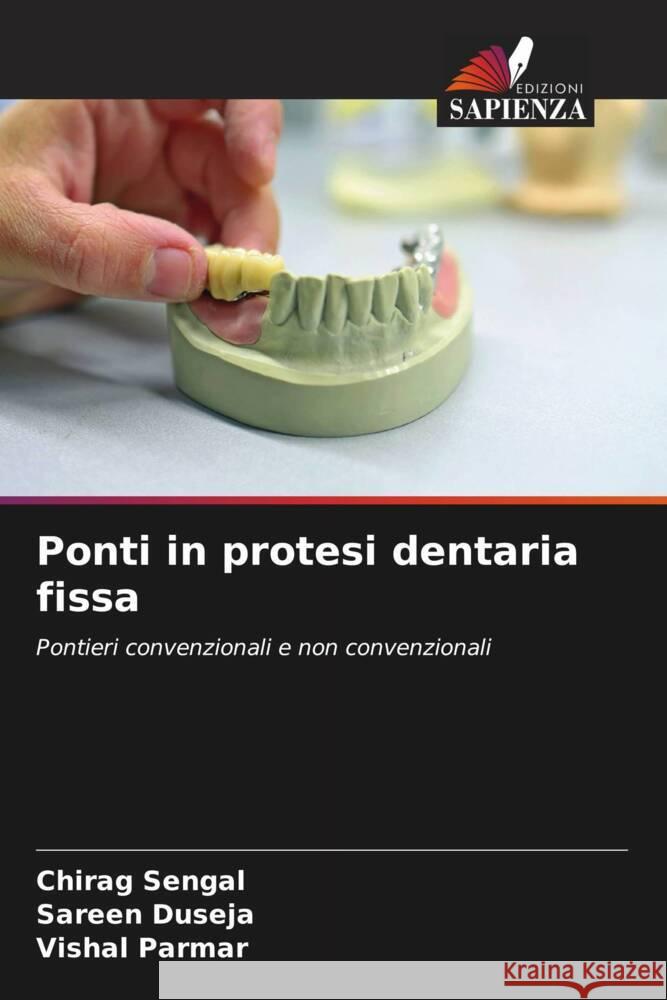
Le pontique est une dent artificielle qui remplace la dent naturelle manquante et rétablit la fonction et l'apparence. Le traitement des zones édentées avec des prothèses partielles fixes constitue un défi particulier pour les praticiens. Les prothèses partielles fixes traditionnelles sont les traitements les plus populaires aujourd'hui en raison de leur facilité d'utilisation et de leurs avantages à long terme. Avec ces restaurations, l'élément intermédiaire doit remplir la tâche complexe de remplir les fonctions de la dent perdue, de remplacer les prothèses, d'obtenir une...
Le pontique est une dent artificielle qui remplace la dent naturelle manquante et rétablit la fonction et l'apparence. Le traitement des zones édent...
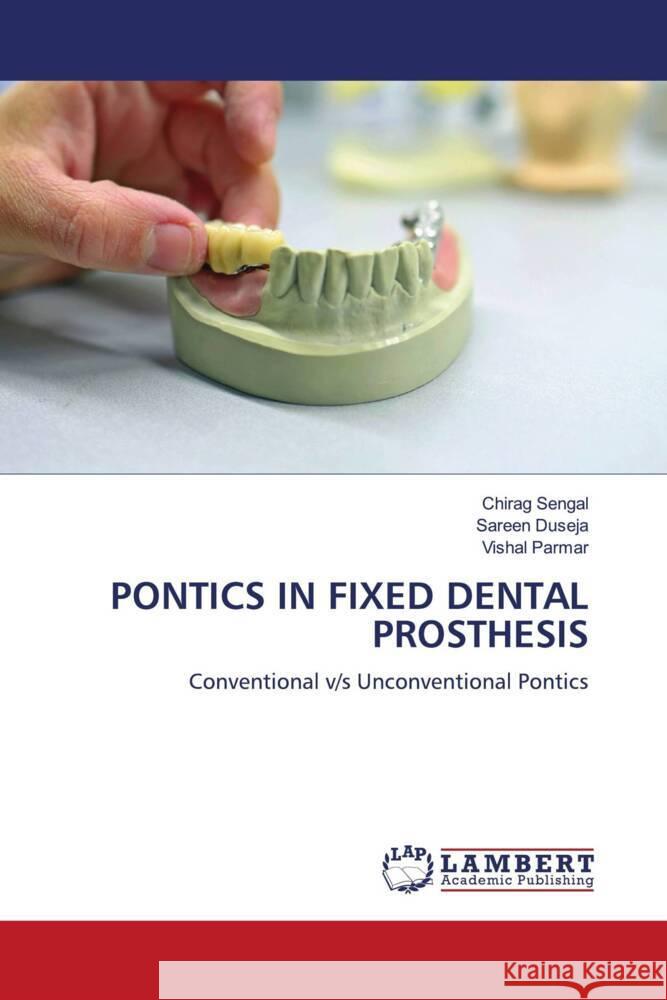
Pontic is a artificial tooth that replaces the missing natural tooth and restores function and appearance. Treatment of edentulous areas with fixed partial dentures is a special challenge for practitioners. Traditional fixed partial dentures are the most popular treatments today due to their ease of use and long-term benefits. With these restorations, the pontic must fulfil the complex task of performing lost tooth functions, replacing dentures, achieving an aesthetic appearance, enabling proper oral hygiene, and preventing tissue irritation. In addition, pontics must meet certain static...
Pontic is a artificial tooth that replaces the missing natural tooth and restores function and appearance. Treatment of edentulous areas with fixed ...
The choice of occlusal indicator in contemporary dentistry involves a balance between traditional methods and advanced technologies. Clinicians must consider factors such as sensitivity, precision, ease of use, cost, and patient comfort when selecting the most appropriate tool for occlusal analysis in a given clinical scenario. Integrating a combination of these tools may offer a comprehensive approach to understanding and managing occlusion in modern dental practice.
The choice of occlusal indicator in contemporary dentistry involves a balance between traditional methods and advanced technologies. Clinicians must c...
Die Wahl des Okklusionsindikators in der modernen Zahnmedizin erfordert ein Gleichgewicht zwischen traditionellen Methoden und modernen Technologien. Bei der Auswahl des am besten geeigneten Instruments für die Okklusionsanalyse in einem bestimmten klinischen Szenario muss der Behandler Faktoren wie Empfindlichkeit, Präzision, Benutzerfreundlichkeit, Kosten und Patientenkomfort berücksichtigen. Eine Kombination dieser Instrumente kann einen umfassenden Ansatz für das Verständnis und das Management der Okklusion in der modernen zahnärztlichen Praxis bieten.
Die Wahl des Okklusionsindikators in der modernen Zahnmedizin erfordert ein Gleichgewicht zwischen traditionellen Methoden und modernen Technologien. ...