Temporomandibular disorders (TMDs) represent a diverse group of musculoskeletal and neuromuscular conditions affecting the temporomandibular joint, the masticatory muscles, and associated orofacial structures. These disorders are among the most common causes of chronic orofacial pain and functional impairment, often presenting with a wide spectrum of clinical manifestations ranging from joint sounds and restricted mandibular movements to debilitating pain and psychosocial distress. The complex anatomy and biomechanics of the temporomandibular joint, combined with the multifactorial nature of...
Temporomandibular disorders (TMDs) represent a diverse group of musculoskeletal and neuromuscular conditions affecting the temporomandibular joint, th...
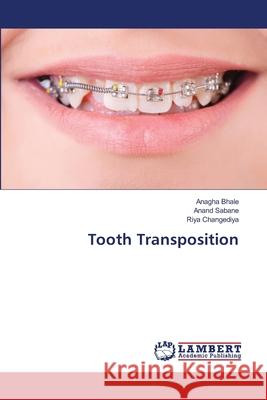
Tooth transposition is a rare dental anomaly with a mean global prevalence of 0.33%, primarily affecting the maxillary canine, occurring more often unilaterally in the maxilla than mandible, with population variations. Its multifactorial etiology includes genetic factors (polygenic inheritance via MSX1/PAX9 genes, familial patterns), physical obstructions (crowding, retained deciduous teeth), guidance theory failures, tooth germ displacement, trauma, and eruption deficiencies, supported by racial differences and bilateral symmetry. Classifications encompass Peck's five maxillary types plus...
Tooth transposition is a rare dental anomaly with a mean global prevalence of 0.33%, primarily affecting the maxillary canine, occurring more often un...
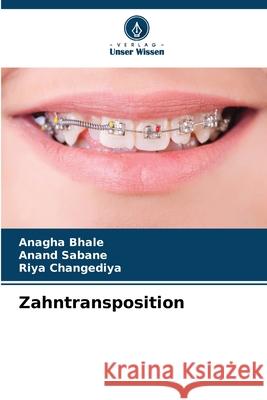
Die Zahntransposition ist eine seltene zahnmedizinische Anomalie mit einer mittleren globalen Prävalenz von 0,33 %, die in erster Linie den Oberkiefer-Eckzahn betrifft und häufiger einseitig im Oberkiefer als im Unterkiefer auftritt, wobei es Populationsunterschiede gibt. Die multifaktorielle Ätiologie umfasst genetische Faktoren (polygene Vererbung über MSX1/PAX9-Gene, familiäre Muster), physische Hindernisse (Engstand, retinierte Milchzähne), Fehler in der Führungstheorie, Zahnkeimverschiebung, Trauma und Eruptionsdefizite, unterstützt durch rassische Unterschiede und bilaterale...
Die Zahntransposition ist eine seltene zahnmedizinische Anomalie mit einer mittleren globalen Prävalenz von 0,33 %, die in erster Linie den Oberkiefe...
Temporomandibuläre Störungen (TMD) stellen eine vielfältige Gruppe von muskuloskelettalen und neuromuskulären Erkrankungen dar, die das Kiefergelenk, die Kaumuskulatur und damit verbundene orofaziale Strukturen betreffen. Diese Erkrankungen gehören zu den häufigsten Ursachen chronischer orofazialer Schmerzen und funktioneller Beeinträchtigungen und zeigen oft ein breites Spektrum klinischer Symptome, die von Gelenkgeräuschen und eingeschränkten Unterkieferbewegungen bis hin zu lähmenden Schmerzen und psychosozialer Belastung reichen. Die komplexe Anatomie und Biomechanik des...
Temporomandibuläre Störungen (TMD) stellen eine vielfältige Gruppe von muskuloskelettalen und neuromuskulären Erkrankungen dar, die das Kiefergele...