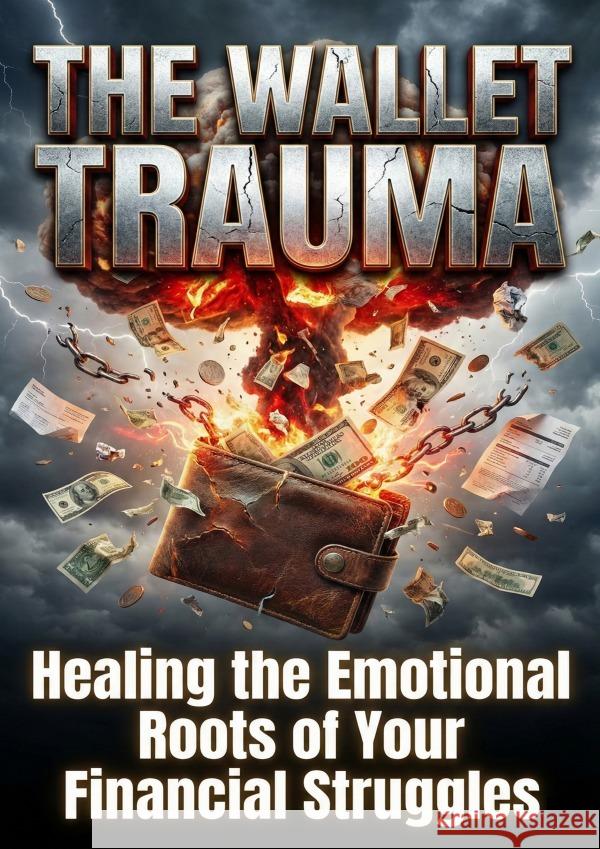
Financial therapist Nathan Reed argues that most money problems are not math problems-they are emotional problems. In "The Wallet Trauma," Reed explores how childhood experiences, family narratives ("we are not the kind of people who have money"), and past financial shocks create a "money script" that dictates our adult behavior.Reed explains why some people compulsively spend to soothe anxiety (retail therapy), while others hoard money out of a fear of scarcity, never enjoying their wealth. He introduces the concept of "Financial PTSD" for those who have lived through bankruptcy or poverty,...
Financial therapist Nathan Reed argues that most money problems are not math problems-they are emotional problems. In "The Wallet Trauma," Reed explor...
In the early decades of video games, the screen was cluttered with information. Health bars, ammo counters, mini-maps, and flashing score multipliers constantly reminded the player that they were sitting on a couch holding a piece of plastic. But as gaming matured from simple arcade challenges into sprawling, narrative-driven epics, developers realized that traditional Heads-Up Displays (HUDs) were destroying the very immersion they were trying to build. The holy grail of game design became making the interface disappear entirely.This fascinating deep-dive into the evolution of gaming...
In the early decades of video games, the screen was cluttered with information. Health bars, ammo counters, mini-maps, and flashing score multipliers ...