Krankenhausinfektionen (HAIs) sind Infektionen, die sich Patienten während ihres Aufenthalts in einer Gesundheitseinrichtung zuziehen und in der Regel 48 Stunden oder später nach der Aufnahme ins Krankenhaus auftreten. Sie können verschiedene Ursachen haben, beispielsweise medizinische Geräte, Operationen und die Übertragung zwischen Patienten und Gesundheitspersonal.Krankenhausinfektionen, auch als nosokomiale Infektionen oder nosokomiale Infektionen bezeichnet, sind Infektionen, die bei Patienten während ihrer Behandlung in einer Gesundheitseinrichtung auftreten. Sie sind bei der...
Krankenhausinfektionen (HAIs) sind Infektionen, die sich Patienten während ihres Aufenthalts in einer Gesundheitseinrichtung zuziehen und in der Rege...
Les infections nosocomiales (IN) sont des infections contractées par les patients pendant leur séjour dans un établissement de santé, généralement 48 heures ou plus après leur admission à l'hôpital. Elles peuvent avoir différentes origines, telles que les dispositifs médicaux, les interventions chirurgicales et la transmission entre les patients et les professionnels de santé.Les infections nosocomiales, également appelées infections associées aux soins de santé ou infections nosocomiales, sont des infections qui surviennent chez des patients pendant leur traitement dans un...
Les infections nosocomiales (IN) sont des infections contractées par les patients pendant leur séjour dans un établissement de santé, généraleme...
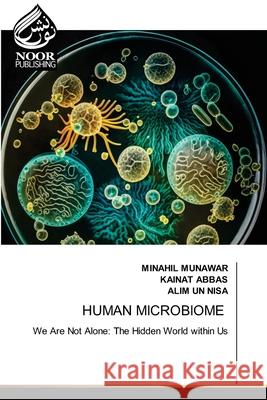
The human microbiome is the sum total of all microorganisms (fungi, viruses, bacteria, and other microbes) that inhabit and reside on the human body. These microorganisms mostly live in places such as the skin, gut, mouth, and other body systems. The human gut microbiome, specifically, harbors trillions of organisms and plays vital functions in the following terms:Digestion and metabolism, immune system development and function, protection against pathogens production of essential vitamins and compounds Influence on mental health through the gut-brain axis.
The human microbiome is the sum total of all microorganisms (fungi, viruses, bacteria, and other microbes) that inhabit and reside on the human body. ...
Hospital-acquired infections (HAIs) are infections contracted by patients while in a healthcare facility, usually occurring 48 hours or more after hospital admission. They can be caused by different sources such as medical devices, surgeries, and transfer between patients and healthcare providers. Hospital-acquired infections, referred to as healthcare-associated infections or nosocomial infections, are infections that occur in patients while being treated in a healthcare environment. They are not incubating or present during admission and will usually appear 48 hours or more after having a...
Hospital-acquired infections (HAIs) are infections contracted by patients while in a healthcare facility, usually occurring 48 hours or more after hos...
A disease is a deviation from a baseline of health that hinders an organism's structure or functioning, particularly when no external force has been inflicted. In regard to people, diseases can affect their body physically, mentally, or emotionally. They disrupt normal homeostatic processes and may vary in severity. Infections, genetic anomalies, certain diseases, environmental influences, poor dietary choices, and inadequate lifestyle choices can all contribute to diseases.
A disease is a deviation from a baseline of health that hinders an organism's structure or functioning, particularly when no external force has been i...
Medical microbiology is a branch of microbiology concerned with the study of microorganisms that cause diseases in humans, including bacteriology, virology, mycology, and parasitology. It is concerned with the biology of the pathogenic microbes, methods and mechanisms of infections and of the immune response by the host, diagnosis, treatment methods, and methods for disease prevention.
Medical microbiology is a branch of microbiology concerned with the study of microorganisms that cause diseases in humans, including bacteriology, vir...