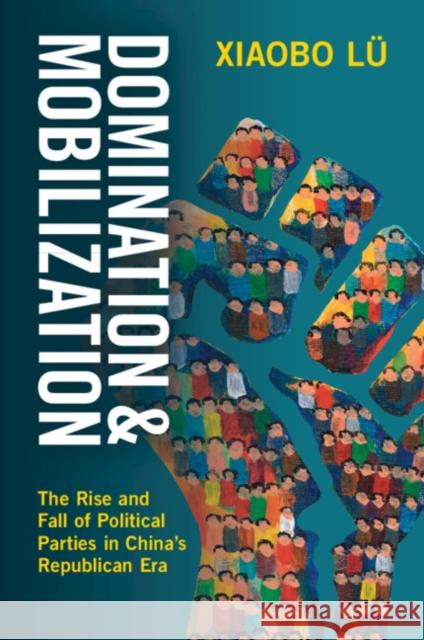
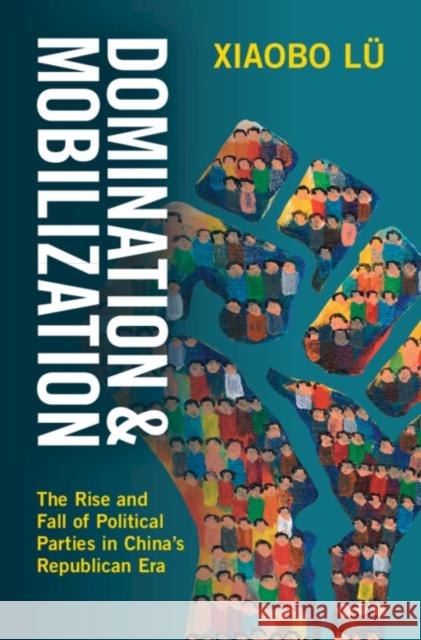
Examining the miraculous rise of the Chinese Communist Party (CCP) and the surprising downfall of the Kuomintang (KMT) in the early twentieth century, Xiaobo Lü reveals that domination and mobilization are key for authoritarian parties to seize state power, challenging the prevailing wisdom on power-sharing and emphasizing the importance of dominant party leaders for organizational strength and resource mobilization. Lü convincingly argues that the CCP's mass mobilization infrastructure, initially seen as a disadvantage before the Sino-Japanese War, became a powerful asset during the war...
Examining the miraculous rise of the Chinese Communist Party (CCP) and the surprising downfall of the Kuomintang (KMT) in the early twentieth century,...
Examining the miraculous rise of the Chinese Communist Party (CCP) and the surprising downfall of the Kuomintang (KMT) in the early twentieth century, Xiaobo Lü reveals that domination and mobilization are key for authoritarian parties to seize state power, challenging the prevailing wisdom on power-sharing and emphasizing the importance of dominant party leaders for organizational strength and resource mobilization. Lü convincingly argues that the CCP's mass mobilization infrastructure, initially seen as a disadvantage before the Sino-Japanese War, became a powerful asset during the war...
Examining the miraculous rise of the Chinese Communist Party (CCP) and the surprising downfall of the Kuomintang (KMT) in the early twentieth century,...