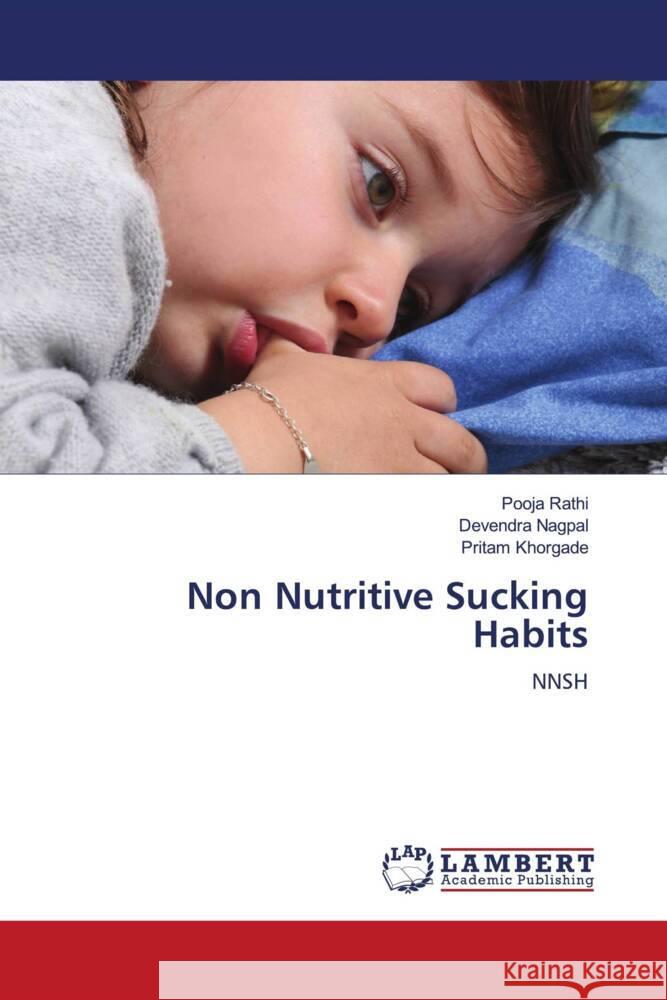
Non-nutritive sucking habit (NNSH) refers to the act of sucking on objects like fingers, thumbs, or pacifiers that isn't related to feeding. It's a common comfort-seeking behavior in infants and young children, providing reassurance or helping them calm down. While it's normal in early childhood, prolonged sucking beyond the age of 3-4 can lead to dental issues like misaligned teeth, speech problems, and changes to the palate. Addressing the habit early through positive reinforcement, behavioral techniques, and, if needed, dental interventions can help prevent long-term complications.
Non-nutritive sucking habit (NNSH) refers to the act of sucking on objects like fingers, thumbs, or pacifiers that isn't related to feeding. It's a co...
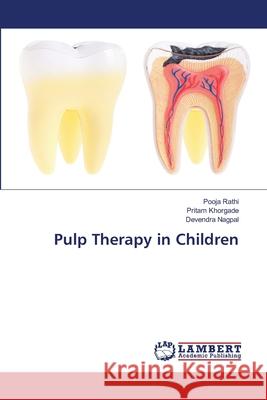
Pulp therapy is a dental procedure-commonly used in children's primary (baby) teeth-for treating and preserving the tooth's inner pulp tissue that has become inflamed or infected due to decay or trauma. It encompasses two main approaches: pulpotomy, which removes only the diseased pulp from the tooth's crown while preserving healthy tissue in the roots, and pulpectomy, which involves complete removal of pulp from both the crown and root when the infection is extensive. Beyond pulpotomy and pulpectomy, several conservative alternatives aimed at preserving pulp vitality: indirect pulp capping,...
Pulp therapy is a dental procedure-commonly used in children's primary (baby) teeth-for treating and preserving the tooth's inner pulp tissue that has...
Nicht-nutritives Saugen (NNSH) bezieht sich auf das Saugen an Objekten wie Fingern, Daumen oder Schnullern, das nicht mit der Nahrungsaufnahme zusammenhängt. Bei Säuglingen und Kleinkindern ist dies ein häufiges Verhalten, um Trost zu finden, sich zu beruhigen oder um das Kind zu beruhigen. Während es in der frühen Kindheit normal ist, kann längeres Saugen im Alter von 3-4 Jahren zu Zahnproblemen wie Zahnfehlstellungen, Sprachproblemen und Veränderungen des Gaumens führen. Eine frühzeitige Behandlung der Angewohnheit durch positive Bestärkung, Verhaltenstechniken und, falls...
Nicht-nutritives Saugen (NNSH) bezieht sich auf das Saugen an Objekten wie Fingern, Daumen oder Schnullern, das nicht mit der Nahrungsaufnahme zusamme...
La succion non nutritive (SNN) désigne le fait de sucer des objets tels que les doigts, les pouces ou les tétines, sans que cela soit lié à l'alimentation. Il s'agit d'un comportement courant de recherche de réconfort chez les nourrissons et les jeunes enfants, qui les rassure ou les aide à se calmer. Si elle est normale dans la petite enfance, la succion prolongée au-delà de l'âge de 3-4 ans peut entraîner des problèmes dentaires tels qu'un mauvais alignement des dents, des troubles de l'élocution et des modifications du palais. En s'attaquant à cette habitude dès le plus jeune...
La succion non nutritive (SNN) désigne le fait de sucer des objets tels que les doigts, les pouces ou les tétines, sans que cela soit lié à l'alim...