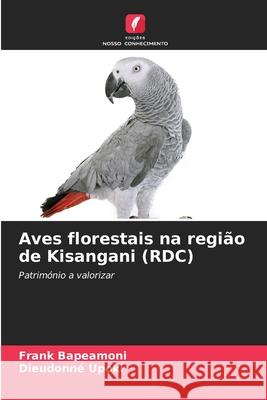
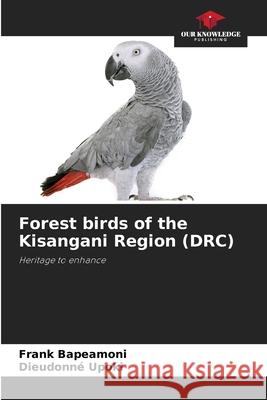
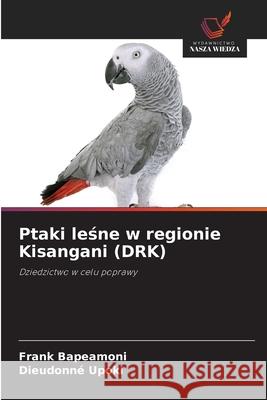
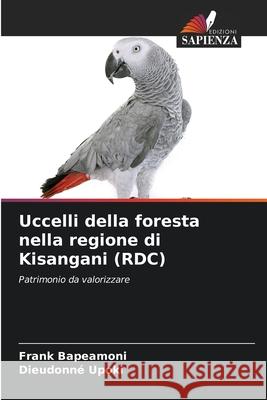
The Kisangani region is naturally located in a forested area. As is the case for other African forest regions, it is undergoing several types of anthropogenic modification (slash-and-burn agriculture, mining, timber exploitation). These anthropogenic activities are creating concern about the conservation of the original natural forest resources. With a view to contributing to the knowledge and conservation of biological diversity, including that of birds, the Faculty of Science at the University of Kisangani has been researching, among other things, the avifauna of the different types of...
The Kisangani region is naturally located in a forested area. As is the case for other African forest regions, it is undergoing several types of anthr...
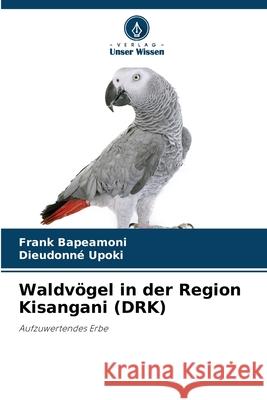
Die Region Kisangani liegt natürlich in einem Waldgebiet. Wie in anderen afrikanischen Waldgebieten auch, gibt es dort verschiedene Arten von anthropogenen Veränderungen (Brandrodungslandwirtschaft, Bergbau, Holzeinschlag). Diese anthropogenen Aktivitäten geben Anlass zur Sorge um die Erhaltung der ursprünglichen natürlichen Waldressourcen. Da die naturwissenschaftliche Fakultät der Universität Kisangani zur Kenntnis und Erhaltung der biologischen Vielfalt, einschließlich der Vogelwelt, beitragen möchte, erforscht sie seit 1976 unter anderem die Avifauna der verschiedenen...
Die Region Kisangani liegt natürlich in einem Waldgebiet. Wie in anderen afrikanischen Waldgebieten auch, gibt es dort verschiedene Arten von anthrop...