Das humane Immundefizienzvirus (HIV) beeinträchtigt das Immunsystem nach und nach, was zum Ausbruch des erworbenen Immundefizienzsyndroms (AIDS) führt, bei dem der Körper für eine Reihe von opportunistischen Infektionen anfällig wird. Diese Infektionen sind für hohe Morbiditäts- und Mortalitätsraten bei HIV+-Patienten verantwortlich, insbesondere in Regionen mit begrenztem Zugang zu antiretroviralen Therapien. Die Übersicht behandelt die wichtigsten bakteriellen, viralen, pilzlichen und parasitären Infektionen, einschließlich Tuberkulose, Pneumozystose, Kryptokokkose und...
Das humane Immundefizienzvirus (HIV) beeinträchtigt das Immunsystem nach und nach, was zum Ausbruch des erworbenen Immundefizienzsyndroms (AIDS) füh...
Le virus de l'immunodéficience humaine (VIH) compromet progressivement le système immunitaire, entraînant l'apparition du syndrome d'immunodéficience acquise (SIDA), à partir duquel l'organisme devient vulnérable à une série d'infections opportunistes. Ces infections sont responsables de taux élevés de morbidité et de mortalité chez les patients séropositifs, en particulier dans les régions où l'accès aux thérapies antirétrovirales est limité. L'étude couvre les principales infections bactériennes, virales, fongiques et parasitaires, y compris la tuberculose, la...
Le virus de l'immunodéficience humaine (VIH) compromet progressivement le système immunitaire, entraînant l'apparition du syndrome d'immunodéficie...
The human immunodeficiency virus (HIV) progressively compromises the immune system, leading to the onset of acquired immunodeficiency syndrome (AIDS), at which point the body becomes vulnerable to a series of opportunistic infections. These infections are responsible for high morbidity and mortality rates among HIV+ patients, especially in regions with limited access to antiretroviral therapies. The review covers the main bacterial, viral, fungal and parasitic infections, including tuberculosis, pneumocystosis, cryptococcosis and toxoplasmosis, discussing their diagnosis, treatment and...
The human immunodeficiency virus (HIV) progressively compromises the immune system, leading to the onset of acquired immunodeficiency syndrome (AIDS),...
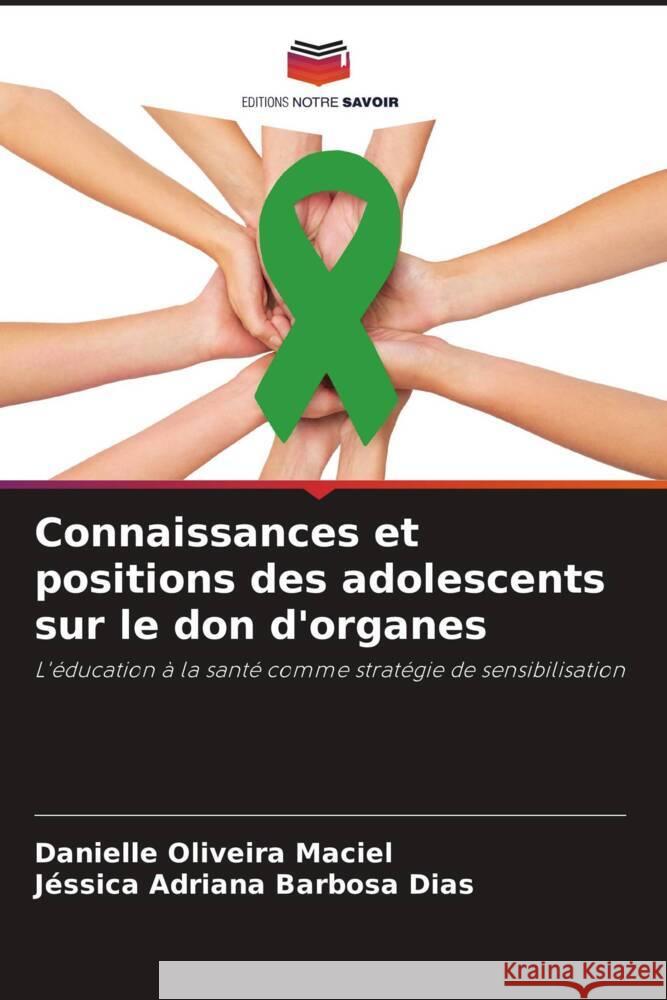
The information provided by the mass media has not been enough to change behavior. In the meantime, educational intervention provides the subjects involved with access to information, exchanges of experiences and clarification of experiences that are commonly fraught with conflicts, fears or difficulties that could consequently interfere with their desire to be or not to be an organ donor for transplants. Health education is therefore a powerful tool for sensitizing adolescents to the decision to become a donor.
The information provided by the mass media has not been enough to change behavior. In the meantime, educational intervention provides the subjects inv...
Die durch die Massenmedien vermittelten Informationen reichen nicht aus, um eine Verhaltensänderung zu bewirken. In der Zwischenzeit ermöglicht die Aufklärung den betroffenen Personen den Zugang zu Informationen, den Erfahrungsaustausch und die Klärung von Erfahrungen, die häufig mit Konflikten, Ängsten oder Schwierigkeiten behaftet sind, die ihren Wunsch, Organspender für Transplantationen zu sein oder nicht zu sein, beeinträchtigen könnten. Die Gesundheitserziehung ist daher ein wirksames Instrument zur Sensibilisierung der Jugendlichen für die Entscheidung, Spender zu werden.
Die durch die Massenmedien vermittelten Informationen reichen nicht aus, um eine Verhaltensänderung zu bewirken. In der Zwischenzeit ermöglicht die ...
L'information fournie par les médias n'a pas suffi à modifier les comportements. Entre-temps, l'intervention éducative permet aux sujets concernés d'accéder à l'information, d'échanger des expériences et de clarifier des expériences qui sont souvent empreintes de conflits, de craintes ou de difficultés qui pourraient par conséquent interférer avec leur désir d'être ou de ne pas être donneur d'organes en vue d'une transplantation. L'éducation à la santé est donc un outil puissant pour sensibiliser les adolescents à la décision de devenir donneur.
L'information fournie par les médias n'a pas suffi à modifier les comportements. Entre-temps, l'intervention éducative permet aux sujets concernés...