Eines der wichtigsten Ziele der endodontischen Therapie ist die Obturation des aufbereiteten Wurzelkanalsystems mit einem inerten, formstabilen und biologisch verträglichen Material. Guttapercha gilt allgemein als "Goldstandard" unter den Obturationsmaterialien, haftet jedoch nicht an der Zahnsubstanz. Wurzelkanalsealer hingegen füllen den Zwischenraum zwischen dem Kernmaterial und der Dentinwand aus. Ein idealer endodontischer Versiegler sollte Folgendes bieten: eine ausgezeichnete Abdichtung nach dem Aushärten, Dimensionsstabilität, eine langsame Aushärtezeit, um eine ausreichende...
Eines der wichtigsten Ziele der endodontischen Therapie ist die Obturation des aufbereiteten Wurzelkanalsystems mit einem inerten, formstabilen und bi...
L'un des objectifs importants de la thérapie endodontique est l'obturation du système canalaire préparé avec un matériau inerte, dimensionnellement stable et biologiquement compatible. La gutta-percha est universellement acceptée comme le "Gold standard" des matériaux d'obturation, mais elle ne présente aucune adhésivité à la structure de la dent. Le scellement du canal radiculaire, quant à lui, remplit l'espace intermédiaire entre le matériau de base et la paroi de la dentine. Un scellant endodontique idéal doit présenter les caractéristiques suivantes : une excellente...
L'un des objectifs importants de la thérapie endodontique est l'obturation du système canalaire préparé avec un matériau inerte, dimensionnelleme...
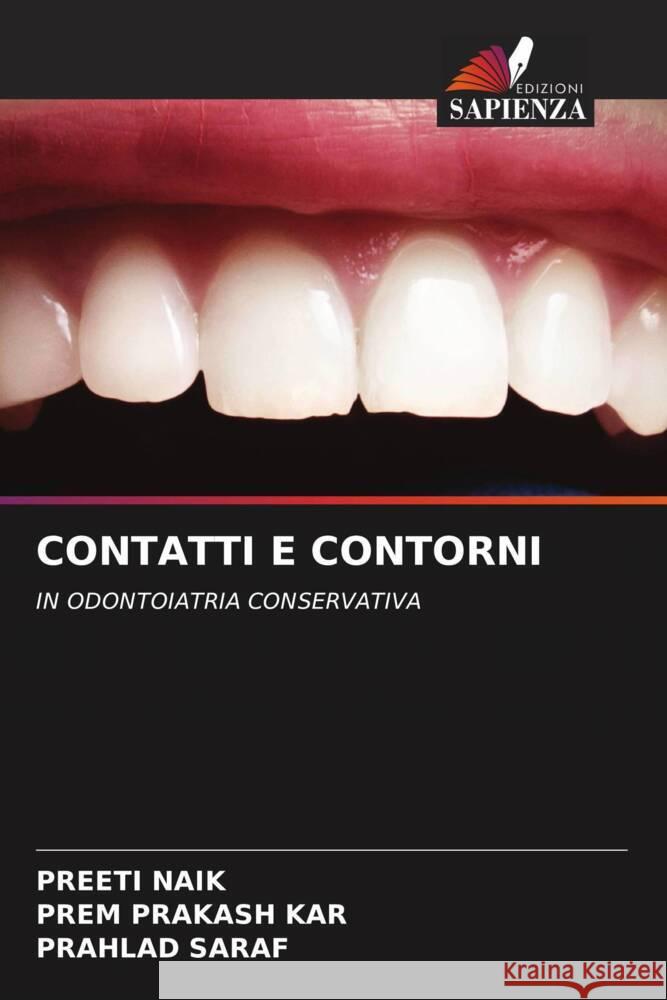
Human teeth are complex anatomical units consisting of four types of tissue each with its own structure and properties. Every tooth in human dentition has its own anatomic contour and specific relationship with its supporting structure, neighbouring and opposing teeth. The form of a tooth and the contour/contact relationships with adjacent and opposing teeth are major determinants of function in mastication, aesthetics, speech, and protection. The morphology of the teeth, the relationships of tooth form to the form of the supporting structures, including the gingiva, must be considered in...
Human teeth are complex anatomical units consisting of four types of tissue each with its own structure and properties. Every tooth in human dentition...
Les dents humaines sont des unités anatomiques complexes composées de quatre types de tissus, chacun ayant sa propre structure et ses propres propriétés. Chaque dent de la dentition humaine a son propre contour anatomique et une relation spécifique avec sa structure de soutien, les dents voisines et opposées. La forme d'une dent et les relations de contour/contact avec les dents voisines et opposées sont des déterminants majeurs de la fonction de mastication, de l'esthétique, de la parole et de la protection. La morphologie des dents, les relations entre la forme de la dent et la...
Les dents humaines sont des unités anatomiques complexes composées de quatre types de tissus, chacun ayant sa propre structure et ses propres propri...
Die menschlichen Zähne sind komplexe anatomische Einheiten, die aus vier Gewebetypen mit jeweils eigener Struktur und eigenen Eigenschaften bestehen. Jeder Zahn im menschlichen Gebiss hat seine eigene anatomische Kontur und eine spezifische Beziehung zu seiner Stützstruktur, den benachbarten und gegenüberliegenden Zähnen. Die Form eines Zahns und die Kontur/Kontaktbeziehungen zu den benachbarten und gegenüberliegenden Zähnen sind wichtige Determinanten der Funktion beim Kauen, der Ästhetik, der Sprache und des Schutzes. Die Morphologie der Zähne, die Beziehungen der Zahnform zur Form...
Die menschlichen Zähne sind komplexe anatomische Einheiten, die aus vier Gewebetypen mit jeweils eigener Struktur und eigenen Eigenschaften bestehen....