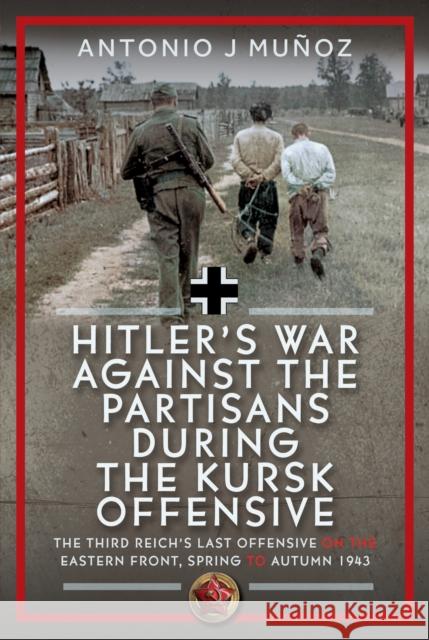
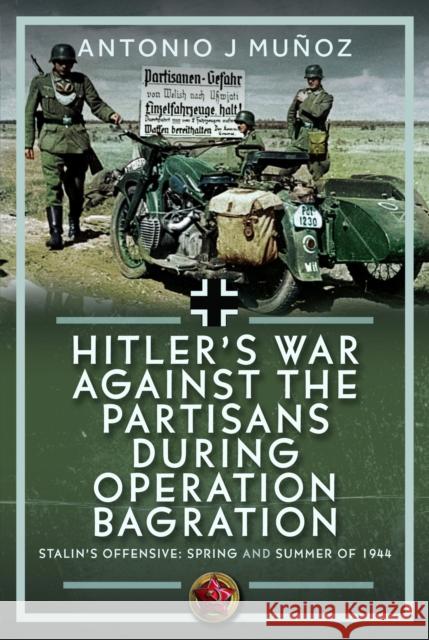
By the summer of 1943, the Soviet partisan forces had grown from small, disorganized groups into a formidable fighting force. Hitler, still holding some advantages, hoped to crush a Red Army salient near Kursk and shorten the front lines with a localized offensive. However, the Soviets anticipated the attack and built extensive defense lines to thwart it, employing large numbers of partisans to disrupt German preparations. The critical period of 1943 saw intense fighting behind German lines, particularly during the "Battle for the Rails" in July and August. Stalin's partisans worked...
By the summer of 1943, the Soviet partisan forces had grown from small, disorganized groups into a formidable fighting force. Hitler, still holding so...
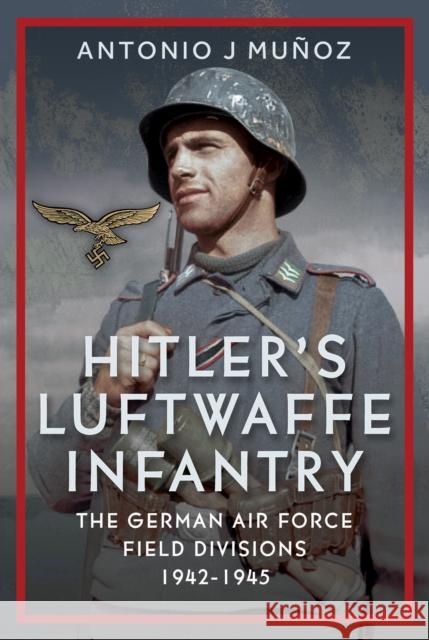
By spring 1942, Hitler’s forces on the Eastern Front were suffering heavy losses. To replace these casualties, the Army requested the transfer of 20,000 men from the Kriegsmarine and 200,000 airmen from the Luftwaffe to be retrained as infantry. Reichsmarschall Hermann Göring, head of the Luftwaffe, vehemently opposed the plan, fearing it would diminish his political power after several Luftwaffe failures. He proposed instead that the Luftwaffe raise and equip these 200,000 men, arguing their Nazi spirit would benefit the war effort. Hitler, prioritizing political loyalty over military...
By spring 1942, Hitler’s forces on the Eastern Front were suffering heavy losses. To replace these casualties, the Army requested the transfer of 20...