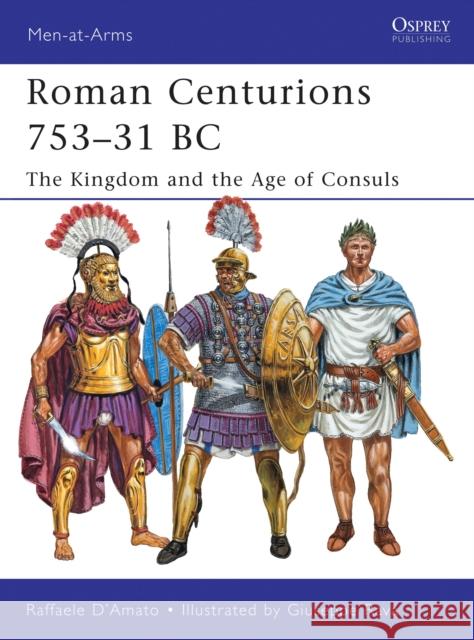
A perennially popular topic the ancient world continues to yield incredibly rich archaeological finds. Based on years of detailed research, Dr Raffaele D'Amato now presents a new history on the dress and equipment of Roman Centurions from the Roman kingdom to the height of the Republic. In addition, thanks to his detailed research amongst Roman gravestones, the book also includes several reconstructions of actual named individuals and two lavish scenes showing combat between two Centurions and a Triumphal procession.
A perennially popular topic the ancient world continues to yield incredibly rich archaeological finds. Based on years of detailed research, Dr Raffael...
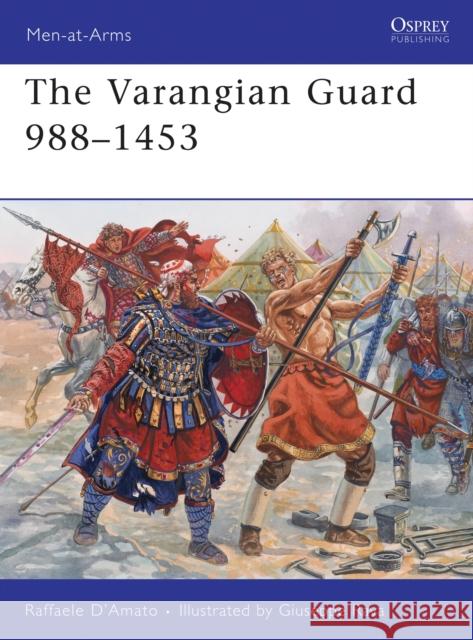
The Varangian Guards were Viking mercenaries who operated far beyond their native shores as an elite force within the Byzantine Armies. Descendants from a legendary line of warriors, the Varangian Guard was formed after a group of Viking mercenaries made a major contribution to the Byzantine Emperor Basil II's victory over rebel forces in 988 AD. These 5,000 men were then retained as Basil's personal guard and would provide loyal service to many successive occupants of the imperial throne.
Commonly referred to as 'foreigners' (Etaireia), they were nonetheless absorbed into a new...
The Varangian Guards were Viking mercenaries who operated far beyond their native shores as an elite force within the Byzantine Armies. Descendants...
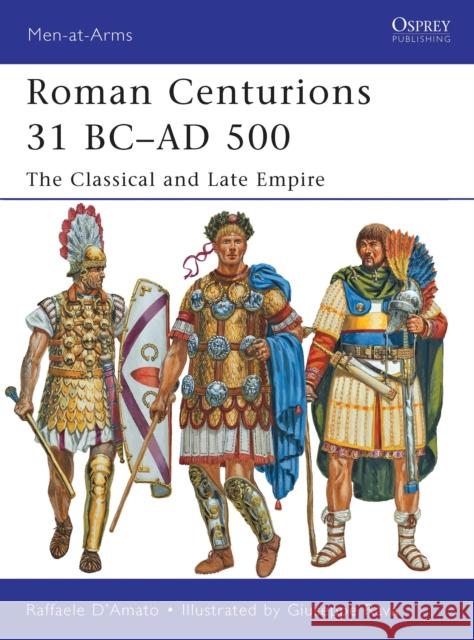
In the years between 31 BC and AD 500 the Romans carved out a mighty empire stretching from Britain to the deserts of North Africa. The men who spearheaded this expansion were the centurions, the tough, professional warriors who led from the front, exerted savage discipline and provided a role model for the legionaries under their command.
This book, the second volume of a two-part study, reveals the appearance, weaponry, role and impact of these legendary soldiers during the five centuries that saw the Roman Empire reach its greatest geographical extent under Trajan and Hadrian,...
In the years between 31 BC and AD 500 the Romans carved out a mighty empire stretching from Britain to the deserts of North Africa. The men who spe...
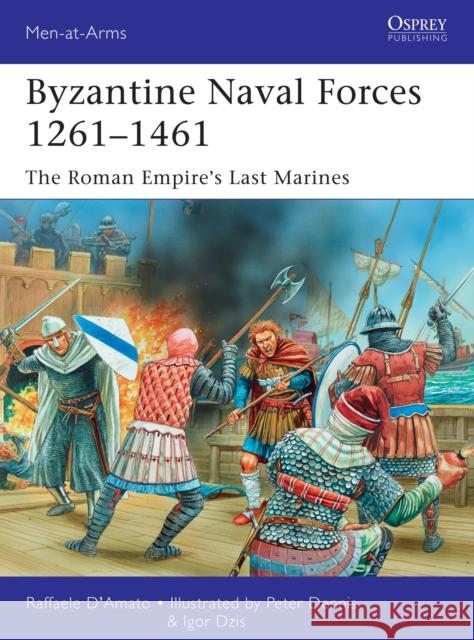
After the recapture of Constantinople, Emperor Michael VIII Palaiologos was determined to bring glory back to the Byzantine Empire. To achieve this, he established an Imperial Fleet and raised new regiments of elite marine troops. This work provides a comprehensive, illustrated guide to the unit history and appearance of these men, who were at the cutting edge of the last great height of Byzantine naval power. They won victory after victory in campaigns throughout the 1260s-70s, and though successive periods of decline and partial resurrection followed, these marine units survived until the...
After the recapture of Constantinople, Emperor Michael VIII Palaiologos was determined to bring glory back to the Byzantine Empire. To achieve this, h...
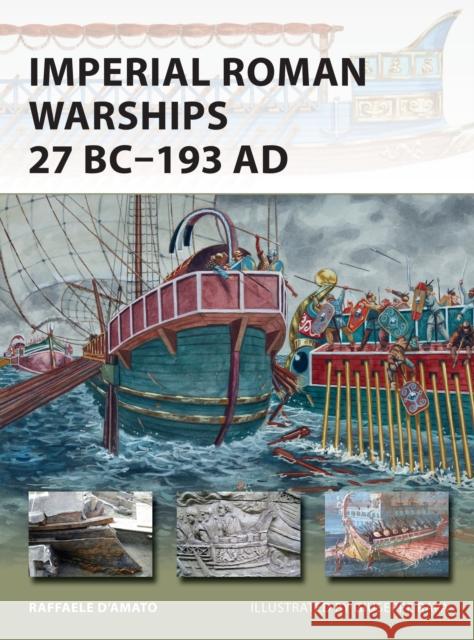
The Roman Empire was not only built by the strength of the legions but also by a Navy that was the most powerful maritime force ever to have existed. It was only the existence of the fleet that secured the trade routes and maintained the communications within the huge Empire. At the height of its power the Roman Navy employed tens of thousands of sailors, marines and craftsmen, coming from every corner of the three continents under the rule of the Caesars. This book reveals the design and development history of Rome's naval force at the height of its Imperial Power. As well as...
The Roman Empire was not only built by the strength of the legions but also by a Navy that was the most powerful maritime force ever to have existe...
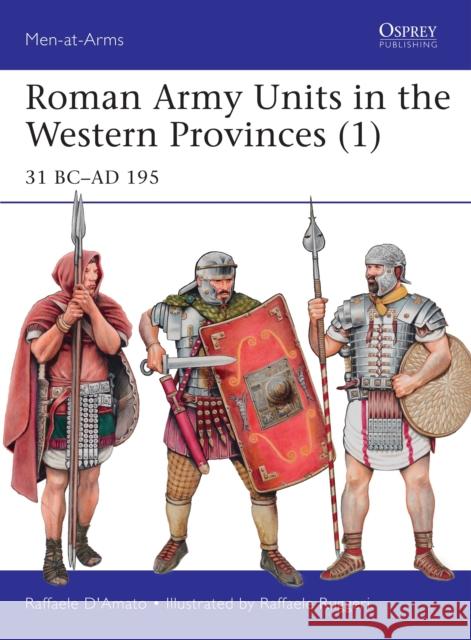
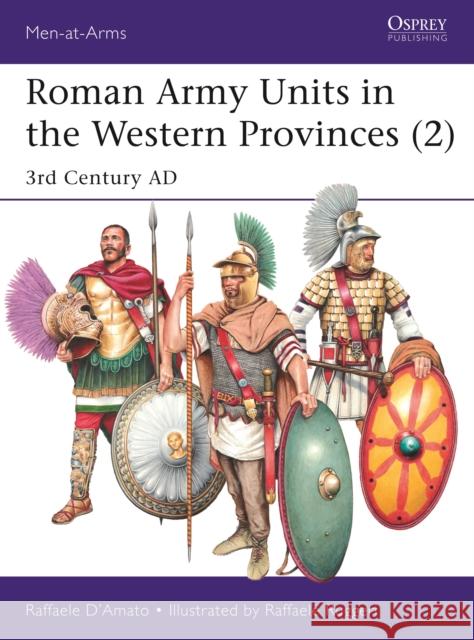
Although often portrayed generically in media, decades of research have revealed a staggeringly diverse range of equipment and uniforms used by the Roman army, tracing how these changed through time and how regional deployment caused additional variation. This new title reveals the diversity in equipment and clothing in the Western Provinces across the Roman army, from legions to local scouts.
Packed with full-color, specially commissioned illustrations and information gleaned from the latest archaeological finds, this is a detailed and informed analysis of the Roman army and the...
Although often portrayed generically in media, decades of research have revealed a staggeringly diverse range of equipment and uniforms used by the...
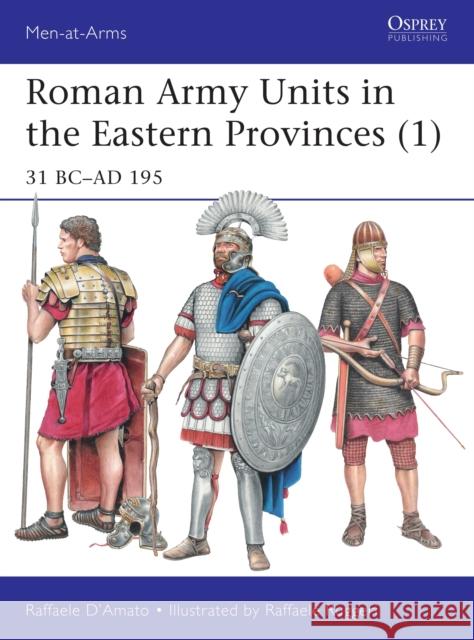
Between the reigns of Augustus and Septimius Severus, the Eastern provinces of the Roman Empire frequently saw brutal fighting, most notably during the conquest of Dacia by Trajan, the suppression of the Great Revolt in Judea and intermittent clashes with Rome's great rival Parthia. In these wars, Roman soldiers had to fight in a range of different climates and terrains, from the deserts of the Middle East to the islands of the eastern Mediterranean.
Using full-color artwork, this book examines the variation of equipment and uniforms both between different military units, and in...
Between the reigns of Augustus and Septimius Severus, the Eastern provinces of the Roman Empire frequently saw brutal fighting, most notably during...
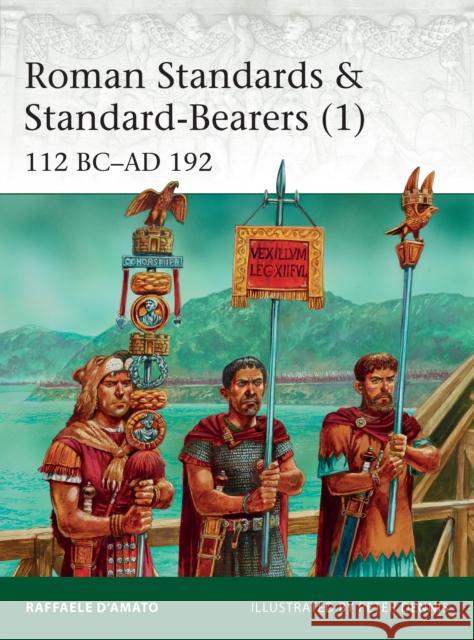
Roman unit standards played a important role, both ceremonially and on the battlefield. With the armies of the late Roman Republic and early Empire continually engaged on the frontiers, the soldiers selected for the dangerous honor of carrying them were figures of particular renown and splendor.
Standard-bearers wore special armor, with the heads and pelts of animals such as bears, wolves, or even lions draped over their helmets and shoulders. The standards themselves varied greatly, from the legion's Eagle and imperial portrait image to various cohort signa, flags (vexilla),...
Roman unit standards played a important role, both ceremonially and on the battlefield. With the armies of the late Roman Republic and early Empire...