Mulangane, Emmanuel Kizungu, Byamana, Robert Kizungu, Bashizi, David Bayongwa
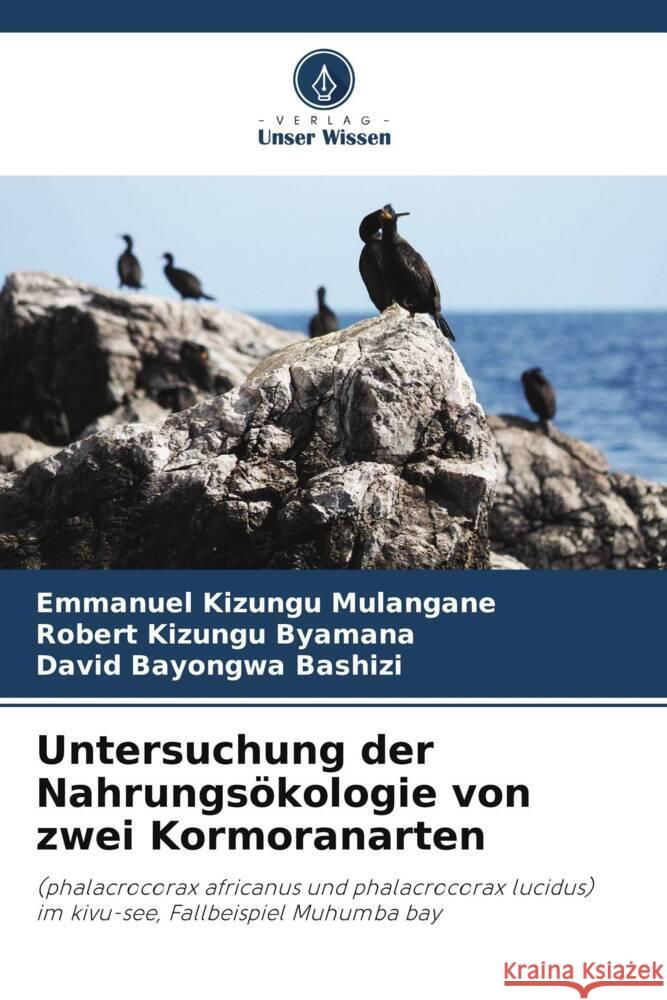
Unser übergeordnetes Ziel war es, die ökologischen und ernährungsphysiologischen Beziehungen zwischen den beiden Kormoranarten (Phalacrocorax lucidus und Phalacrocorax. africanus) in der Muhumba-Bucht im Bukavu-Becken am Kivu-See zu untersuchen. Die analytische Methode ermöglichte es uns, alle Daten zu analysieren und zu interpretieren. Die Konservierungstechniken mit Formaldehyd und verdünntem Alkohol wurden im Labor des Forschungszentrums verwendet.
Unser übergeordnetes Ziel war es, die ökologischen und ernährungsphysiologischen Beziehungen zwischen den beiden Kormoranarten (Phalacrocorax lucid...
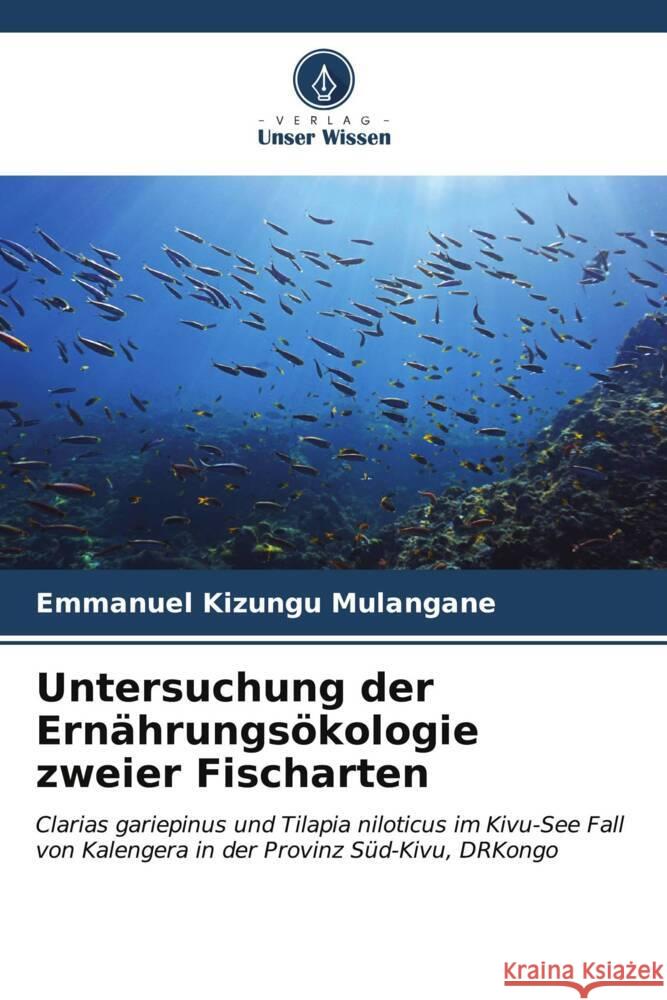
Ziel dieser Arbeit war es, die ökologische Beziehung und die Ernährung dieser beiden Arten in Kalengera im Kivu-See zu kennen, und zwar mithilfe einer Methode zur Trennung von Altersklassen, d. h. Jungfische voneinander, Jungfische voneinander und kommerzielle Fische. zwischen ihnen sowie die Geschlechtsbestimmung von reproduktiveren männlichen Fischen. Unsere Ergebnisse der Fütterung von Kalengera belegen, dass 70 % des Reismehls, 20 % der Kuchen und 10 % des Kuhmistes und Hühnerkots aus ökologischer Sicht die Raubtiere der Art Tilapia niloticus in den Küstengebieten des Sees...
Ziel dieser Arbeit war es, die ökologische Beziehung und die Ernährung dieser beiden Arten in Kalengera im Kivu-See zu kennen, und zwar mithilfe ein...
Mulangane, Emmanuel Kizungu, Byamana, Robert Kizungu, Bashizi, David Bayongwa
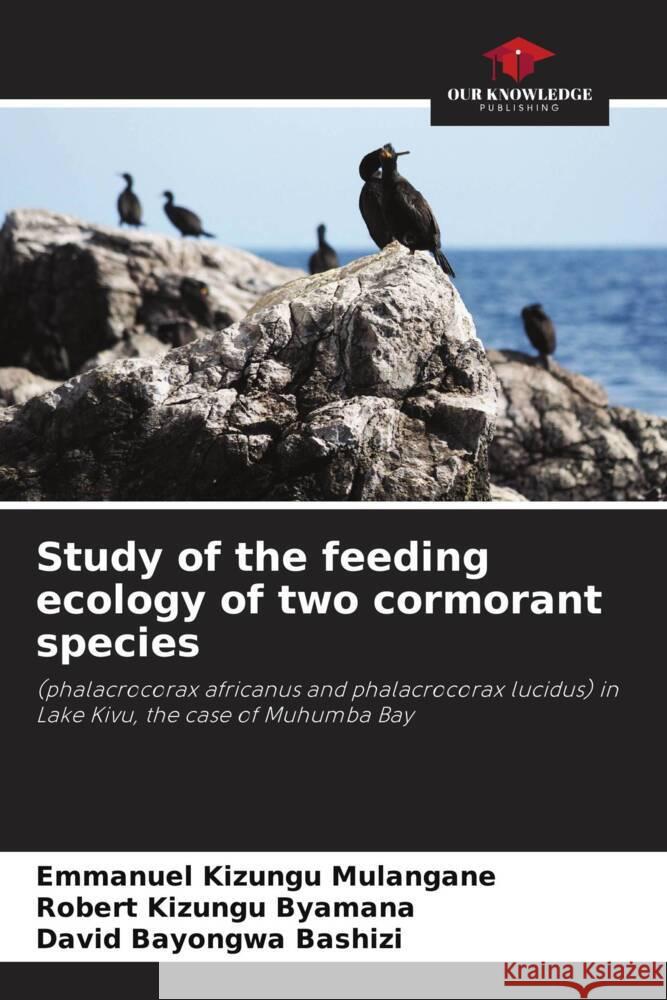
Our overall objective was to understand the ecological and feeding relationships between the two cormorant species (Phalacrocorax lucidus and Phalacrocorax africanus) in the muhumba bay in the Bukavu basin of Lake Kivu. Analytical methods were used to analyze and interpret all the data, and conservation techniques using formalin and diluted alcohol were applied in the laboratory of the Centre de Recherche.
Our overall objective was to understand the ecological and feeding relationships between the two cormorant species (Phalacrocorax lucidus and Phalacro...
The objective of this work was to know the ecological relationship and the diet of these two species at Kalengera in Lake Kivu, thanks to a method of separating age classes, i.e. fry from each other, juveniles from each other and commercial fish. between them as well as the sexing of more reproductive male fish. Our results of feeding Kalengera proves 70% of the rice flour, 20% of the cakes and 10% of the cow manure and chicken droppings, for the ecology the Clarias gariepinus constitutes the predators of the species of Tilapia niloticus in the coastal areas of Lake Kivu.
The objective of this work was to know the ecological relationship and the diet of these two species at Kalengera in Lake Kivu, thanks to a method of ...