Krankenhausinfektionen (HAIs) sind Infektionen, die sich Patienten während ihres Aufenthalts in einer Gesundheitseinrichtung zuziehen und in der Regel 48 Stunden oder später nach der Aufnahme ins Krankenhaus auftreten. Sie können verschiedene Ursachen haben, beispielsweise medizinische Geräte, Operationen und die Übertragung zwischen Patienten und Gesundheitspersonal.Krankenhausinfektionen, auch als nosokomiale Infektionen oder nosokomiale Infektionen bezeichnet, sind Infektionen, die bei Patienten während ihrer Behandlung in einer Gesundheitseinrichtung auftreten. Sie sind bei der...
Krankenhausinfektionen (HAIs) sind Infektionen, die sich Patienten während ihres Aufenthalts in einer Gesundheitseinrichtung zuziehen und in der Rege...
Les infections nosocomiales (IN) sont des infections contractées par les patients pendant leur séjour dans un établissement de santé, généralement 48 heures ou plus après leur admission à l'hôpital. Elles peuvent avoir différentes origines, telles que les dispositifs médicaux, les interventions chirurgicales et la transmission entre les patients et les professionnels de santé.Les infections nosocomiales, également appelées infections associées aux soins de santé ou infections nosocomiales, sont des infections qui surviennent chez des patients pendant leur traitement dans un...
Les infections nosocomiales (IN) sont des infections contractées par les patients pendant leur séjour dans un établissement de santé, généraleme...
The human microbiome is the sum total of all microorganisms (fungi, viruses, bacteria, and other microbes) that inhabit and reside on the human body. These microorganisms mostly live in places such as the skin, gut, mouth, and other body systems. The human gut microbiome, specifically, harbors trillions of organisms and plays vital functions in the following terms:Digestion and metabolism, immune system development and function, protection against pathogens production of essential vitamins and compounds Influence on mental health through the gut-brain axis.
The human microbiome is the sum total of all microorganisms (fungi, viruses, bacteria, and other microbes) that inhabit and reside on the human body. ...
Microorganisms, or microbes, are tiny living organisms that can only be seen with a microscope. They are also known as microorganisms or microscopic organisms as they could only be seen under a microscope. They make up almost 60% of the earth's living matter. This diverse group includes bacteria, viruses, fungi, algae and protozoa. Everywhere on earth, including soil, water, the atmosphere, animals, plants, and humans, is home to microorganisms. The atmosphere is the only place where microbes cannot proliferate. All other living cells on our planet pale in comparison to their collective...
Microorganisms, or microbes, are tiny living organisms that can only be seen with a microscope. They are also known as microorganisms or microscopic o...
Milk is a white, nutrient-rich liquid that mammals, including humans, produce to feed their young offspring. It is a primary source of nutrition for newborns before they are able to digest solid food. In the context of human consumption, milk usually refers to cow's milk, although milk from other mammals such as goats, sheep, and buffalo is also consumed in various parts of the world. Milk is a complete food, containing a balanced mix of proteins, carbohydrates, fats, vitamins, and minerals. It is an excellent source of calcium, which is essential for bone and teeth health. Milk also contains...
Milk is a white, nutrient-rich liquid that mammals, including humans, produce to feed their young offspring. It is a primary source of nutrition for n...
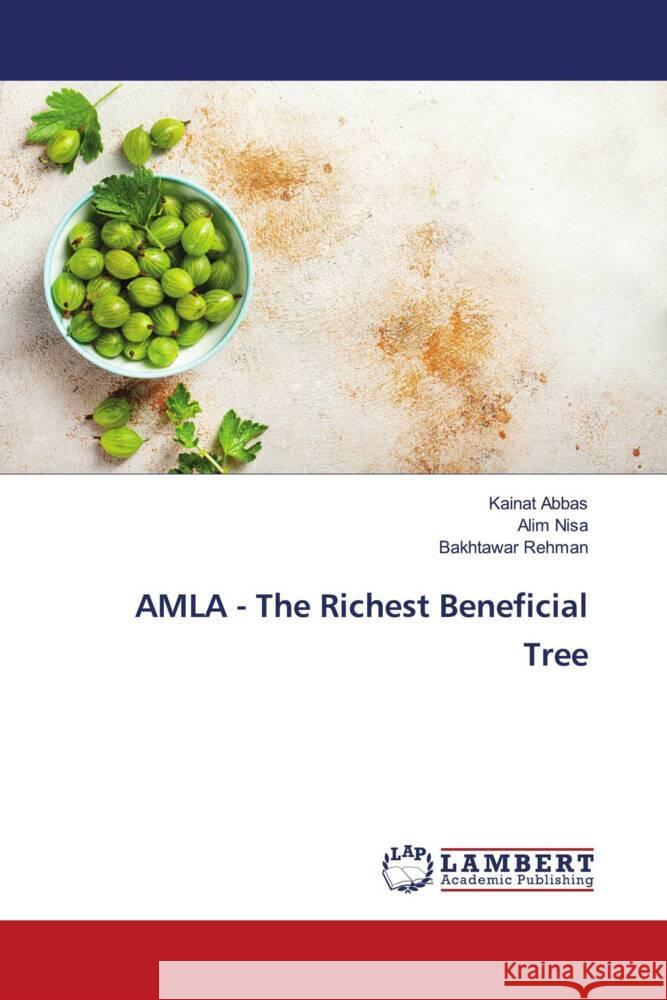
Amla boasts a wealth of vitamin C, antioxidants and various phytochemicals, rendering it a sought-after component in herbal remedies and dietary supplements. It is reputed to enhance the immune system, facilitate digestion, support hair health and exhibit anti-aging properties. Amla is consumed in various forms, including fresh fruit, juice, dried powder, and as an ingredient in condiments, pickles, and herbal concoctions.
Amla boasts a wealth of vitamin C, antioxidants and various phytochemicals, rendering it a sought-after component in herbal remedies and dietary suppl...
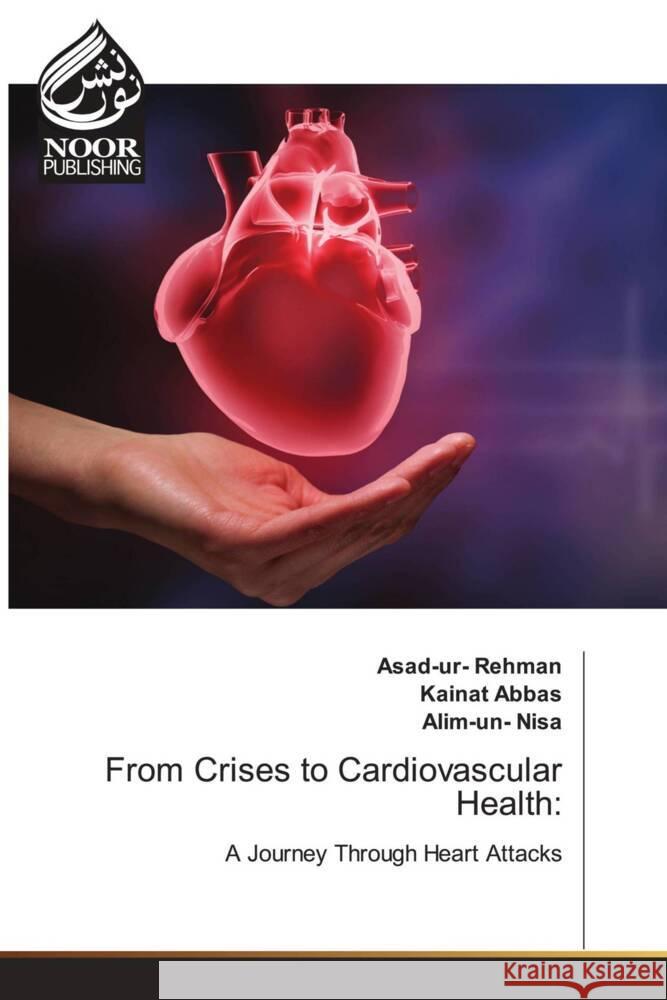
The heart is a vital organ in the circulatory system, responsible for pumping blood throughout the body. It is a muscular organ located in the chest, slightly left of center. The primary function of the heart is to ensure the circulation of oxygen, nutrients, and hormones to various tissues and organs, while simultaneously removing waste products. Comprised of four chambers - the left and right atria and ventricles - the heart operates in a coordinated rhythmic pattern known as the cardiac cycle. This intricate process involves the contraction and relaxation of the heart muscle, facilitating...
The heart is a vital organ in the circulatory system, responsible for pumping blood throughout the body. It is a muscular organ located in the chest, ...