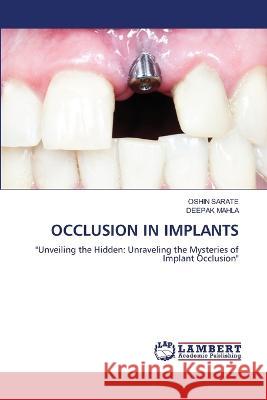
Occlusion is not defined solely as the nature of occlusal contact between opposing teeth but more broadly refers to the dynamic relation between the teeth, the neuromuscular system, the TMJ and their interactive relationship on the craniofacial environment. This book discusses the impact of occlusion on implant success rates, explores occlusion-related complications, and highlights diagnostic methods and treatment strategies to achieve optimal occlusion in implant dentistry. Achieving proper occlusion for a patient is as fundamental to success as function or esthetics and is of paramount...
Occlusion is not defined solely as the nature of occlusal contact between opposing teeth but more broadly refers to the dynamic relation between the t...
Maxillofacial prosthetics is defined as the branch of Prosthodontics concerned with restoration, replacement or both of stomatognathic and associated facial structures by artificial substitutes that may or may not be removed. The face is the most noticeable part of the body. The rehabilitation of maxillofacial defect patients is a complex process of restoration of a previous state following a major change. The defect may be functional, cosmetic or emotional as it causes psychological trauma to the patient. Long term success of facial prostheses mainly depends on retention. Anatomic undercuts,...
Maxillofacial prosthetics is defined as the branch of Prosthodontics concerned with restoration, replacement or both of stomatognathic and associated ...
La prothèse maxillo-faciale est définie comme la branche de la prosthodontie qui s'occupe de la restauration, du remplacement ou des deux des structures stomatognathiques et faciales associées par des substituts artificiels qui peuvent ou non être enlevés. Le visage est la partie la plus visible du corps. La réhabilitation des patients souffrant de défauts maxillo-faciaux est un processus complexe de restauration d'un état antérieur à la suite d'un changement majeur. Le défaut peut être fonctionnel, cosmétique ou émotionnel, car il provoque un traumatisme psychologique chez le...
La prothèse maxillo-faciale est définie comme la branche de la prosthodontie qui s'occupe de la restauration, du remplacement ou des deux des struct...
Die Kiefer- und Gesichtsprothetik ist definiert als der Zweig der Prothetik, der sich mit der Wiederherstellung, dem Ersatz oder beidem von stomatognathen und zugehörigen Gesichtsstrukturen durch künstliche Ersatzmaterialien befasst, die entfernt werden können oder auch nicht. Das Gesicht ist der auffälligste Teil des Körpers. Die Rehabilitation von Patienten mit Gesichtsdefekten ist ein komplexer Prozess der Wiederherstellung eines früheren Zustands nach einer großen Veränderung. Der Defekt kann funktionell, kosmetisch oder emotional sein , da er ein psychologisches Trauma für den...
Die Kiefer- und Gesichtsprothetik ist definiert als der Zweig der Prothetik, der sich mit der Wiederherstellung, dem Ersatz oder beidem von stomatogna...
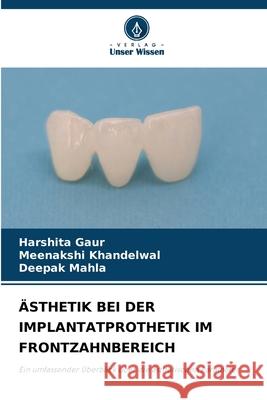
Das Erreichen ästhetischer Erfolge bei der anterioren Implantatprothetik erfordert eine präzise Steuerung biologischer, chirurgischer und prothetischer Faktoren. Anders als die posterioren Regionen, in denen die Funktion dominiert, reagiert die anteriore Zone sehr empfindlich auf Weichteilkonturen, Papillenpräsenz und Knochenunterstützung. Biologisch gesehen verbessert eine Schleimhautdicke von mehr als 2 mm die Stabilität und verringert das Rezessionsrisiko, während dünne Biotypen anfälliger für ästhetische Kompromisse sind. Der Erhalt der Interdentalpapillen und atraumatische...
Das Erreichen ästhetischer Erfolge bei der anterioren Implantatprothetik erfordert eine präzise Steuerung biologischer, chirurgischer und prothetisc...
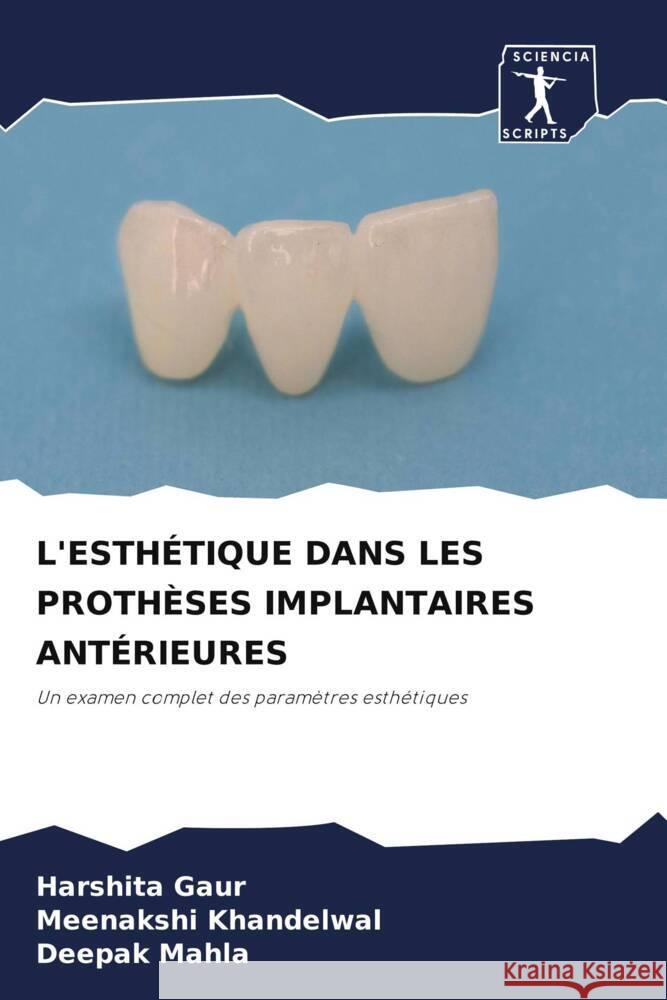
La réussite esthétique des prothèses implantaires antérieures nécessite une gestion précise des facteurs biologiques, chirurgicaux et prothétiques. Contrairement aux régions postérieures, où la fonction domine, la zone antérieure est très sensible aux contours des tissus mous, à la présence de papilles et au soutien osseux. Sur le plan biologique, une épaisseur de muqueuse supérieure à 2 mm améliore la stabilité et réduit le risque de récession, tandis que les biotypes minces sont plus susceptibles de compromettre l'esthétique. La préservation des papilles...
La réussite esthétique des prothèses implantaires antérieures nécessite une gestion précise des facteurs biologiques, chirurgicaux et prothétiq...
Implant abutments are critical components in dental implantology, serving as the link between the implant fixture and the prosthesis. Their selection directly influences functional stability, esthetics, and long-term success. Materials such as titanium provide superior strength and biocompatibility, while zirconia offers excellent esthetics and favorable soft tissue response. Hybrid abutments combine these advantages for balanced outcomes. Abutment design, connection type, and geometry affect stress distribution, peri-implant tissue health, and resistance to bacterial leakage. Recent advances...
Implant abutments are critical components in dental implantology, serving as the link between the implant fixture and the prosthesis. Their selection ...