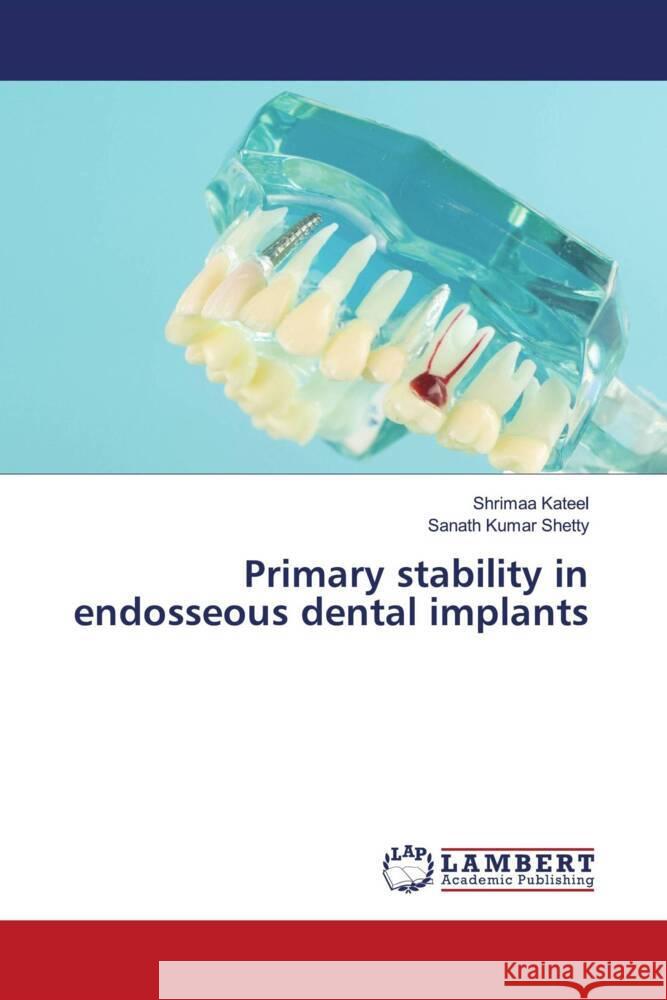
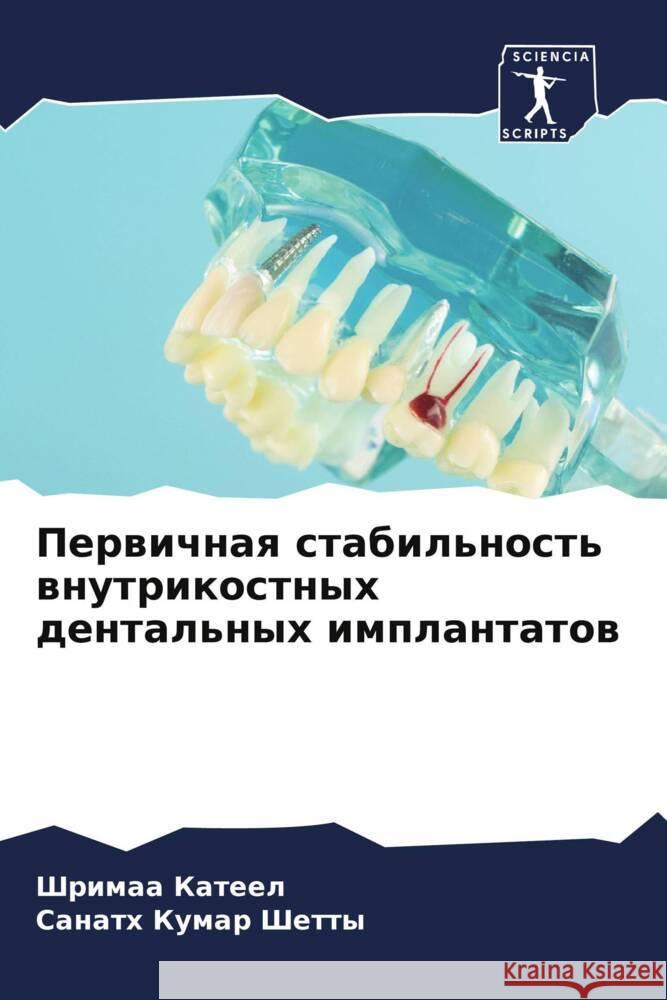
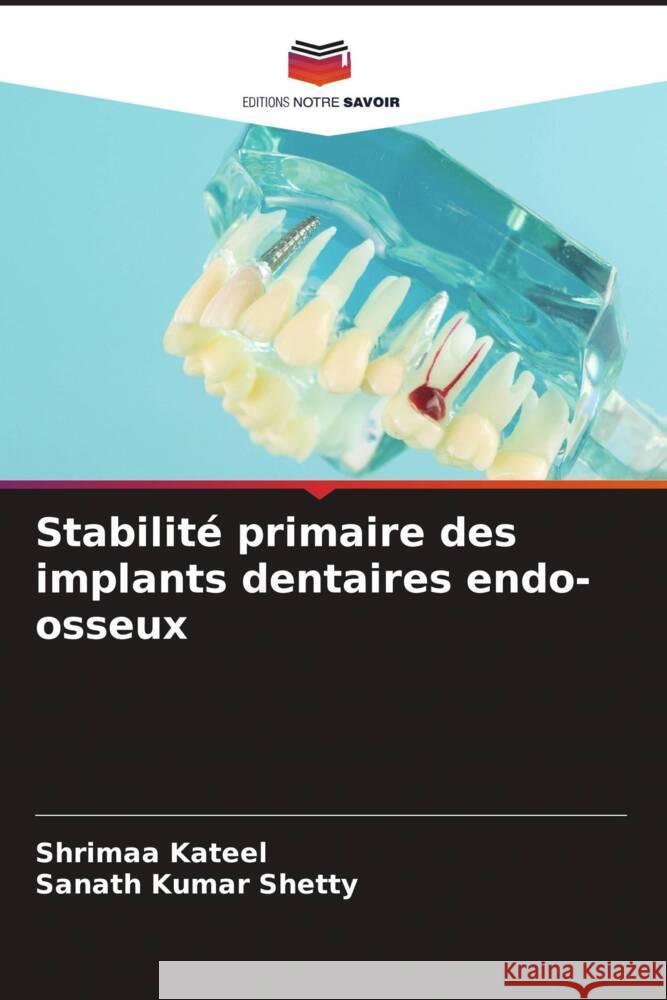
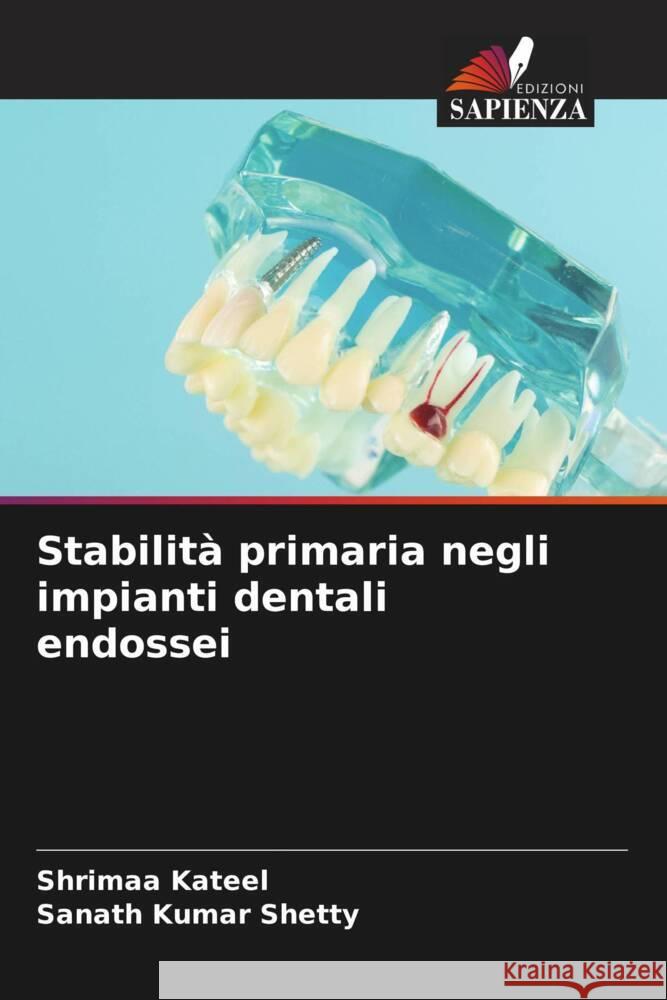
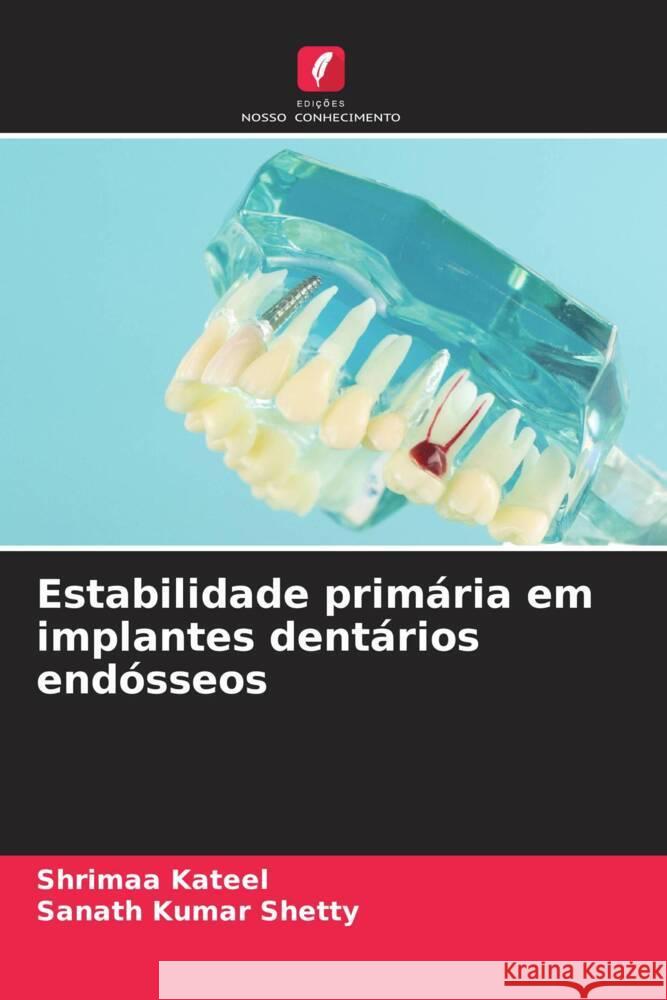
Dental implants are becoming increasingly popular for tooth replacement. The advantages to dental implant therapy over removable partial dentures or fixed partial dentures include enhanced aesthetics, no preparation of adjacent teeth, a fixed restoration where hygiene can be performed similar to natural teeth, and a high success rate that has been well established in the literature. For replacement with dental implants osseointergration is a prerequisite for successful prognosis of the treatment. To achieve osseointegration implant should have stabilitywith native bone to achieve good bone to...
Dental implants are becoming increasingly popular for tooth replacement. The advantages to dental implant therapy over removable partial dentures or f...
Les implants dentaires sont de plus en plus populaires pour le remplacement des dents. Les avantages de la thérapie par implant dentaire par rapport aux prothèses partielles amovibles ou aux prothèses partielles fixes comprennent une esthétique améliorée, aucune préparation des dents adjacentes, une restauration fixe où l'hygiène peut être effectuée de la même manière que les dents naturelles et un taux de réussite élevé qui a été bien établi dans la littérature. . Pour le remplacement par des implants dentaires, l'ostéointégration est une condition préalable au bon...
Les implants dentaires sont de plus en plus populaires pour le remplacement des dents. Les avantages de la thérapie par implant dentaire par rapport ...
Zahnimplantate erfreuen sich als Zahnersatz immer größerer Beliebtheit. Die Vorteile der Zahnimplantattherapie gegenüber herausnehmbaren Teilprothesen oder festsitzenden Teilprothesen umfassen eine verbesserte Ästhetik, keine Präparation benachbarter Zähne, eine festsitzende Restauration, bei der die Hygiene ähnlich wie bei natürlichen Zähnen durchgeführt werden kann, und eine hohe Erfolgsrate, die in der Literatur gut belegt ist . Beim Ersatz durch Zahnimplantate ist die Osseointegration eine Voraussetzung für eine erfolgreiche Prognose der Behandlung. Um eine Osseointegration zu...
Zahnimplantate erfreuen sich als Zahnersatz immer größerer Beliebtheit. Die Vorteile der Zahnimplantattherapie gegenüber herausnehmbaren Teilprothe...
Shetty, Sanath Kumar, I Katageri, Anusha, Shetty, Rajesh
Temporomandibular disorders (TMDs) are prevalent conditions affecting the musculoskeletal system, particularly the jaw and surrounding structures. While much is known about the local symptoms of TMDs, their broader impact on body posture and spinal alignment remains underexplored. The interconnectedness of the musculoskeletal system suggests that dysfunction in the temporomandibular joint (TMJ) could have far-reaching effects on posture, potentially leading to or exacerbating spinal abnormalities, muscle imbalances, and chronic pain. Previous studies have indicated a potential link between...
Temporomandibular disorders (TMDs) are prevalent conditions affecting the musculoskeletal system, particularly the jaw and surrounding structures. Whi...
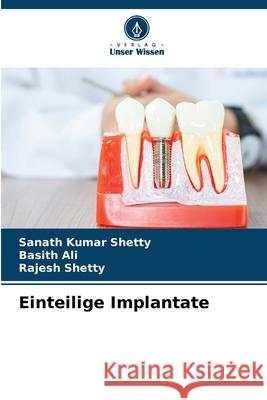
Das einteilige Implantat, auch Monoblock-Implantat genannt, hat eine lange Geschichte in der Zahnchirurgie, die bis ins Jahr 600 n. Chr. zurückreicht. Das moderne einteilige Implantat, bei dem Implantatkörper und Abutment eine Einheit bilden, bietet Vorteile wie eine kürzere Behandlungszeit, eine geringere Morbidität und den Verzicht auf Knochentransplantate. Diese Implantate sind besonders für Bereiche mit ausreichender Knochenhöhe geeignet und können bikortikal oder trikortikal verankert werden.
Das einteilige Implantat, auch Monoblock-Implantat genannt, hat eine lange Geschichte in der Zahnchirurgie, die bis ins Jahr 600 n. Chr. zurückreicht...
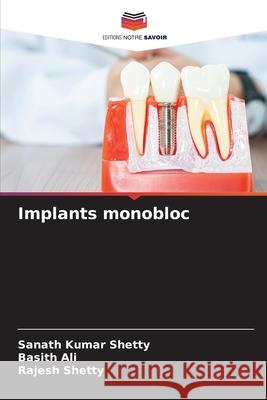
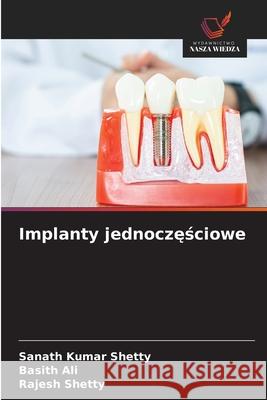
L'implant en une seule pièce, également appelé implant monobloc, a une longue histoire en chirurgie dentaire, qui remonte à l'an 600 de notre ère. L'implant monobloc moderne, qui intègre le corps de l'implant et le pilier en une seule unité, offre des avantages tels que la réduction du temps de traitement, la diminution de la morbidité et l'absence de greffe osseuse. Ces implants sont particulièrement utiles dans les zones où la hauteur osseuse est suffisante et peuvent fournir un ancrage bicortical ou tricortical.
L'implant en une seule pièce, également appelé implant monobloc, a une longue histoire en chirurgie dentaire, qui remonte à l'an 600 de notre ère...