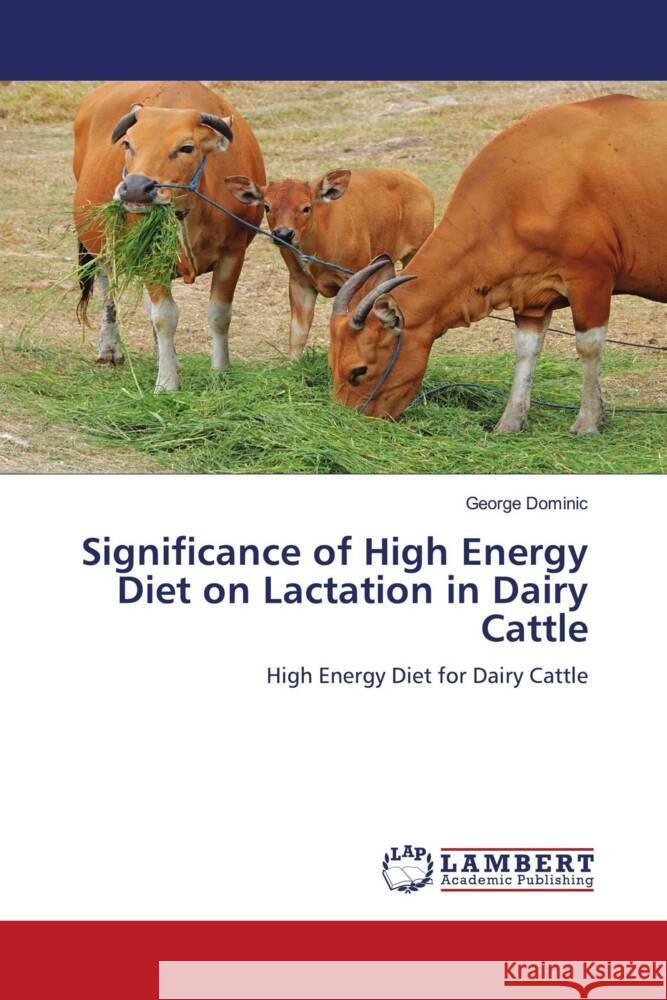
Les bovins laitiers en début de lactation ont des besoins en nutriments supérieurs à ceux des animaux en croissance, notamment en termes d'énergie, de protéines et de minéraux majeurs. L'énergie est l'un des facteurs nutritionnels les plus importants qui limitent la production des vaches laitières. En début de lactation, les vaches ne sont pas en mesure de consommer suffisamment d'énergie à partir de l'alimentation pour répondre à leur demande d'énergie pour la lactation. Les réserves corporelles sont donc mobilisées, ce qui conduit à un bilan énergétique négatif. Le bilan...
Les bovins laitiers en début de lactation ont des besoins en nutriments supérieurs à ceux des animaux en croissance, notamment en termes d'énergie...
Dairy cattle in early lactation have requirement for nutrients greater than growing animals especially in terms of energy, protein and major minerals. Energy is one of the most important nutritional factors that limit production in dairy cattle. During early lactation cows are unable to consume enough energy from the feed to meet their energy demand for lactation. Thus the body reserves are mobilized, leading to the negative energy balance. Negative energy balance is one of the major problems related to nutritional management of early lactating cows. It can lead to higher risk of metabolic...
Dairy cattle in early lactation have requirement for nutrients greater than growing animals especially in terms of energy, protein and major minerals....
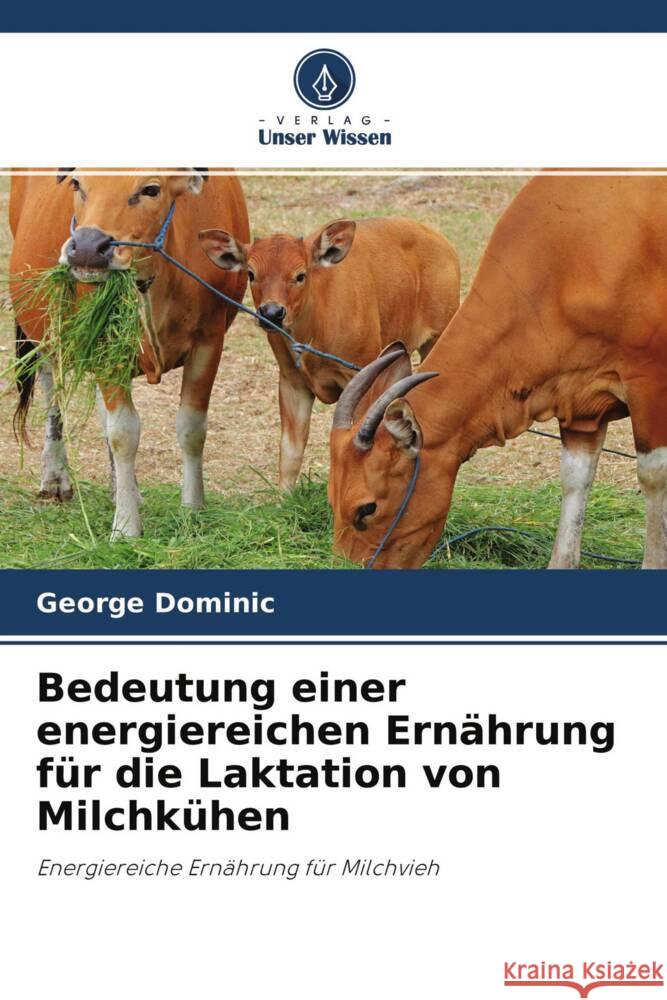
Milchkühe in der frühen Laktation haben einen höheren Nährstoffbedarf als Tiere im Wachstum, insbesondere in Bezug auf Energie, Eiweiß und wichtige Mineralstoffe. Energie ist einer der wichtigsten Ernährungsfaktoren, die die Produktion von Milchkühen einschränken. Während der frühen Laktation können die Kühe nicht genügend Energie aus dem Futter aufnehmen, um ihren Energiebedarf für die Laktation zu decken. Daher werden die Körperreserven mobilisiert, was zu einer negativen Energiebilanz führt. Eine negative Energiebilanz ist eines der Hauptprobleme im Zusammenhang mit dem...
Milchkühe in der frühen Laktation haben einen höheren Nährstoffbedarf als Tiere im Wachstum, insbesondere in Bezug auf Energie, Eiweiß und wichti...
Use of agroindustrial byproducts, herbal plants and its residues and crop residues in animal nutrition has been successfully adopted as a strategy to reduce feeding costs, reduce use of antibiotics and also to improve performance of livestock. World health organization encouraged the use of medicinal herbs and plants to minimize or substitute the use of chemicals through the global trend to go back to nature and utilization of medicinal plants as growth promoters in animal feeds were increased during the last few years due to prohibition of most of the antimicrobial growth promoters because...
Use of agroindustrial byproducts, herbal plants and its residues and crop residues in animal nutrition has been successfully adopted as a strategy to ...
Les herbes et leurs métabolites constituent une catégorie relativement récente d'additifs alimentaires dans l'alimentation animale et leur mode d'action, leur utilisation et leur application ne sont pas encore complètement étudiés. L'interdiction des stimulateurs de croissance antibiotiques dans l'alimentation du bétail a entraîné une demande croissante et des études scientifiques pour l'utilisation des herbes, des extraits d'herbes ou des résidus dans le monde entier. Ces dernières années, de nombreux médicaments à base de plantes ont déjà été signalés comme favorisant la...
Les herbes et leurs métabolites constituent une catégorie relativement récente d'additifs alimentaires dans l'alimentation animale et leur mode d'a...