Hernández-Rivera, Juan Augusto, García-Casillas, Arturo César, Prado-Rebolledo, Omar Francisco
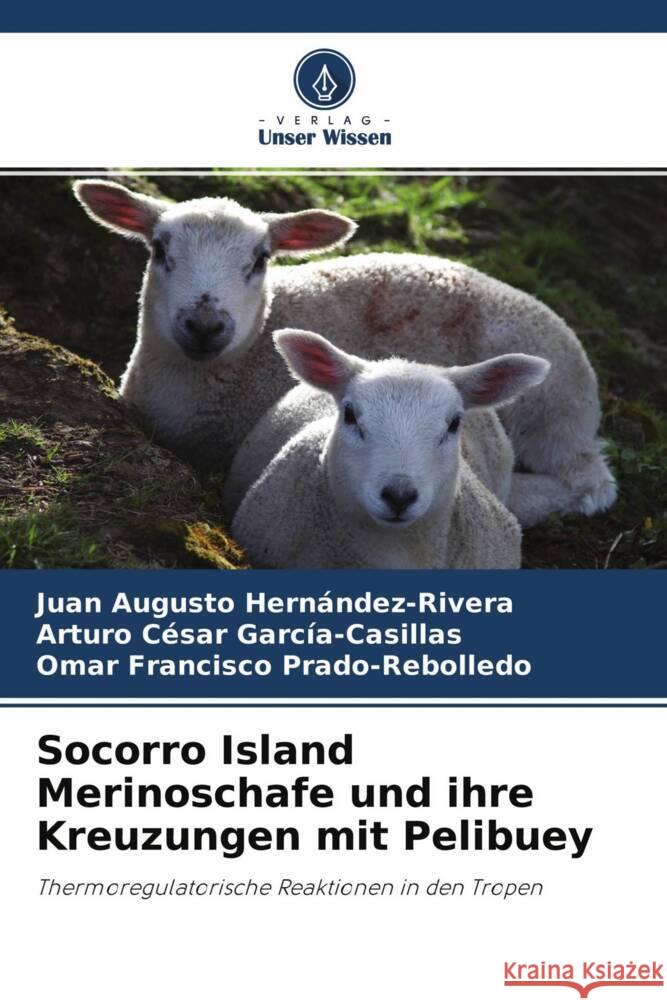
La production ovine dans le monde est en constante évolution par rapport aux systèmes de production actuels. Actuellement, au Mexique, le cheptel ovin et la production de viande ont augmenté en même temps que la population et la consommation de ce produit. Par conséquent, les éleveurs d'ovins exigent des recherches qui traitent d'aspects tels que l'amélioration des ressources génétiques, des taux de production, des taux de reproduction, de la gestion et de la rusticité des ovins. Cela est compliqué, surtout lorsqu'il existe au Mexique des biotypes ovins indigènes qui n'ont pas...
La production ovine dans le monde est en constante évolution par rapport aux systèmes de production actuels. Actuellement, au Mexique, le cheptel ov...
Hernández-Rivera, Juan Augusto, García-Casillas, Arturo César, Prado-Rebolledo, Omar Francisco
Sheep production worldwide has been in constant change in relation to current production systems. At this time in Mexico, the sheep inventory and meat production has grown along with the population and consumption of this product. Therefore, sheep farmers demand research that deals with aspects such as improving genetic resources, production rates, reproductive rates, management and hardiness of sheep. This is complicated, even more so when in Mexico there are indigenous sheep biotypes that have not been characterized productively or reproductively, but that could help to improve these...
Sheep production worldwide has been in constant change in relation to current production systems. At this time in Mexico, the sheep inventory and meat...
Hernández-Rivera, Juan Augusto, García-Casillas, Arturo César, Prado-Rebolledo, Omar Francisco
Die weltweite Schafhaltung hat sich im Vergleich zu den heutigen Produktionssystemen ständig verändert. In Mexiko ist der Schafbestand und die Fleischproduktion mit der Bevölkerung und dem Verbrauch dieses Produkts gewachsen. Daher fordern die Schafhalter Forschungsarbeiten, die sich mit Aspekten wie der Verbesserung der genetischen Ressourcen, der Produktions- und Reproduktionsraten, des Managements und der Widerstandsfähigkeit der Schafe befassen. Das ist kompliziert, zumal es in Mexiko einheimische Schafsbiotypen gibt, die weder produktiv noch reproduktiv charakterisiert wurden, die...
Die weltweite Schafhaltung hat sich im Vergleich zu den heutigen Produktionssystemen ständig verändert. In Mexiko ist der Schafbestand und die Fleis...
Hernández-Rivera, Juan Augusto, García-Casillas, Arturo César, Prado-Rebolledo, Omar Francisco
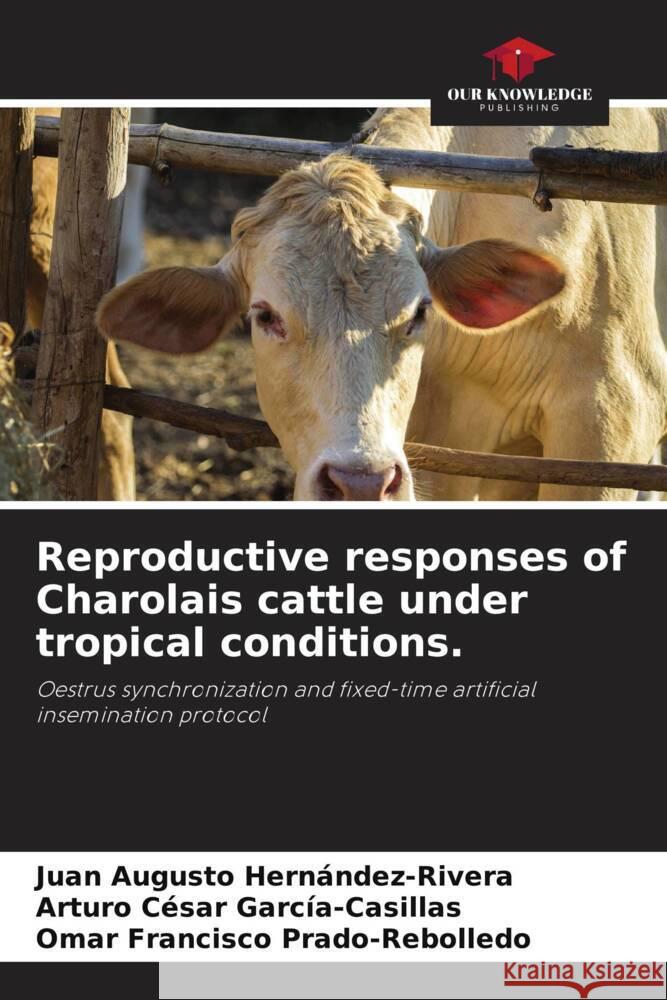
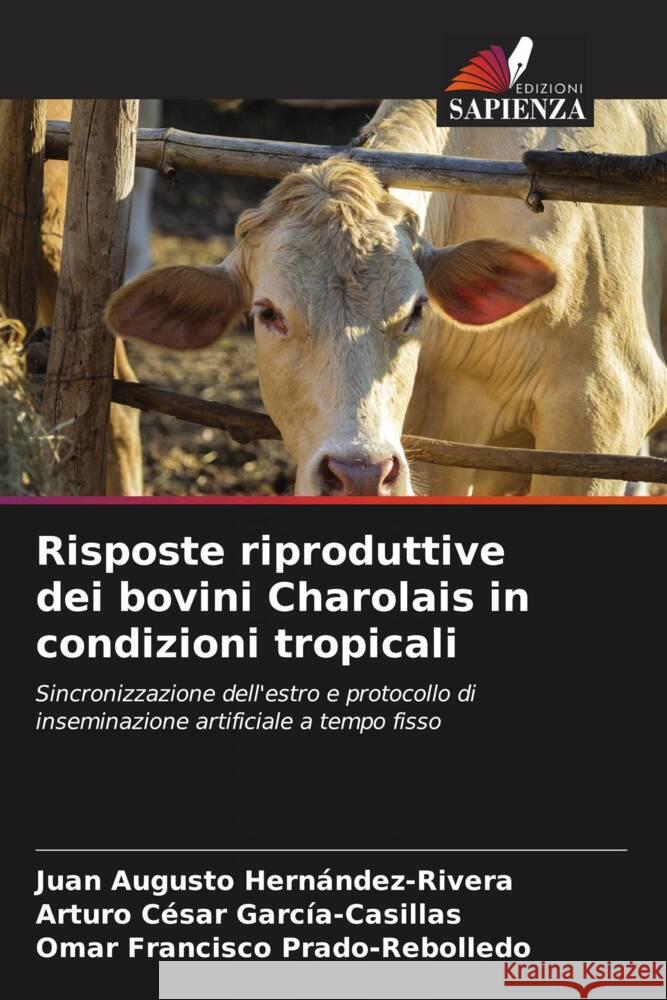
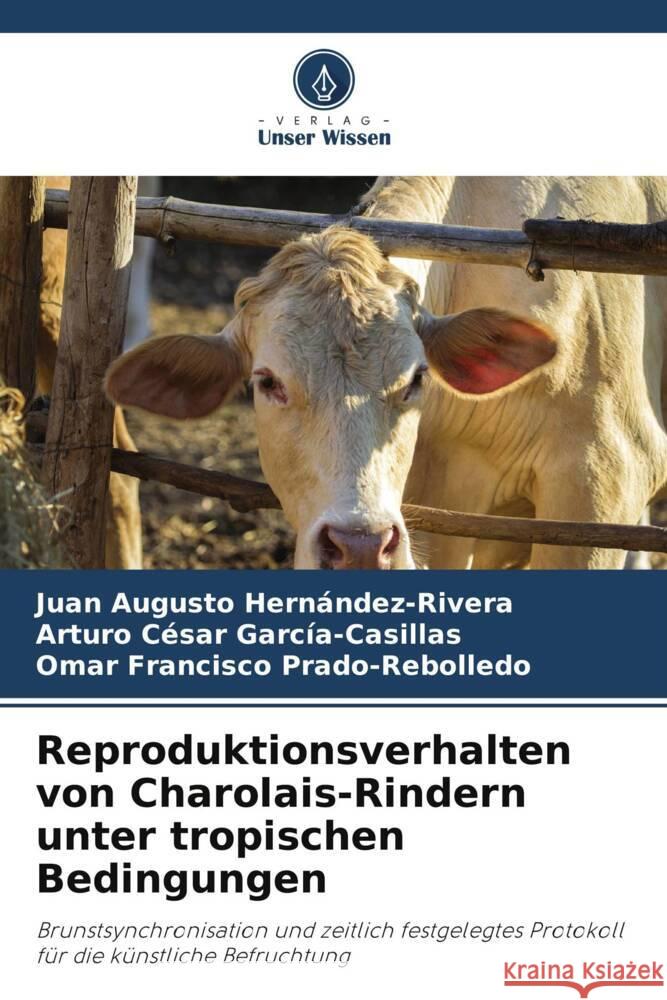
Artificial insemination (AI) is a tool used for the genetic improvement of livestock in the tropics. Fixed-time artificial insemination (FTAI) is an assisted reproduction technique that has had great development in recent years. Oestrus synchronization protocols are alternatives for ovulation and fertilization control. Reproductive efficiency is an important aspect in cattle production, which has a cost-benefit impact on cattle production. The use of these alternatives increases the number of cows inseminated in a short period of time. The use of IATF protocols based on previous studies show...
Artificial insemination (AI) is a tool used for the genetic improvement of livestock in the tropics. Fixed-time artificial insemination (FTAI) is an a...
Hernández-Rivera, Juan Augusto, García-Casillas, Arturo César, Prado-Rebolledo, Omar Francisco
L'insémination artificielle (IA) est un outil utilisé pour l'amélioration génétique du bétail sous les tropiques. L'insémination artificielle à temps fixe (IAF) est une technique de reproduction assistée qui s'est développée ces dernières années. Les protocoles de synchronisation de l'oestrus sont des alternatives pour le contrôle de l'ovulation et de la fécondation. L'efficacité de la reproduction est un aspect important de la production bovine, qui a un impact coût-bénéfice sur la production bovine. L'utilisation de ces alternatives permet d'augmenter le nombre de vaches...
L'insémination artificielle (IA) est un outil utilisé pour l'amélioration génétique du bétail sous les tropiques. L'insémination artificielle Ã...
Hernández-Rivera, Juan Augusto, García-Casillas, Arturo César, Prado-Rebolledo, Omar Francisco
Die künstliche Besamung (AI) ist ein Instrument zur genetischen Verbesserung des Viehbestands in den Tropen. Die zeitlich festgelegte künstliche Besamung (FTAI) ist eine Technik der assistierten Reproduktion, die in den letzten Jahren entwickelt worden ist. Brunstsynchronisationsprotokolle sind Alternativen für die Kontrolle von Ovulation und Befruchtung. Die Reproduktionseffizienz ist ein wichtiger Aspekt der Rinderproduktion, der sich auf das Kosten-Nutzen-Verhältnis der Rinderproduktion auswirkt. Der Einsatz dieser Alternativen erhöht die Zahl der in kurzer Zeit besamten Kühe. Die...
Die künstliche Besamung (AI) ist ein Instrument zur genetischen Verbesserung des Viehbestands in den Tropen. Die zeitlich festgelegte künstliche Bes...