A coordination complex consists of a central atom or ion, which is usually metallic and is called the coordination center, and a surrounding array of bound molecules or ions, that are in turn known as ligands or complexing agents. Many metal-containing compounds, especially those that include transition metals (elements like titanium that belong to the Periodic Table's d-block), are coordination complexes.Coordination chemistry emerged from the work of Alfred Werner, a Swiss chemist who examined different compounds composed of cobalt (III) chloride and ammonia. Upon the addition of...
A coordination complex consists of a central atom or ion, which is usually metallic and is called the coordination center, and a surrounding array of ...
Bienvenue à la publication opportune de ce chapitre intitulé : "Smart World ; Smart polymers".Les polymères intelligents, les polymères sensibles aux stimuli ou les polymères fonctionnels sont des polymères de haute performance qui changent en fonction de l'environnement dans lequel ils se trouvent. Ces matériaux peuvent être sensibles à un certain nombre de facteurs, tels que la température, l'humidité, le pH, les composés chimiques, la longueur d'onde ou l'intensité de la lumière ou encore un champ électrique ou magnétique, et peuvent réagir de diverses manières, par...
Bienvenue à la publication opportune de ce chapitre intitulé : "Smart World ; Smart polymers".Les polymères intelligents, les polymères sensibles ...
Carbon (C), nonmetallic chemical element in Group 14 (IVa) of the periodic table. Although widely distributed in nature, carbon is not particularly plentiful -it makes up only about 0.025 percent of Earth's crust- yet it forms more compounds than all the other elements combined. In 1961 the isotope carbon-12 was selected to replace oxygen as the standard relative to which the atomic weights of all the other elements are measured. Carbon-14, which is radioactive, is the isotope used in radiocarbon dating and radiolabeling.On a weight basis, carbon is 19th in order of elemental abundance in...
Carbon (C), nonmetallic chemical element in Group 14 (IVa) of the periodic table. Although widely distributed in nature, carbon is not particularly pl...
Kohlenstoff (C), nichtmetallisches chemisches Element in Gruppe 14 (IVa) des Periodensystems. Obwohl Kohlenstoff in der Natur weit verbreitet ist, ist er nicht besonders reichlich vorhanden - er macht nur etwa 0,025 Prozent der Erdkruste aus - und bildet dennoch mehr Verbindungen als alle anderen Elemente zusammen. Im Jahr 1961 wurde das Isotop Kohlenstoff-12 ausgewählt, um Sauerstoff als Standard zu ersetzen, mit dem die Atomgewichte aller anderen Elemente gemessen werden. Das radioaktive Isotop Kohlenstoff-14 wird bei der Radiokohlenstoffdatierung und bei der radioaktiven Markierung...
Kohlenstoff (C), nichtmetallisches chemisches Element in Gruppe 14 (IVa) des Periodensystems. Obwohl Kohlenstoff in der Natur weit verbreitet ist, ist...
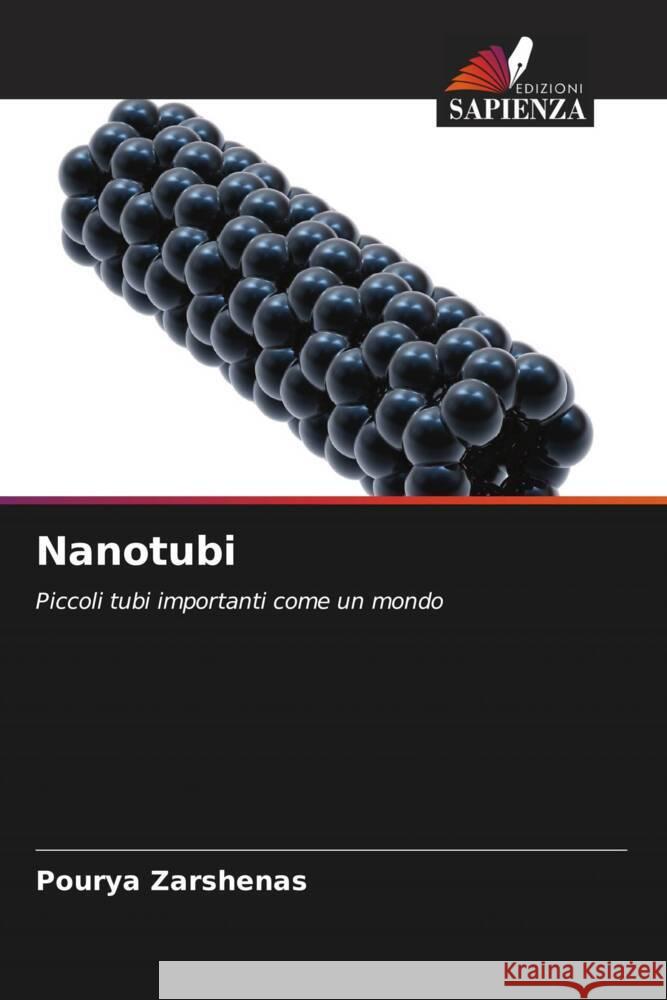
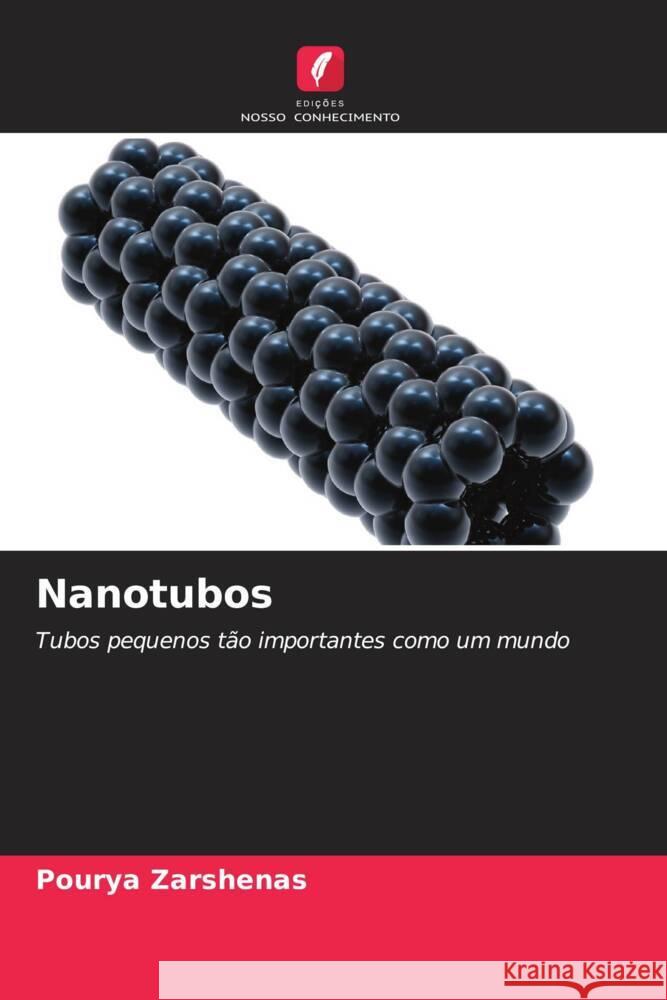
Nanotechnology is already making new materials available that could revolutionize many areas of manufacturing. For example, nanotubes and Nano particles, which are tubes and particles only a few atoms across, and aerogels, materials composed of very light and strong materials with remarkable insulating properties, could pave the way for new techniques and superior products. In addition, robots that are only a few nanometers in length, called Nano-bots, and Nano-factories could help construct novel materials and objects.In 2021, MIT's Department of Materials Science and Engineering (DMSE)...
Nanotechnology is already making new materials available that could revolutionize many areas of manufacturing. For example, nanotubes and Nano particl...