Oral habits are common in children. These habits include: non-nutritive sucking habits (thumb, finger and pacifier sucking habits), tongue-thrusting, tongue sucking and lip or nail biting habits.The majority of oral habits are called non-nutritive sucking habits. Early in life mostchildren engage in thumb-sucking or other non-nutritive sucking habits.Digital sucking is considered natural in infancy and almost 100% of children engagein this habit within the first year (Kravitz & Boehm, 1971).Near the end of early childhood and the beginning of grade school, any prolongedoral habit is...
Oral habits are common in children. These habits include: non-nutritive sucking habits (thumb, finger and pacifier sucking habits), tongue-thrusting, ...
SivaSangeetha, S, Emmanuel, Bibin Jacob, Mohan, Amala. P
Applications of nanotechnology in dentistry are vast. They include but are not limited to dental diagnostics, preventive dentistry, dental materials, prosthodontics, endodontics, conservative and aesthetic dentistry, periodontics, implantology, and regenerative dentistry and nano-products . Nanotechnology plays also a major role in equipment used by dental practitioners such as LED light curing units , protection of dental hard tissues against acid containing foods and characterization of dental materials and dental hard tissues and many more.
Applications of nanotechnology in dentistry are vast. They include but are not limited to dental diagnostics, preventive dentistry, dental materials, ...
When it comes to the person's health, oral health is of foremost importance. Oral health refers to the practice where an individual keeps his mouth clean and thus free from exposure to any disease. The benefits of practicing good oral hygiene habits are numerous. It reduces gums and cavities, strengthens bones, prevents cancers, etc. However, if a person cannot take care of his oral health, he may be subjected to several inflammations. One of those kinds of inflammation is the inflammation of the pulp. The pulp is the most inner layer of the human tooth consisting of nerves and blood vessels....
When it comes to the person's health, oral health is of foremost importance. Oral health refers to the practice where an individual keeps his mouth cl...
In spite of decades of research on fluoride and the recognition of its role as the cornerstone of dental caries reduction in the last fifty years, questions still arise on its use at community, self-applied and professional application levels. Which method of fluoride delivery should be used? How and when should it be used? How can its benefits be maximized and still reduce the risks associated with its use? These are only some of the challenging questions facing us by daily. This book provides detailed insight into the flourides in dentistry and helps to solve several question associated...
In spite of decades of research on fluoride and the recognition of its role as the cornerstone of dental caries reduction in the last fifty years, que...
Paediatrics involves the care of infants, children and adolescents.Neonatal and infant patients have significant physiological differences and older paediatric patients are continually developing towards adulthood and this impacts upon the care of these individuals. Paediatric Oral & Maxillofacial Surgery (OMS) is a sub-specialty that has evolved to manage the specific needs of neonates, infants and the growing child and it involves the care of patients with congenital craniofacial & developmental facial anomalies, cleft lip and palate, trauma, abnormal jaw growth, TMJ disorders in children,...
Paediatrics involves the care of infants, children and adolescents.Neonatal and infant patients have significant physiological differences and older p...
K, Shanthini, Emmanuel, Bibin Jacob, Mohan, Amala P
Dental neglect of the primary dentition is the principal cause of malocclusion in the permanent dentition.Early, regular, and satisfactory dental care maintains the primary teeth in a healthy condition until their normal exfoliation.Dental restorations in the primary dentition, particularly the molars involving the proximal surfaces, should be restored to their full mesio-distal diameter for the prevention of space loss and the maintenance of arch length.The objective of space maintenance and tooth guidance should be kept constantly in mind, that is, to prevent something bad from getting...
Dental neglect of the primary dentition is the principal cause of malocclusion in the permanent dentition.Early, regular, and satisfactory dental care...
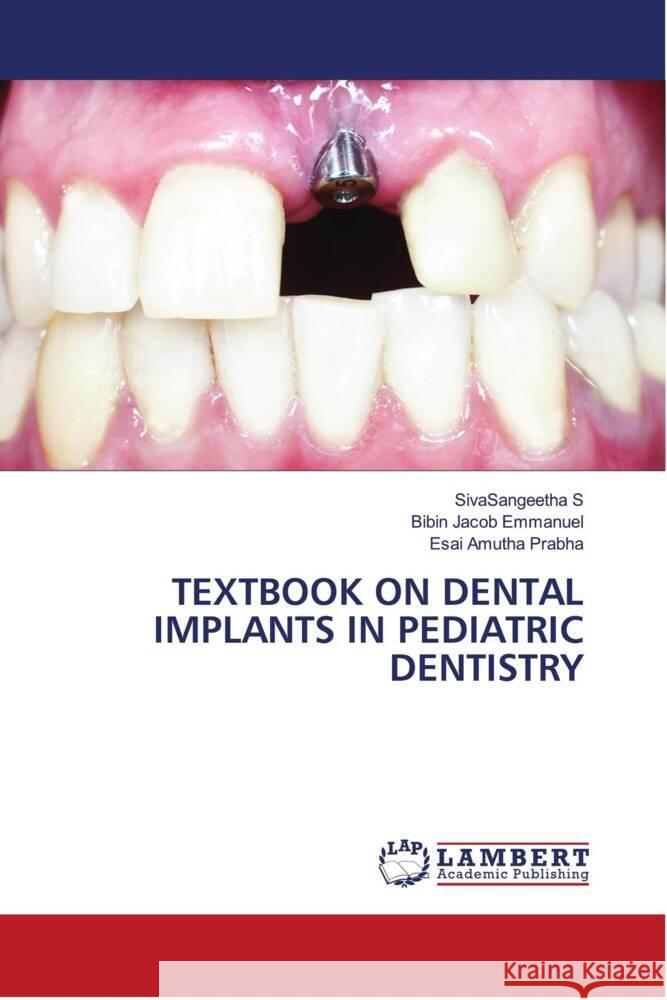
The use of osseointegrated implants has been increasingly widespread in the adult population. The success of these implants depends on a surgical / prosthetic protocol followed correctly, always taking into consideration the patient's general health, adequate bone quantity, well executed surgical technique, prosthetic planning and satisfactory oral health . The use of implants in children is less frequent and has been widely discussed because these patients are in the bone development stage. The scarcity of clinical cases reported in the literature and controversies in the use of implants at...
The use of osseointegrated implants has been increasingly widespread in the adult population. The success of these implants depends on a surgical / pr...
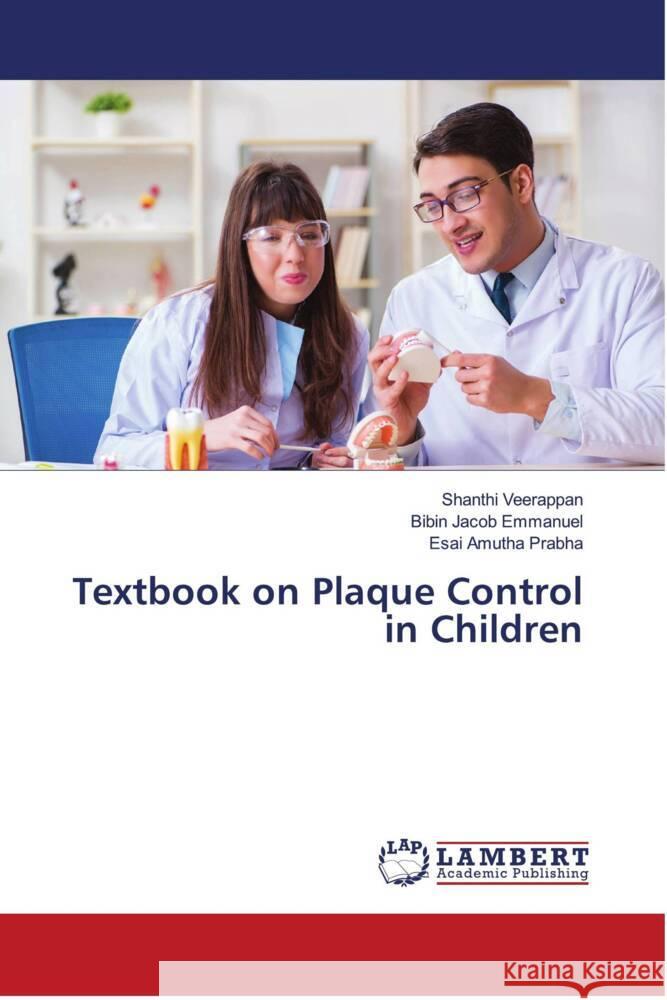
Plaque control normally means preventive measures aimed at removing dental plaque and preventing it from recurring.Oral and dental health play important roles in determining individual wellbeing and quality of life and influencing work performance and self-confidence. preventive programs based on plaque control have to be concentrated on those tooth surfaces where the risk for development or progress of dental disease. Based on epidemiological studies there is a very strong correlation between the localization of dentogingival plaque and periodontal disease. Plaque control is the removal of...
Plaque control normally means preventive measures aimed at removing dental plaque and preventing it from recurring.Oral and dental health play importa...
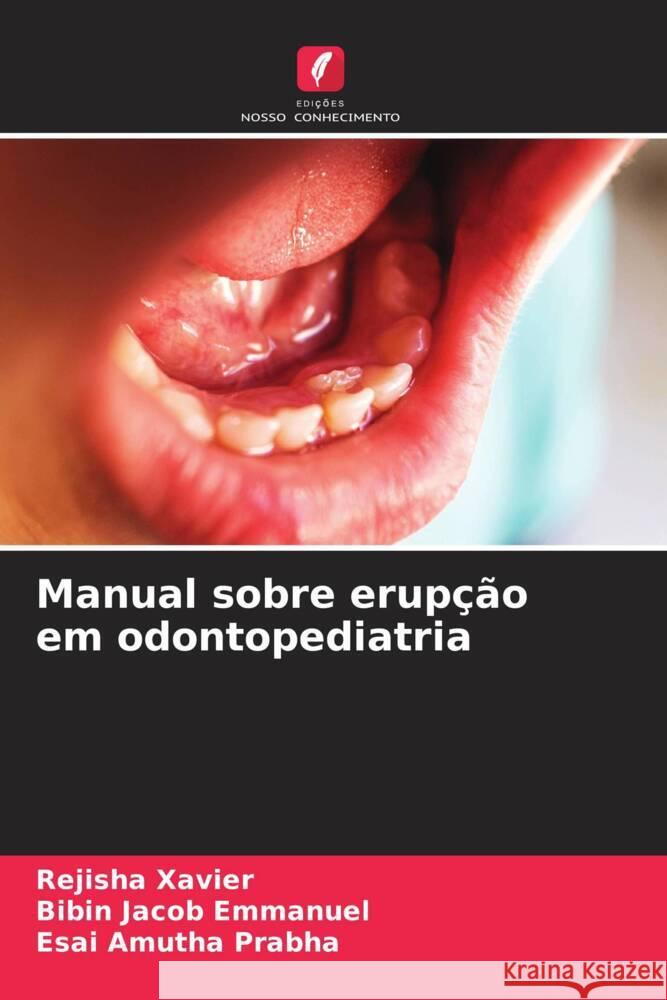
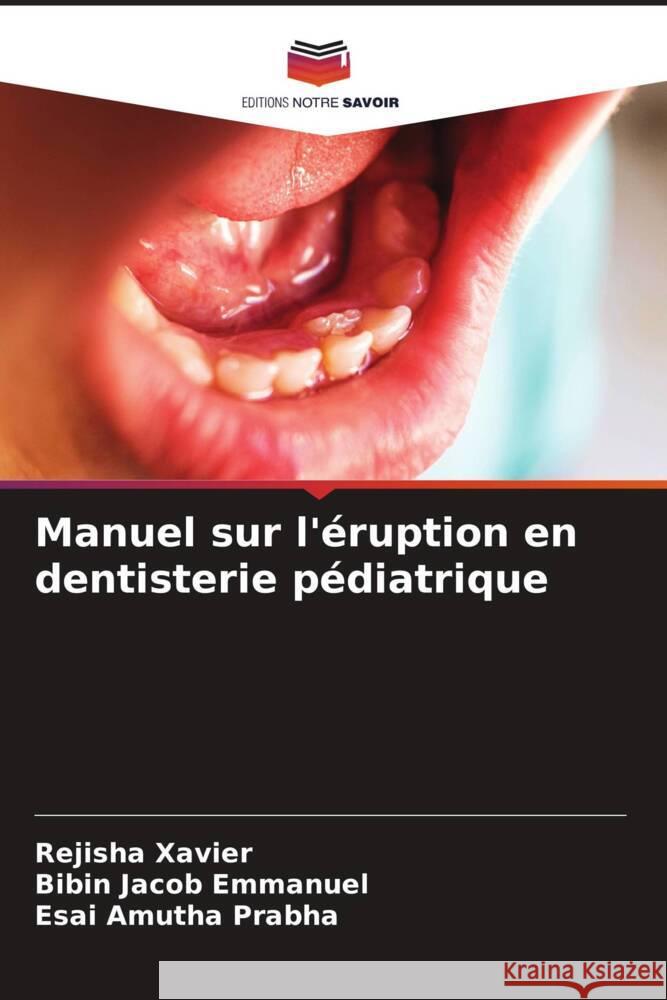
Bien que la littérature présente clairement des informations sur les âges estimés de l'histoire de l'éruption et de l'exfoliation pour la durée de vie de chaque dent primaire, il existe peu d'informations disponibles pour décrire l'histoire clinique " typique " de l'éruption pour chaque dent. La majorité des informations disponibles concernant la vitesse d'éruption ont été dérivées d'études sur la dentition permanente, les résultats étant extrapolés pour décrire la dentition primaire. L'objectif de la présente étude était de décrire la phase d'émergence de l'éruption...
Bien que la littérature présente clairement des informations sur les âges estimés de l'histoire de l'éruption et de l'exfoliation pour la durée ...