Wyszukiwanie zaawansowane
Kategorie
Kategorie BISAC
Książki na zamówienie
Promocje
Granty
Książka na prezent
Opinie
Pomoc
Załóż konto
Zaloguj się
Norman Ridley - książki
zaloguj się
|
załóż konto
koszyk
konto
szukaj
topmenu
Szukaj
Książki na zamówienie
Promocje
Granty
Książka na prezent
Moje konto
Pomoc
Wyszukiwanie zaawansowane
Pusty koszyk
Kategorie główne
•
Nauka
[2952531]
•
Literatura piękna
[1815254]
więcej...
•
Turystyka
[52246]
•
Informatyka
[151406]
•
Komiksy
[36554]
•
Encyklopedie
[23115]
•
Dziecięca
[612095]
•
Hobby
[104900]
•
AudioBooki
[1784]
•
Literatura faktu
[191556]
•
Muzyka CD
[380]
•
Słowniki
[2946]
•
Inne
[442645]
•
Kalendarze
[1505]
•
Podręczniki
[166084]
•
Poradniki
[422936]
•
Religia
[506774]
•
Czasopisma
[518]
•
Sport
[60387]
•
Sztuka
[242639]
•
CD, DVD, Video
[3428]
•
Technologie
[219359]
•
Zdrowie
[98539]
•
Książkowe Klimaty
[124]
•
Zabawki
[2509]
•
Puzzle, gry
[3809]
•
Literatura w języku ukraińskim
[261]
•
Art. papiernicze i szkolne
[8058]
Kategorie szczegółowe BISAC
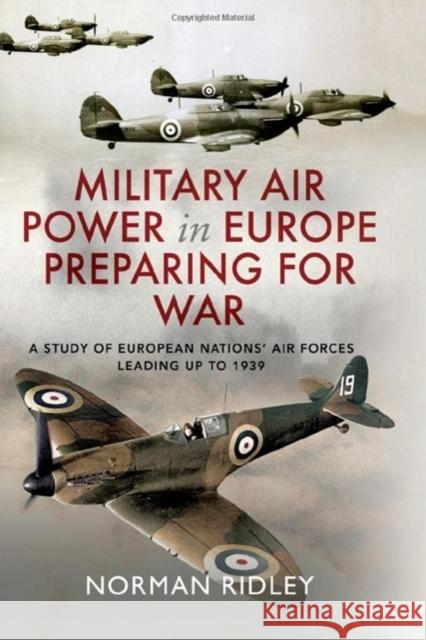
Military Air Power in Europe Preparing for War: A Study of European Nations' Air Forces Leading up to 1939
Norman Ridley
cena:
126,99
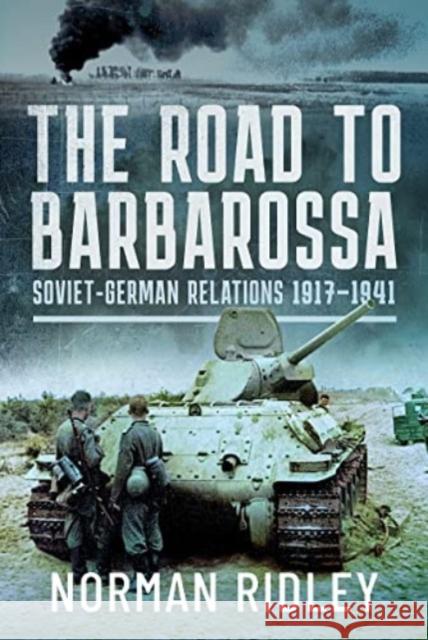
The Road to Barbarossa: Soviet-German Relations, 1917-1941
Norman Ridley
cena:
126,99
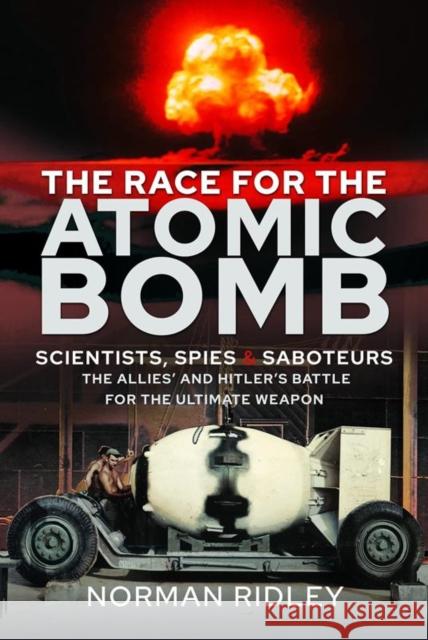
The Race for the Atomic Bomb: Scientists, Spies and Saboteurs - The Allies' and Hitler's Battle for the Ultimate Weapon
Norman Ridley
cena:
126,99
Hitler and Poland: How the Independence of one Country led the World to War in 1939
Norman Ridley
cena:
126,99
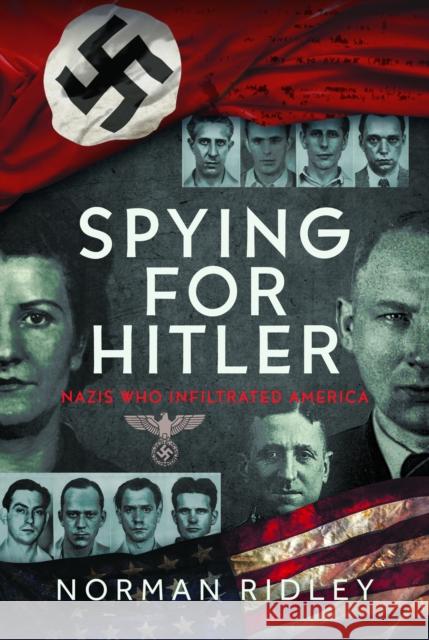
Spying for Hitler: Nazis Who Infiltrated America
Norman Ridley
cena:
126,99
Reinhard Gehlen: Hitler’s Spymaster: From the Eastern Front in WW2 to Cold War CIA Asset
Norman Ridley
cena:
126,99
The Secret War Between Hitler and Stalin: Intelligence and Counterintelligence on the Eastern Front
Norman Ridley
cena:
126,99
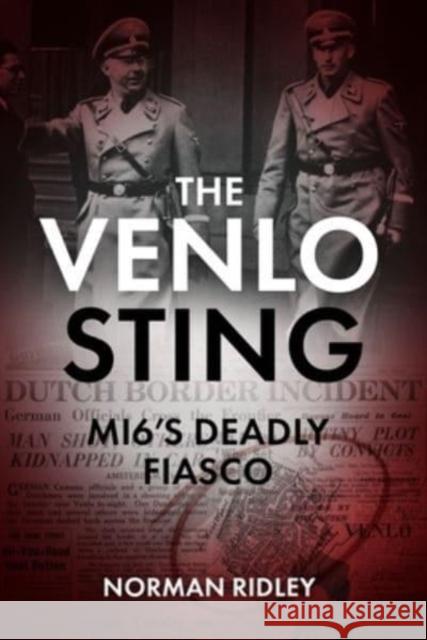
The Venlo Sting: MI6's Deadly Fiasco
Norman Ridley
cena:
148,77
ilość książek w kategorii: 18
1
2
Czytaj nas na: