The story of Venice is, to some extent, separate from that of the rest of Europe. The same could be said of the city's military history and organisation. Early in the 9th century the Venetians defeated Pepin the Frank's attempts to overawe them, and they remained, at least in theory, subject to Byzantium. Gradually, however, Venice drifted into independence; and subsequently carved out its own empire at the expense of its former Byzantine masters. The Venetians were soon famous for their roving and warlike spirit, keen business acumen and pride. This book explores the remarkable history of...
The story of Venice is, to some extent, separate from that of the rest of Europe. The same could be said of the city's military history and organisati...
Crusader castles and other fortifications in Cyprus, the south-western coast of Turkey, and Greece are among the best examples of late medieval military architecture to be seen in Europe. These important fortifications, erected by the Hospitallers during the 15th century to face the growing Ottoman Turkish threat, vary considerably from those in the Middle East. Despite there being many visible remains of fortifications in Cyprus, Greece, and the Aegean, few studies exist of these areas compared to the fortifications of the Holy Land.
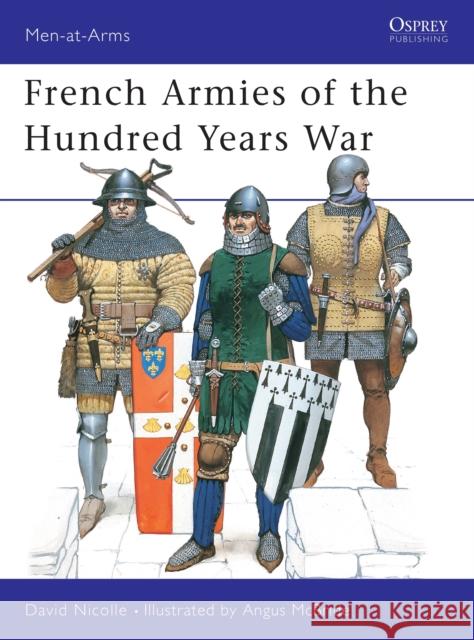
The fourteenth and fifteenth centuries were a time of great upheaval for medieval France. In 1328 the Capetian line came to an end. This was the trigger for the Hundred Years War (1337-1453) as successive English kings attempted to uphold their claim to the French throne. Catastrophic defeats at Crecy and Poitiers shook the French kingdom to its core. A period of respite followed under Bertrand du Guesclin, but an even more devastating assault was to follow, under the warrior-king par excellence Henry V, and the French disintegration continued until 1429. This book details how the French...
The fourteenth and fifteenth centuries were a time of great upheaval for medieval France. In 1328 the Capetian line came to an end. This was the trigg...
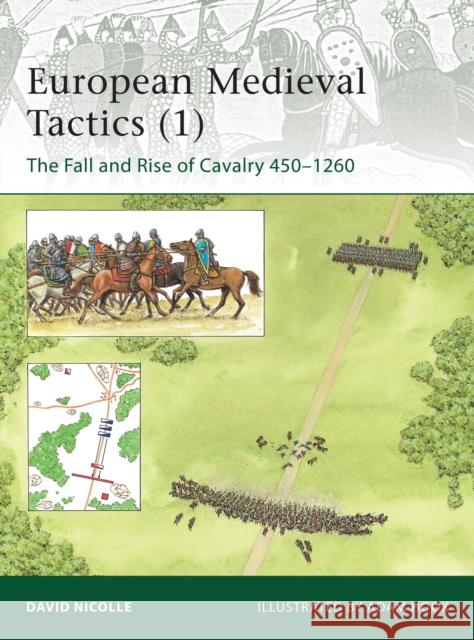
Osprey's elite title on the rise and fall of European medieval cavalry during an 800 year period. After the fall of the Western Roman Empire there was a decline in professional cavalry forces, and infantry dominated in the Germanic successor barbarian kingdoms. In the Carolingian and Norman periods from the 9th to the 11th centuries, under the impact of Viking, Saracen and Magyar advances, the cavalry arm gradually expanded from the small remaining aristocratic elite. Even so, the supposedly complete dominance of the knight in the 12th and 13th centuries is grossly exaggerated, as...
Osprey's elite title on the rise and fall of European medieval cavalry during an 800 year period. After the fall of the Western Roman Empire there ...
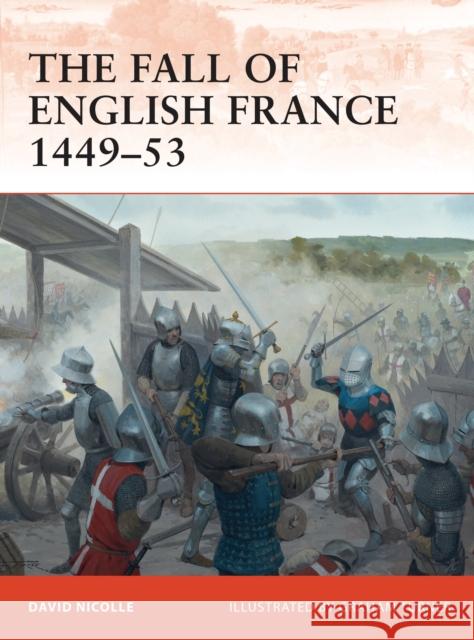
For the overwhelming majority of people outside the French-speaking world the Hundred Years War consisted of a sequence of major English victories, above all Crecy, Poitiers and Agincourt. The only significant victor or 'hero' on the French side was Joan of Arc, and she ended up being burned at the stake. Yet somehow the war ended in a French victory and with England's martial energies being turned against itself in the Wars of the Roses. This book is intended to provide some balance. It will describe the campaign that brought the Hundred Years War to a close, with English possessions being...
For the overwhelming majority of people outside the French-speaking world the Hundred Years War consisted of a sequence of major English victories, ab...
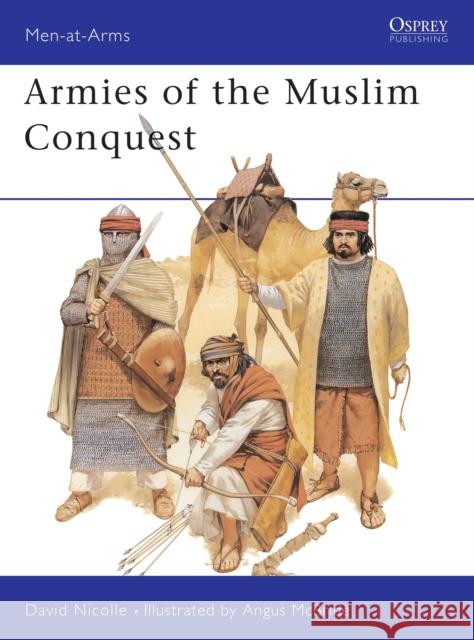
The dramatic eruption of the Arab peoples from Arabia after their adoption of the Muslim faith in the 7th century remains one of the most extraordinary events in world history. By the end of that century they ruled a state that stretched from the Atlantic to India, from southern Arabia to Central Asia, covering an area far greater than that of the Roman Empire. Therefore warfare, at least among the nomadic bedouin, was a normal aspect of life. Complemented by numerous illustrations, including eight full page colour plates by Angus McBride, this detailed text by David Nicolle tells the real...
The dramatic eruption of the Arab peoples from Arabia after their adoption of the Muslim faith in the 7th century remains one of the most extraordinar...
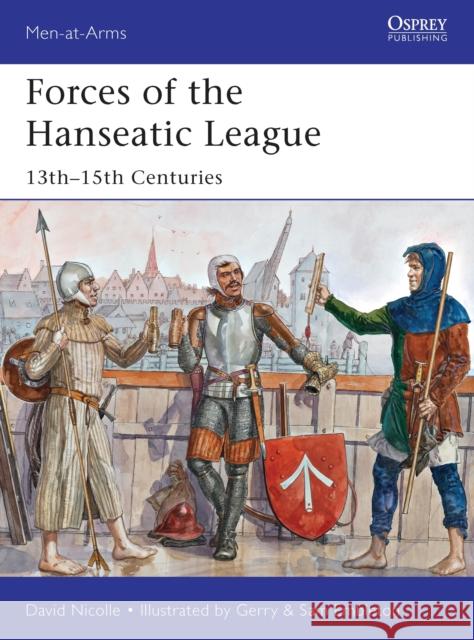
The famous but largely unchronicled Hanseatic League (or simple "the Hanse/Hansa") was a Tuetonic German commercial and defensive federation of merchant guilds based in harbor towns along the North Sea and Baltic coasts of what are now Germany and her neighbors, which eventually dominated maritime trade in Northern Europe and spread its influence much further afield. The League was formed to protect the economic and political interests of member cities throughout a vast and complex trading network. While most members remained basically subject to the local rulers who profited from their...
The famous but largely unchronicled Hanseatic League (or simple "the Hanse/Hansa") was a Tuetonic German commercial and defensive federation of mer...
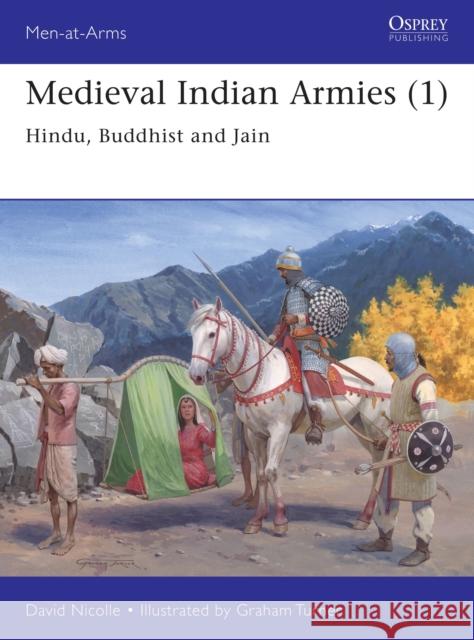
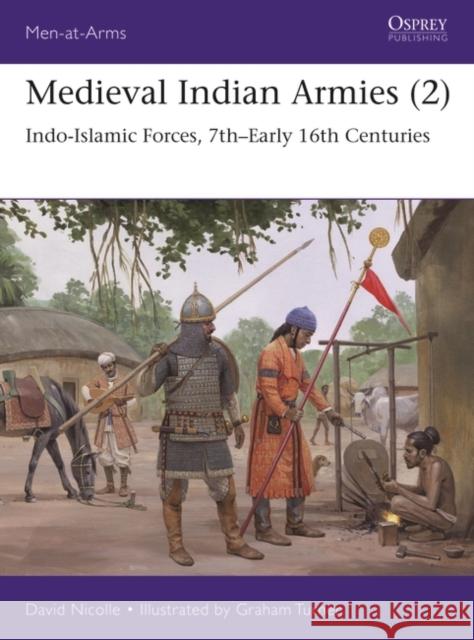
This illustrated study investigates the Indo-Islamic fighting men of South Asia from the 7th century AD to the Mughal conquest of the 16th century. From 1206, much of what is now India as well as parts of Pakistan, Bangladesh and Nepal were ruled by a succession of Islamic dynasties that had their origins in the Ghurid forces that conquered parts of northern India in the 12th century. Although it was never complete, the Islamic domination of this huge region also had a profound impact upon Islamic civilization as a whole, not least in military terms, being felt as far west as Africa. Within...
This illustrated study investigates the Indo-Islamic fighting men of South Asia from the 7th century AD to the Mughal conquest of the 16th century. F...