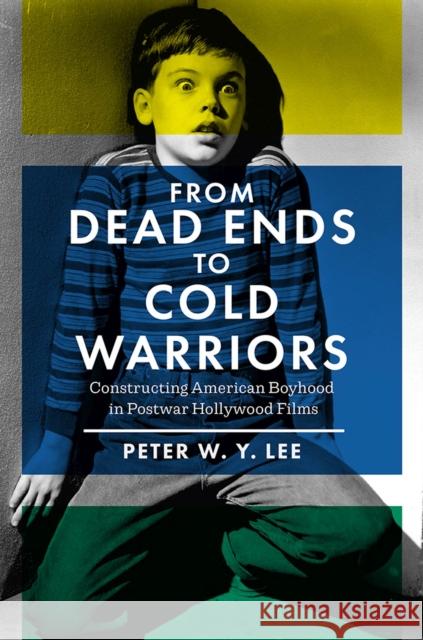
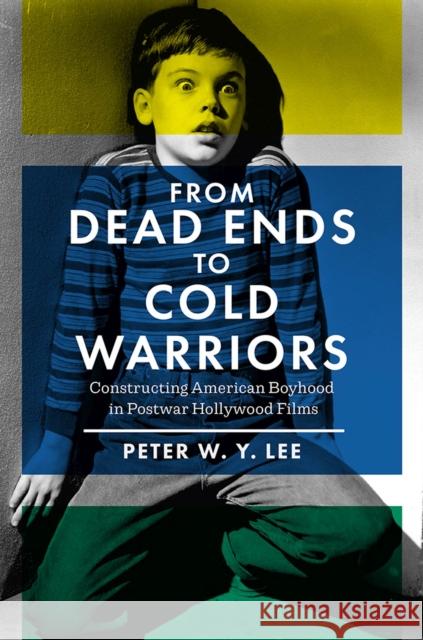
After World War II, studies examining youth culture on the silver screen start with James Dean. But the angst that Dean symbolized—anxieties over parents, the “Establishment,” and the expectations of future citizen-soldiers—long predated Rebels without a Cause. Historians have largely overlooked how the Great Depression and World War II impacted and shaped the Cold War, and youth contributed to the national ideologies of family and freedom. From Dead Ends to Cold Warriors explores this gap by connecting facets of boyhood as represented in American film from the 1930s to the postwar...
After World War II, studies examining youth culture on the silver screen start with James Dean. But the angst that Dean symbolized—anxieties over pa...
After World War II, studies examining youth culture on the silver screen start with James Dean. But the angst that Dean symbolized—anxieties over parents, the “Establishment,” and the expectations of future citizen-soldiers—long predated Rebels without a Cause. Historians have largely overlooked how the Great Depression and World War II impacted and shaped the Cold War, and youth contributed to the national ideologies of family and freedom. From Dead Ends to Cold Warriors explores this gap by connecting facets of boyhood as represented in American film from the 1930s to the postwar...
After World War II, studies examining youth culture on the silver screen start with James Dean. But the angst that Dean symbolized—anxieties over pa...