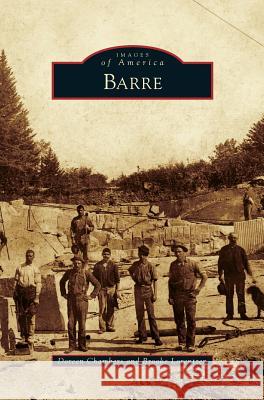
In 1788, the first settlers were drawn to the region of central Vermont now known as Barre by the area's 19,900 acres of rolling hills and valleys and its granite, water, forest, and fertile soil. The industrial growth of Barre depended on these resources. The Stevens Branch stream gave life to a number of mills, manufacturing companies, and granite-polishing works. Joshua Thwing built the first grain mill, and William Moorcroft started the first woolen mill to manufacture white flannel. The granite business began developing in 1812 and grew to be the chief industry in town, bringing...
In 1788, the first settlers were drawn to the region of central Vermont now known as Barre by the area's 19,900 acres of rolling hills and valleys and...
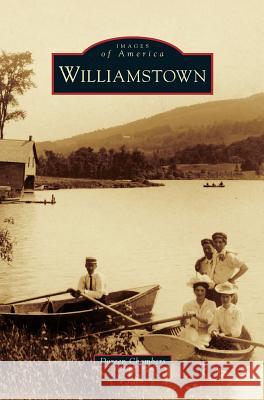
The cultural landscape of Williamstown has been strongly influenced by the settlers who traveled far and wide to get there. Originally, a large number of Scots, French Canadians, and Italian craftsmen were lured to the west hills of Vermont to take advantage of the promising granite quarries. Williamstown used many of its natural resources to develop into a small, thriving community. Today, the village still has its classic white churches and small stores where residents once gathered with their neighbors to socialize and share local news. The expanded rural areas outside the village have...
The cultural landscape of Williamstown has been strongly influenced by the settlers who traveled far and wide to get there. Originally, a large number...