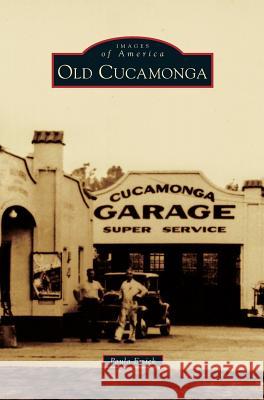
To its first inhabitants, the Tongvan Kucamonga tribe, cucamonga meant "land of many waters," referring to the area's numerous streams flowing down from the southeastern end of the San Gabriel Mountains. By the 1800s, it was a Mexican land grant named Cucamonga Rancho. Murder, drought, and foreclosure led to the subdivision of the rancho's 13,000 acres. Immigrants from around the world arrived in Cucamonga's renowned "wine valley." Italian immigrant Secundo Guasti bought a huge swath of land in southern Cucamonga and planted the world's largest vineyard. Many of Guasti's workers lived north...
To its first inhabitants, the Tongvan Kucamonga tribe, cucamonga meant "land of many waters," referring to the area's numerous streams flowing down fr...
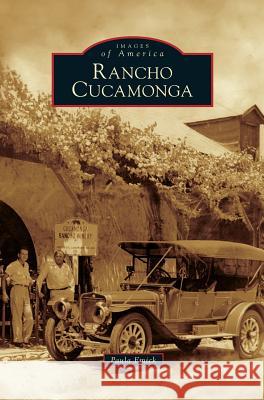
Located at the base of the San Gabriel Mountains near the southern end of the Cajon Pass, Rancho Cucamonga has served as a natural crossroads for those traveling to and from Southern California. In 1776, while freedom was being declared on the east coast of North America, Spanish explorers were meeting native Cucamonga Indians for the first time. From that point on, Spanish missionaries, pioneers, gold miners, immigrants, settlers, and businessmen traveled through Cucamonga on the Mojave Trail, the Old Spanish Trail, the Santa Fe Trail, El Camino Real, and more recently, former U.S. Route 66....
Located at the base of the San Gabriel Mountains near the southern end of the Cajon Pass, Rancho Cucamonga has served as a natural crossroads for thos...