Nicholas P. (Professor of Botany and Western Program Director, Miami University, Oxford, Ohio) Money
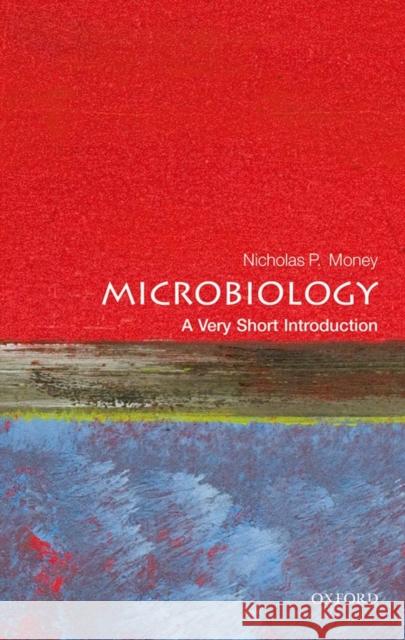
In recent decades we have come to realize that the microbial world is hugely diverse, and can be found in the most extreme environments. Fungi, single-celled protists, bacteria, archaea, and the vast array of viruses and sub-viral particles far outnumber plants and animals. Microbes, we now know, play a critical role in ecosystems, in the chemistry of atmosphere and oceans, and within our bodies. The field of microbiology, armed with new techniques from molecular biology, is now one of the most vibrant in the life sciences. In this Very Short Introduction Nicholas P. Money explores not...
In recent decades we have come to realize that the microbial world is hugely diverse, and can be found in the most extreme environments. Fungi, single...
Nicholas P. (Professor of Botany and Western Program Director, Miami University, Oxford, Ohio) Money
The variety of the mycological world is far greater than most people imagine. Tens of thousands of fungal species have been described and many more are known only from the abundance of their genes in soil and water. Fungi are hugely important as agents of wood decay in forests, and, as parasites, they have caused the deaths of millions of people by ravaging crops and reshaping our natural ecosystems. Fungi also perform a variety of essential functions in ecosystems, and are important to both agriculture and biotechnology. Their importance is now becoming greatly appreciated among...
The variety of the mycological world is far greater than most people imagine. Tens of thousands of fungal species have been described and many more ar...