Sue Glover (1943 - ) began writing plays in the 1970s, making her stage debut at the Little Lyceum in 1980 with The Seal Wife, her first full-length play, in which many of the recurring features and concerns of her work are to be found: the influence of oral culture and folklore, and the re-examination of history, legend and myth from a female perspective. John Hodgart's Scotnote examines two of Sue Glover's plays, Bondagers and The Straw Chair. Both plays can be seen in the context of a very strong tradition of modern Scottish feminist drama which includes the work of Ena Lamont Stewart,...
Sue Glover (1943 - ) began writing plays in the 1970s, making her stage debut at the Little Lyceum in 1980 with The Seal Wife, her first full-length p...
Ena Lamont Stewart (1912-2006) had a keen sense of the appalling poverty and deprivation suffered by the residents of Glasgow's slum tenements in the first half of the twentieth century. A member of the radical group of young writers and artists gathered around Glasgow's Unity Theatre in the immediate aftermath of the Second World War, she is today most noted for her play Men Should Weep, set in the East End of Glasgow in the 1930s. John Hodgart's Scotnote explores how the play deals with issues of poverty and sexual and social inequality. This study guide examines the roles of the individual...
Ena Lamont Stewart (1912-2006) had a keen sense of the appalling poverty and deprivation suffered by the residents of Glasgow's slum tenements in the ...
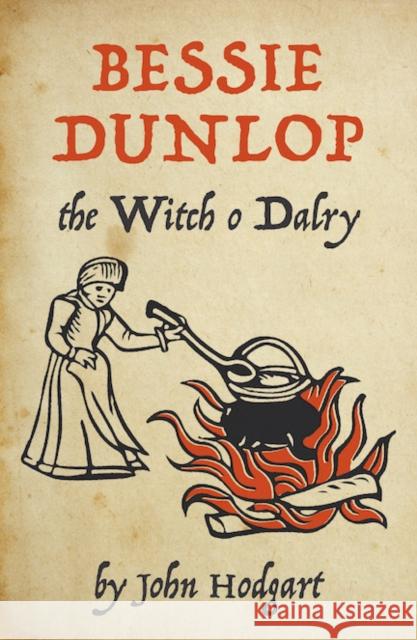
Bessie Dunlop, the Witch o Dalry is a three-act play for schools suitable for BGE and S3-S4 students. The language of the play introduces students to different levels and varieties of Scots and English, and the book also contains teaching notes, suggestions for classroom activities, and questions for discussion or writing.
Bessie Dunlop, the Witch o Dalry is a three-act play for schools suitable for BGE and S3-S4 students. The language of the play introduces students to ...