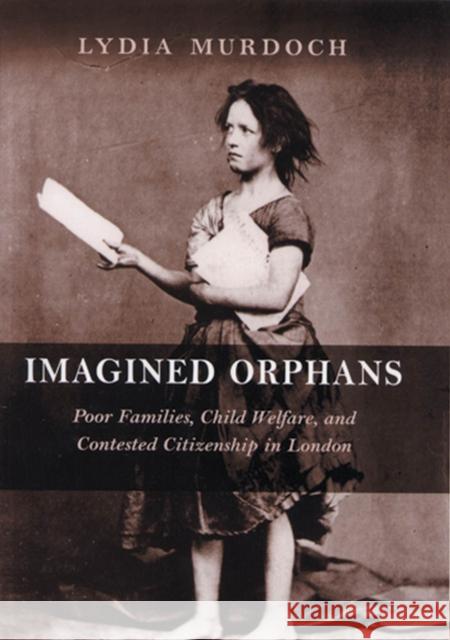
With his dirty, tattered clothes and hollowed-out face, Oliver Twist is the enduring symbol of the young indigent spilling out of orphanages and haunting the streets of late-nineteenth-century London. Although poor children were often portrayed as real-life Oliver Twists--either orphaned or abandoned by unworthy parents--they in fact frequently maintained contact and were eventually reunited with their families. In Imagined Orphans, Lydia Murdoch focuses on this discrepancy between the representation and the reality of children's experiences within welfare institutions--a...
With his dirty, tattered clothes and hollowed-out face, Oliver Twist is the enduring symbol of the young indigent spilling out of orphanages and haunt...
Explores the complexities of the lived experiences of Victorian women in the home, the workplace, and the empire as well as the ideals of womanhood and femininity that developed during the 19th century.
Contrary to popular misconception, many Victorian women performed manual labor for wages directly alongside men, had political voice before women's suffrage, and otherwise contributed significantly to society outside of the domestic sphere. Daily Life of Victorian Women documents the varied realities of the lives of Victorian women; provides in-depth comparative analysis of the...
Explores the complexities of the lived experiences of Victorian women in the home, the workplace, and the empire as well as the ideals of womanhood...