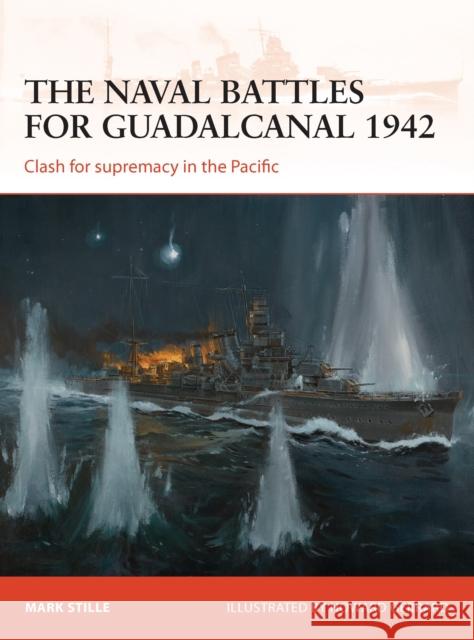
The battle for Guadalcanal that lasted from August 1942 to February 1943 was the first major American counteroffensive against the Japanese in the Pacific, it also marks the high point of Japanese expansion and can justly be claimed as one of the major turning points of the Pacific War. While the troops of the US Marine Corps and later the US Army battled the Japanese occupiers on the densely jungled island of Guadalcanal, the US and Japanese naval forces fought a series of tightly contested battles in the waters nearby. The first of these, the battle of Savo Island on the night of 9 August...
The battle for Guadalcanal that lasted from August 1942 to February 1943 was the first major American counteroffensive against the Japanese in the Pac...
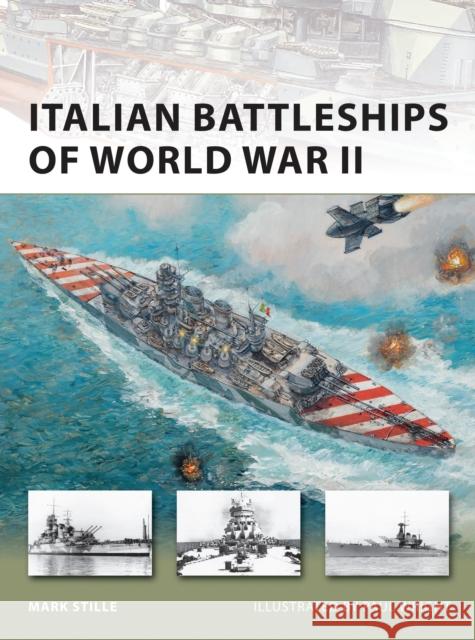
Often overlooked as a naval power of WWII, Italy's Regia Marina was, upon the declaration of war against France, the fourth largest navy in the world. Despite its numbers, the Italian fleet was made up of largely obsolete vessels, none being equipped with radar, and had a reputation for having inadequately-trained crews. Added to these drawbacks, the Italian commanders did not enjoy the discretion of command at sea that their counterparts in the service of other nations did, being directed closely by the Supermarina (Italian Naval Headquarters). Despite these obstacles, and the heavy losses...
Often overlooked as a naval power of WWII, Italy's Regia Marina was, upon the declaration of war against France, the fourth largest navy in the world....
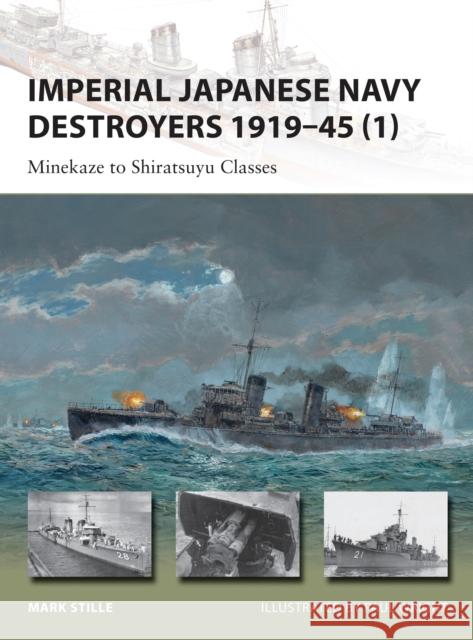
During the Pacific War, arguably the most successful component of the Imperial Japanese Fleet was its destroyer force. These ships were generally larger than their Allied counterparts and were better armed in most cases. Armed with a large, long-range torpedo (eventually called Long Lance by the Allies), these ships proved themselves as formidable opponents. In the first part of the war, Japanese destroyers were instrumental in an unbroken string of Japanese victories. However, it was not until the Guadalcanal campaign that these ships fully demonstrated their power. In a series of night...
During the Pacific War, arguably the most successful component of the Imperial Japanese Fleet was its destroyer force. These ships were generally l...
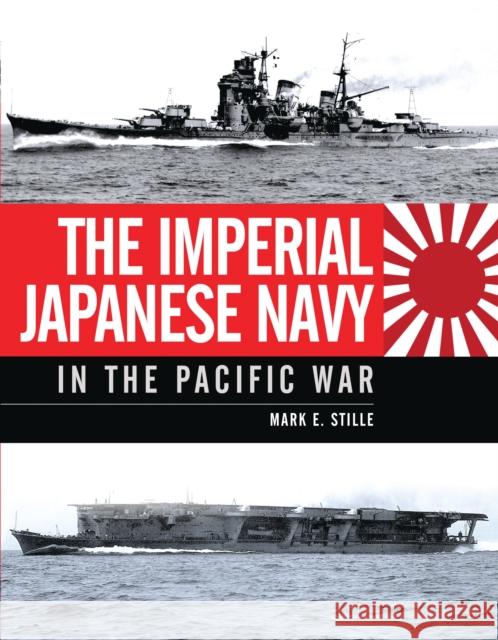
From the stunning victory at Pearl Harbor to its dramatic reversal at Midway, the Imperial Japanese Navy swept all before it in its numerous victories in the Pacific and Far Eastern waters. The Imperial Japanese Navy in the Pacific War pulls from many of Osprey's bestselling books on the subject in addition to the most recent research on the subject, including many sources from Japan, and is the most recent and accurate book on this fascinating force.
Even after its setback at midway, the IJN remained a powerful force and inflicted sever setbacks on the US Navy at Guadalcanal and...
From the stunning victory at Pearl Harbor to its dramatic reversal at Midway, the Imperial Japanese Navy swept all before it in its numerous victor...
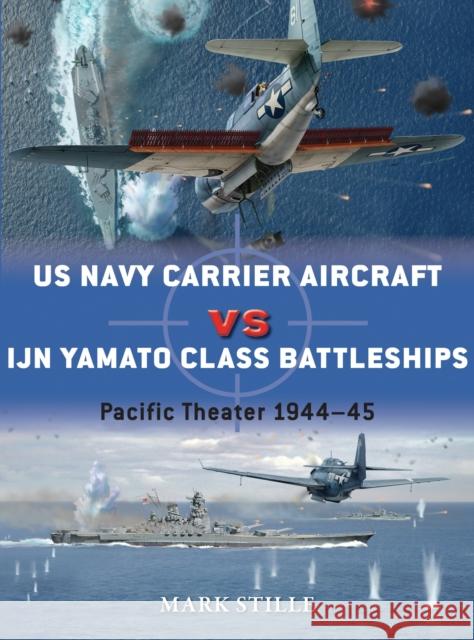
As the Pacific War approached a crescendo, the clashes between swarming US Navy carrier aircraft, and the gigantic Imperial Japanese Navy (IJN) Yamato-class battleships became symbolic of the fortunes of the two nations. They also served as a metaphor for the profound changes in naval technology and doctrine that the war had brought about. The two opposing forces were the most powerful of their kind - the Japanese Yamato and Musashi were the biggest most heavily armored and armed battleships ever built, while US carrier aviation had evolved into a well-oiled, war-winning machine. With...
As the Pacific War approached a crescendo, the clashes between swarming US Navy carrier aircraft, and the gigantic Imperial Japanese Navy (IJN) Yamato...
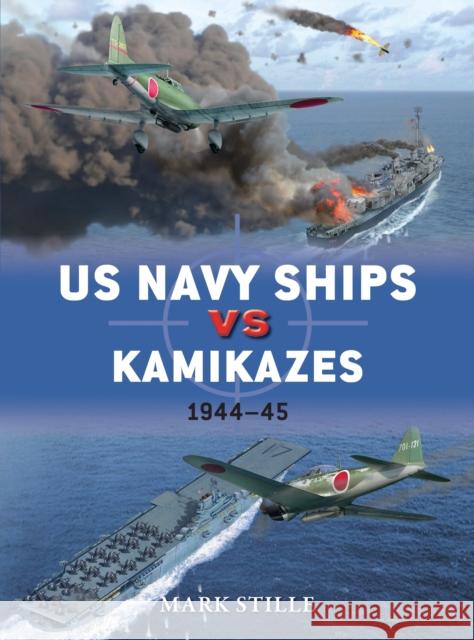
The ineffectiveness of conventional air attacks on U.S. Navy surface ships, particularly heavily defended targets such as carrier task groups, forced the Japanese to reevaluate their tactics in late 1944. The solution they arrived at was simple: crash their aircraft into American ships. This notion of self-sacrifice fit well within the Japanese warrior psyche and proved terrifying to the American sailors subjected to it. These tactics brought immediate results, and proved effective until the end of the war.
This book examines this terrifying new way of waging war, revealing how the...
The ineffectiveness of conventional air attacks on U.S. Navy surface ships, particularly heavily defended targets such as carrier task groups, forc...
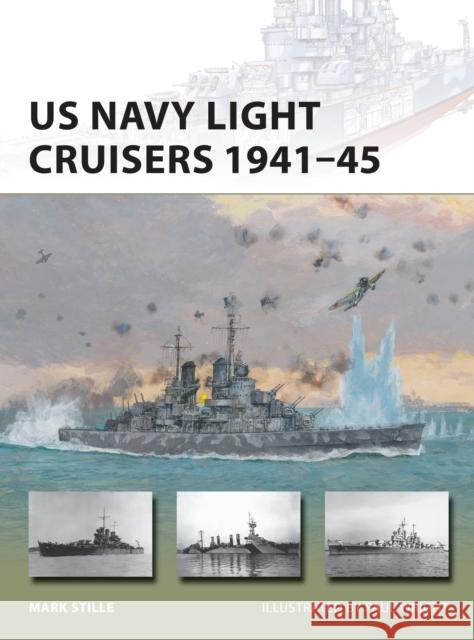
During World War II, the United States built 72 light cruisers of various classes. In response to the severe air threat that surface ships faced, new cruisers were designed with increasingly heavy antiaircraft weaponry as well as the traditional six-inch guns. With the speed and range to keep up with aircraft carriers, and their considerable antiaircraft capability, they were a mainstay of the carrier escorts.
This book examines every US light cruiser produced, including those of the Fargo and Worcester classes--which were actually completed after World War II had ended--tracing...
During World War II, the United States built 72 light cruisers of various classes. In response to the severe air threat that surface ships faced, n...
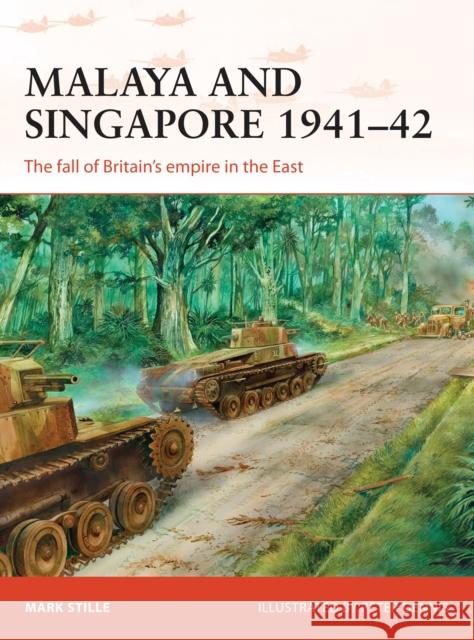
For the British Empire it was a military disaster, but for Imperial Japan the conquest of Malaya was one of the pivotal campaigns of World War II. Giving birth to the myth of the Imperial Japanese Army's invincibility, the victory left both Burma and India open to invasion. Although heavily outnumbered, the Japanese Army fought fiercely to overcome the inept and shambolic defense offered by the British and Commonwealth forces.
Detailed analysis of the conflict, combined with a heavy focus on the significance of the aerial campaign, help tell the fascinating story of the Japanese...
For the British Empire it was a military disaster, but for Imperial Japan the conquest of Malaya was one of the pivotal campaigns of World War II. ...
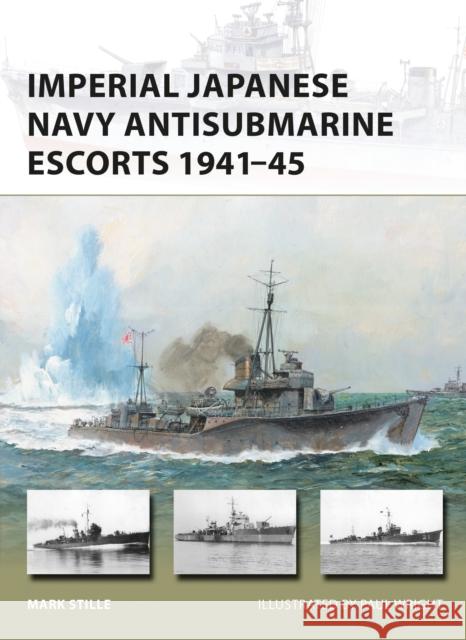
In 1941, the Imperial Japanese Navy (IJN) went to war with a marginal anti-submarine warfare (ASW) capability. This was a lamentable state of affairs for a nation dependent upon imports to sustain its war economy. There were only a few purpose-built ASW escorts available at the start of the war and these were augmented by a handful of second-class destroyers and a dozen torpedo boats. Once the magnitude of the threat to Japan's shipping became fully apparent in 1943, the IJN made plans for mass production of ASW escorts. These arrived in 1944, but could not stop the massacre of Japanese...
In 1941, the Imperial Japanese Navy (IJN) went to war with a marginal anti-submarine warfare (ASW) capability. This was a lamentable state of affai...
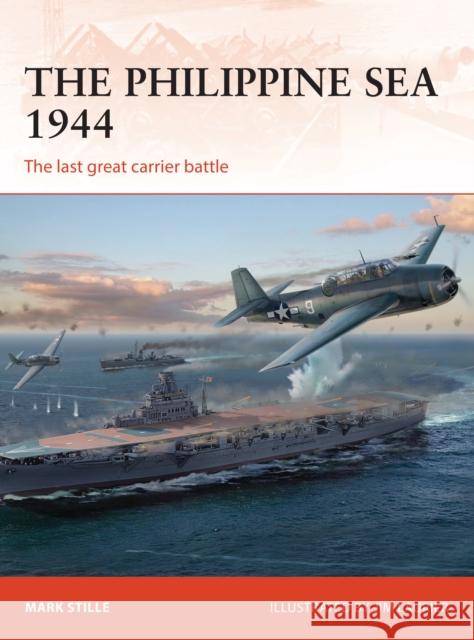
After suffering devastating losses in the huge naval battles at Midway and the Soloman Islands, the Imperial Japanese navy attempted to counter-attack against the US forces threatening the Home Islands. Involving the US Fifth Fleet and the Japanese Mobile Fleet, the battle of the Philippine Sea took place during the United States' amphibious invasion of the Mariana Islands during the Pacific War.
The two fleets clashed on June 19-20, 1944 and the Japanese carrier fighters were shot down in devastating numbers by US aircraft in what became known as the "Great Marianas Turkey Shoot,"...
After suffering devastating losses in the huge naval battles at Midway and the Soloman Islands, the Imperial Japanese navy attempted to counter-att...