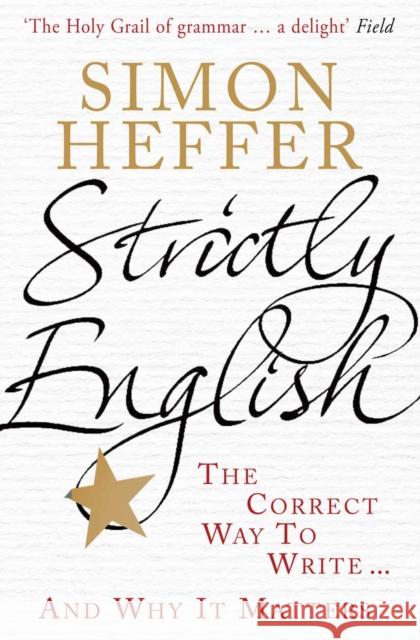
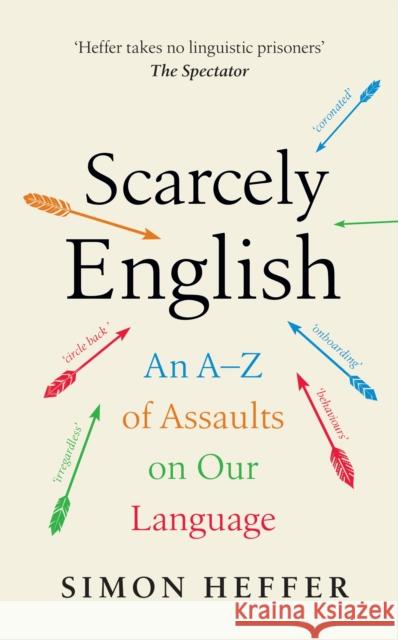
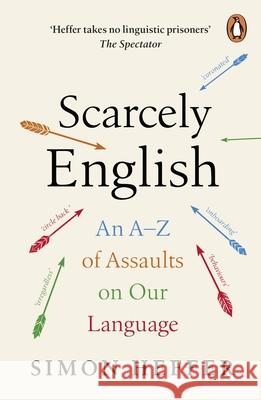
""Be in no doubt: the beer was drunk but the man drank the beer."" A master English stylist shows how it's done. Simon Heffer's incisive and amusingly despairing emails to colleagues at the" "the" Daily" "Telegraph" about grammatical mistakes and stylistic slips have found their way on to the internet and have attracted a growing band of ardent fans over recent years. Now he makes an impassioned case for an end to the sloppiness that has become a hallmark of everyday speech and writing, and shows how accuracy and clarity are within the grasp of anyone who is prepared to take the time to...
""Be in no doubt: the beer was drunk but the man drank the beer."" A master English stylist shows how it's done. Simon Heffer's incisive and amusin...
From Macaulay in the 19th century to Fukuyama in the late 20th, historians have often been lulled into thinking that things can only get better. Such belief in progress, argues leading political commentator Simon Heffer, may be typical of times of plenty, but it ignores a less palatable truth: that, since the beginnings of recorded history, the major events in international relations can be attributed to a single cause, the desire by rulers to assert or protect their power. Taking a panoramic view from the days of Thucydides up to the present, Heffer offers a fourfold analysis of the motive...
From Macaulay in the 19th century to Fukuyama in the late 20th, historians have often been lulled into thinking that things can only get better. Such ...
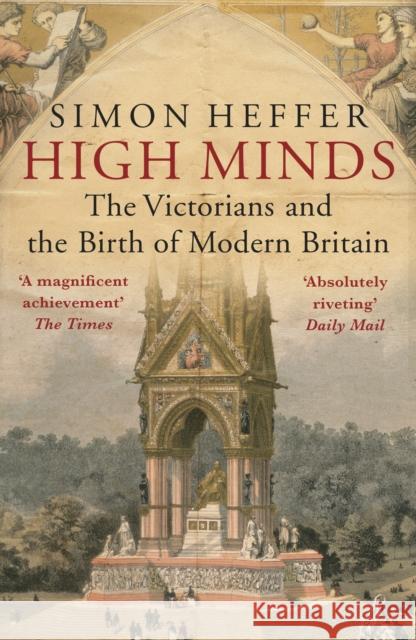
England in the 1880s was a powerhouse of change, transformed not just by industrialisation but by new attitudes to learning, to politics and to society as a whole. This book explores this process of transformation.
England in the 1880s was a powerhouse of change, transformed not just by industrialisation but by new attitudes to learning, to politics and to societ...
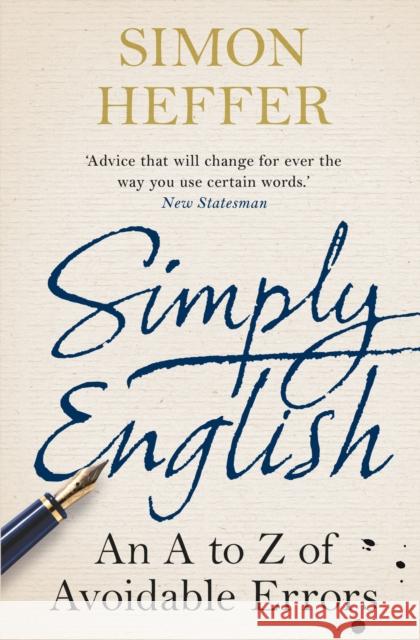
The author of the best-selling "Strictly English "wages war on bad English. In his best-selling "Strictly English" Simon Heffer explained how to write and speak our language well. In "Simply English" he offers an entertaining and supremely useful A-Z guide to frequent errors, common misunderstandings and stylistic howlers. What is the difference between "amend" and "emend," between "imply "and "infer," and between "uninterested" and "disinterested"? When should one put "owing" to rather than "due to"? Why should the temptation to write "actually," "basically" or at this moment in time...
The author of the best-selling "Strictly English "wages war on bad English. In his best-selling "Strictly English" Simon Heffer explained how to wr...
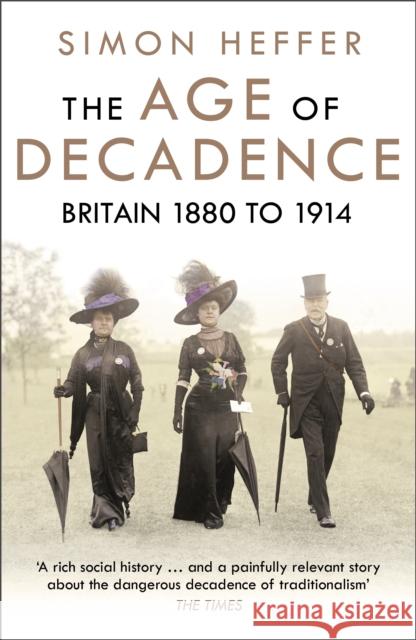
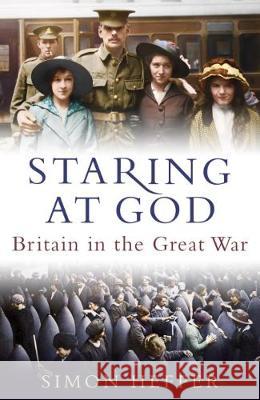
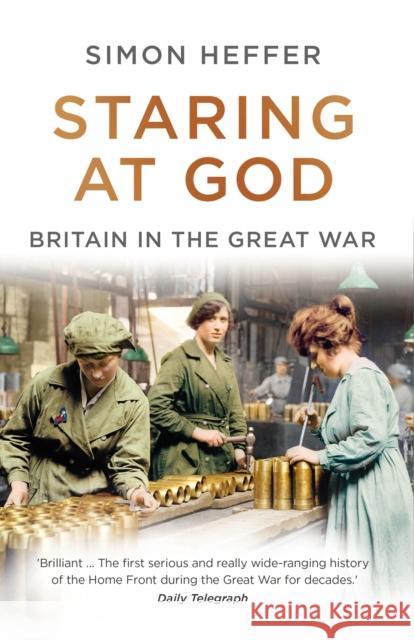
Masterly.' - CHARLES VYVYAN, STANDPOINT 'Fascinating stuff.' - SPECTATOR 'Possibly the finest, most comprehensive analysis of the home front in the Great War ever produced.' - LITERARY REVIEW 'Every bit as good as its two predecessors.
Masterly.' - CHARLES VYVYAN, STANDPOINT 'Fascinating stuff.' - SPECTATOR 'Possibly the finest, most comprehensive analysis of the home front in the ...
Masterly.' - CHARLES VYVYAN, STANDPOINT'Fascinating stuff.' - SPECTATOR'Possibly the finest, most comprehensive analysis of the home front in the Great War ever produced.' - LITERARY REVIEW'Every bit as good as its two predecessors.
Masterly.' - CHARLES VYVYAN, STANDPOINT'Fascinating stuff.' - SPECTATOR'Possibly the finest, most comprehensive analysis of the home front in the Grea...