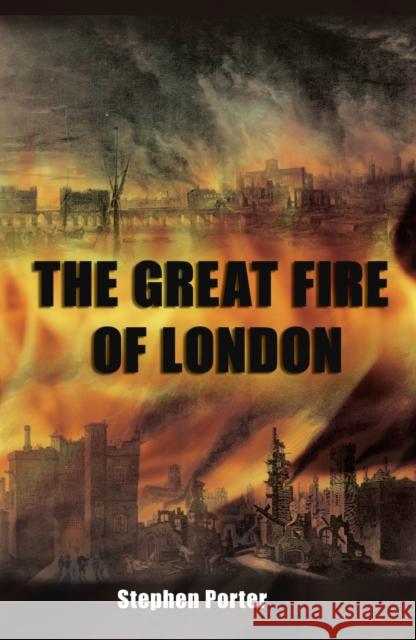
The Great Fire of London was the greatest catastrophe of its kind in Western Europe. Although detailed fire precautions and firefighting arrangements were in place, the fire raged for four days and destroyed 13,200 houses, 87 churches, and 44 of the City of London's great livery halls. The great fire of 1666 closely followed by the great plague of 1665; as the antiquary Anthony Wood wrote left London "much impoverished, discontented, afflicted, cast downe." In this comprehensive account, Stephen Porter examines the background to 1666, events leading up to and during the fire, the proposals to...
The Great Fire of London was the greatest catastrophe of its kind in Western Europe. Although detailed fire precautions and firefighting arrangements ...
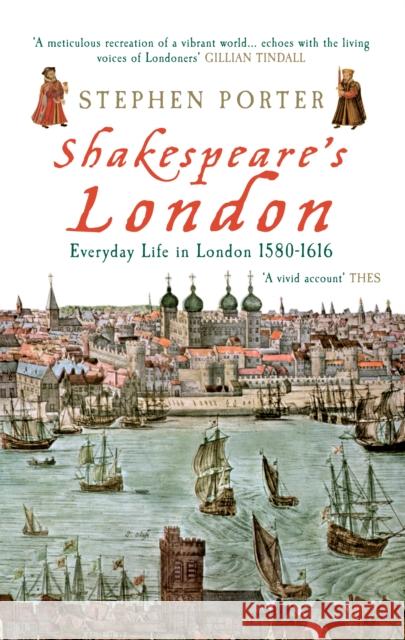
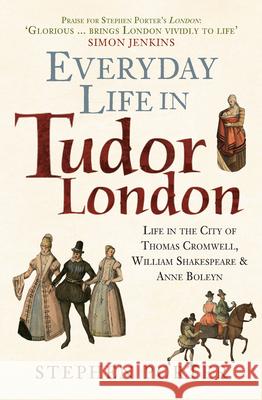
Everyday life in the teeming metropolis during William Shakespeare's time in the city. Shakespeare's London was a bustling, teeming metropolis that was growing so rapidly that the government took repeated, and ineffectual, steps to curb its expansion. From contemporary letters, journals and diaries, a vivid picture emerges of this fascinating city, with its many opportunities and also its persistent problems. By far the largest city in the country, it was the centre of government, the law and the church, the focus of politics and culture. It had a vigorous economy, with a range of industries...
Everyday life in the teeming metropolis during William Shakespeare's time in the city. Shakespeare's London was a bustling, teeming metropolis that wa...
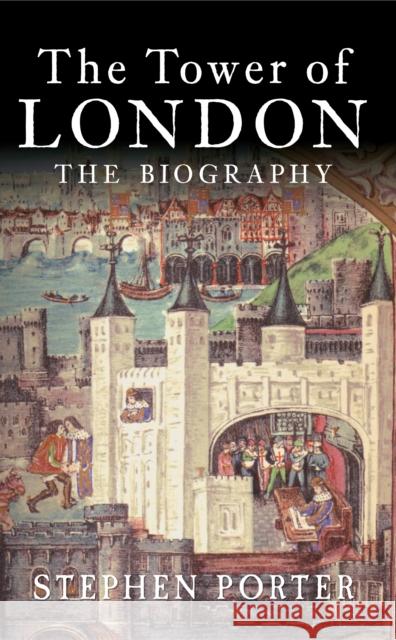
The Tower of London is an icon of England's history. William the Conqueror built the White Tower after his invasion and conquest in 1066 to dominate London, and it has become infamous as a place of torture, execution and murder. The deaths of royals attracted most attention: the murder of the Princes in the Tower, the beheading of Henry VIII's wives Anne Boleyn and Katherine Howard, and Lady Jane Grey, Henry's great-niece, and queen for just nine days. Few prisoners recorded their experiences, but John Gerard, a Catholic priest imprisoned during Elizabeth I's reign, wrote of being questioned...
The Tower of London is an icon of England's history. William the Conqueror built the White Tower after his invasion and conquest in 1066 to dominate L...
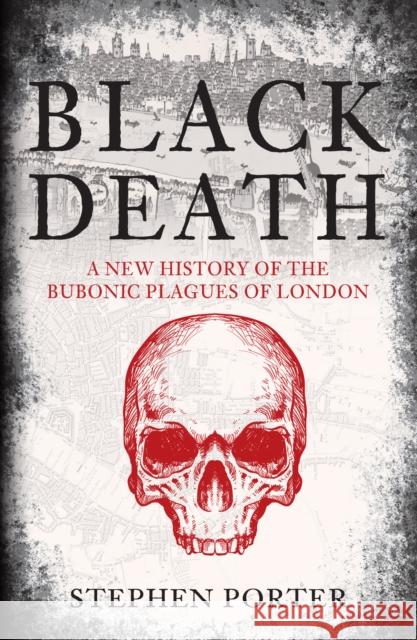
Evidence of the foulness and cruelty of the greatest catastrophe ever to hit London is still being unearthed under the streets of the capital today. The fresh plague pits containing thousands of skeletons uncovered during the construction of Crossrail are a reminder of the painful, drawn-out death suffered by Londoners as pustules and abscesses broke out all over their bodies. Plague has been a scourge of mankind since its onset in the sixth century. Its distinctive and repulsive symptoms, the excruciatingly painful effects inflicted on its victims, with a very high mortality rate, evoked a...
Evidence of the foulness and cruelty of the greatest catastrophe ever to hit London is still being unearthed under the streets of the capital today. T...