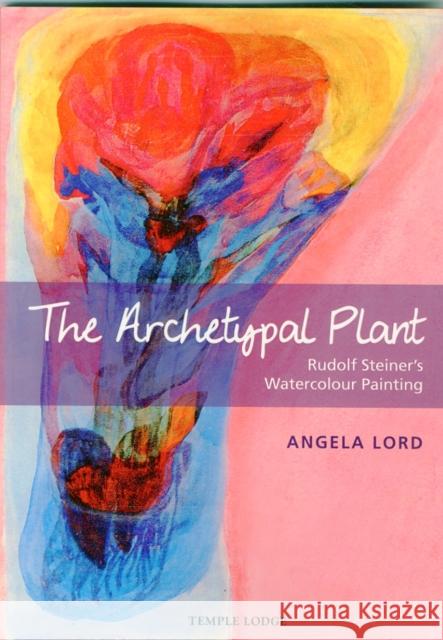
Rudolf Steiner painted his "Archetypal Plant" watercolor in 1924, when contemporary scientific methodologies were emerging and nature was being examined under the microscope. In contrast to the dissecting, analytical tendencies of natural science, however, Steiner's painting depicts the living, dynamic potential behind the plant--lifting us out of the specific genus and providing an image of the growing, formative forces inherent within each individual plant. Researching Steiner's painting of the archetypal plant can help reconnect our outer sense perceptions with the inner realm of...
Rudolf Steiner painted his "Archetypal Plant" watercolor in 1924, when contemporary scientific methodologies were emerging and nature was being examin...
Creative form drawing is a fascinating and meaningful artistic activity for health and wellbeing. It helps with focus and is fun. It engages the right brain by getting into the flow of color, form, and movement. It offers the opportunity for personal creativity, using stunning, colorful forms to stimulate originality. Creative form drawing can be energizing and relaxing, calming and enlivening, and a valuable aid to harmonizing body and soul.
This first creative form drawing book for adults features fourfold patterns of increasing challenge, featuring Celtic, Moorish,...
Creative form drawing is a fascinating and meaningful artistic activity for health and wellbeing. It helps with focus and is fun. It engages the ri...
Why creative form drawing with Children? The purpose, benefits and learning outcomes for children. Form drawing and countering screen effects. Origins and development. Rudolf Steiner's original exercises.
Why creative form drawing with Children? The purpose, benefits and learning outcomes for children. Form drawing and countering screen effects. Origins...