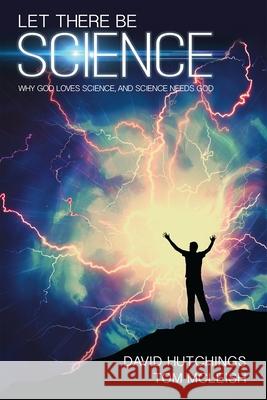
Why is it that science has consistently thrived wherever the Christian faith can be found? Why is it that so many great scientists--past and present--attribute their motivation and their discoveries, at least partially, to their Christian beliefs? Why are the age-old writings of the Bible so full of questions about natural phenomena? And, perhaps most importantly of all, why is all this virtually unknown to the general public? Too often, it would seem, science has been presented to the outside world as a robotic, detached, unemotional enterprise. Too often, Christianity is dismissed as being...
Why is it that science has consistently thrived wherever the Christian faith can be found? Why is it that so many great scientists--past and present--...
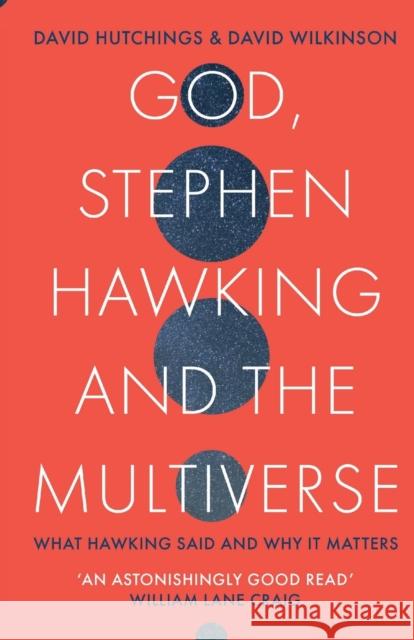
Hutchings and Wilkinson explain the key elements of Stephen Hawking's physical and mathematical theories, consider their philosophical and religious implications, and relate his ideas to traditional Judaeo-Christian concepts of God.
Hutchings and Wilkinson explain the key elements of Stephen Hawking's physical and mathematical theories, consider their philosophical and religious i...