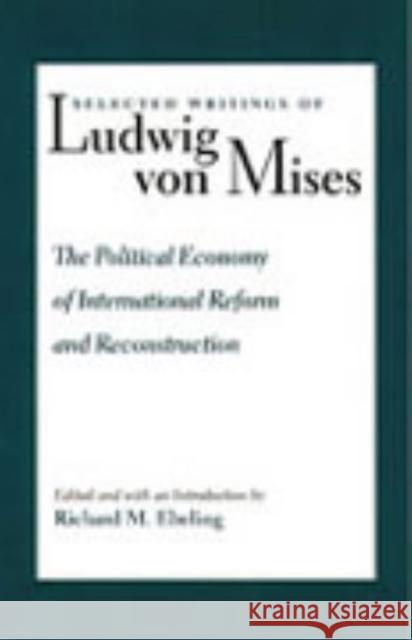
When he fled Austria in 1934, Ludwig von Mises left behind a wealth of writings that, he supposed, were lost forever. Seized by the Nazi Gestapo, the papers were subsequently captured by the Soviet KGB and were archived in Moscow. This volume features works that Mises wrote from 1940 through 1944, when much of the world was at war.
When he fled Austria in 1934, Ludwig von Mises left behind a wealth of writings that, he supposed, were lost forever. Seized by the Nazi Gestapo, the ...
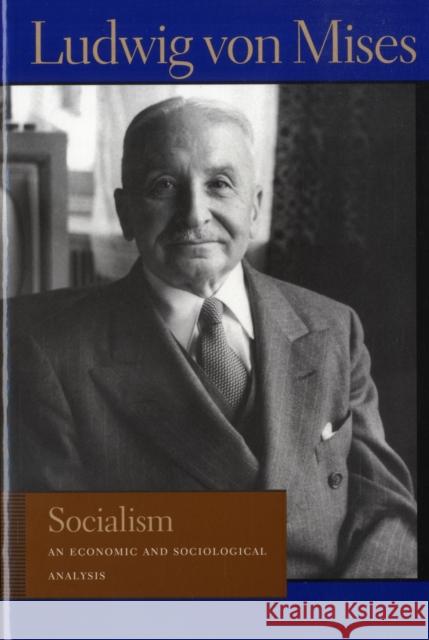
"This book must rank as the most devastating analysis of socialism yet penned. . . . An economic classic in our time."Henry HazlittMore than thirty years ago F. A. Hayek said of "Socialism: " "It was a work on political economy in the tradition of the great moral philosophers, a Montesquieu or Adam Smith, containing both acute knowledge and profound wisdom. . . . To none of us young men who read the book when it appeared was the world ever the same again."This is a newly annotated edition of the classic first published in German in 1922. It is the definitive refutation of nearly every type of...
"This book must rank as the most devastating analysis of socialism yet penned. . . . An economic classic in our time."Henry HazlittMore than thirty ye...
When Ludwig von Mises wrote The Theory of Money and Credit at the age of thirty-one, the world of economic thought was full of contending monetary theories, none of which could be considered truly united, in the sense of being at once securely founded on economic reality and also properly incorporated into an analysis of the entire economic system.
This landmark book changed that for good. The Theory of Money and Credit integrated monetary theory into the main body of economic analysis for the first time, providing fresh, new insights into the nature of money and its role in the economy and...
When Ludwig von Mises wrote The Theory of Money and Credit at the age of thirty-one, the world of economic thought was full of contending monetary the...