As the storm clouds of war were gathering over Europe in 1938, construction work began on two of Cumbria's biggest aircraft maintenance units - at Kirkbride and Silloth. Throughout the war these two airfields would handle between them literally thousands of aircraft, preparing new ones for the front-line and modifying and repairing others. Cumbria and the Isle of Man had early on been marked down as suitable places to build flying schools because of their relatively uncluttered skies and generally good weather. The Isle of Man also had an abundance of both bombing and air-to-air ranges which...
As the storm clouds of war were gathering over Europe in 1938, construction work began on two of Cumbria's biggest aircraft maintenance units - at Kir...
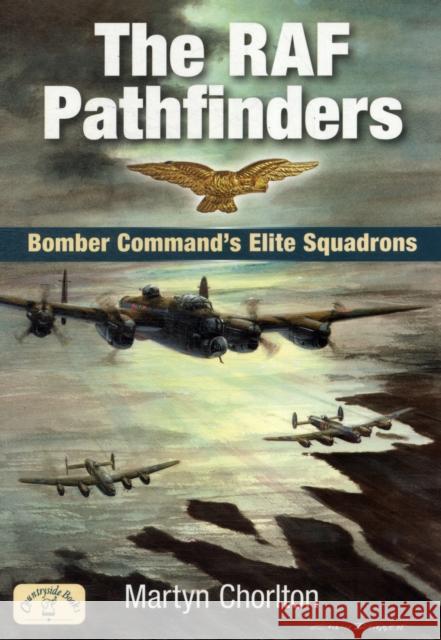
The formation of the Pathfinder Force in August 1942 produced a steady but certain change in the fortunes of Bomber Command. Its effectiveness against targets during the early years of the war had been very difficult to gauge. When examined in detail afterwards, aerial photographs showed that only one third of the aircraft were successfully reaching their target area and less than this were actually placing their bombs with target accuracy. It was known during the large-scale bombing of Coventry in the autumn of 1940 that the Germans had used an elite force of pathfinder aircraft, armed with...
The formation of the Pathfinder Force in August 1942 produced a steady but certain change in the fortunes of Bomber Command. Its effectiveness against...
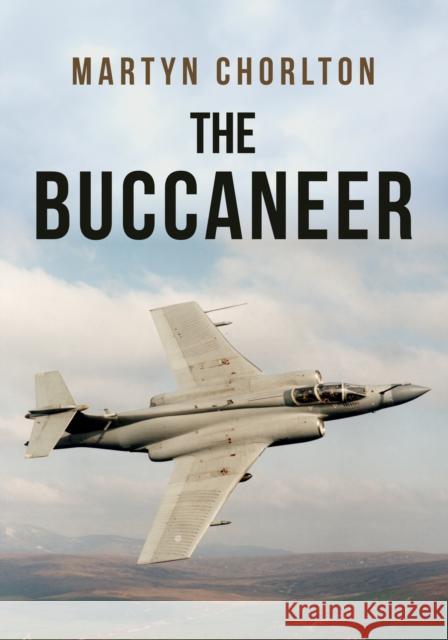
The Blackburn, later Hawker Siddeley, Buccaneer enjoyed an incredible service career that lasted over four decades. Designed as a carrier-borne attack aircraft, the Buccaneer was a solid aircraft designed to take the punishment of carrier operations and the constant stresses to the airframe caused by low-level flying. The aircraft entered service with the Royal Navy in 1962 in place of the Supermarine Scimitar and would continue with the senior service until 1978. The RAF received their first aircraft in 1969 – a legacy of the cancelled TSR.2 and F-111K, which resulted in a capability gap...
The Blackburn, later Hawker Siddeley, Buccaneer enjoyed an incredible service career that lasted over four decades. Designed as a carrier-borne attack...