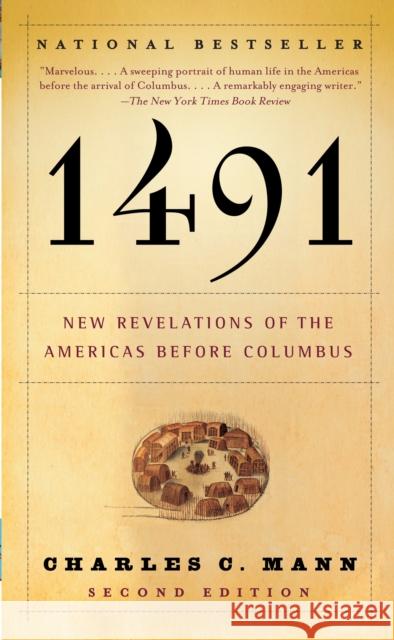
In this groundbreaking work of science, history, and archaeology, Charles C. Mann radically alters our understanding of the Americas before the arrival of Columbus in 1492.
Contrary to what so many Americans learn in school, the pre-Columbian Indians were not sparsely settled in a pristine wilderness; rather, there were huge numbers of Indians who actively molded and influenced the land around them. The astonishing Aztec capital of Tenochtitlan had running water and immaculately clean streets, and was larger than any contemporary European city. Mexican cultures created corn in a...
In this groundbreaking work of science, history, and archaeology, Charles C. Mann radically alters our understanding of the Americas before the arr...
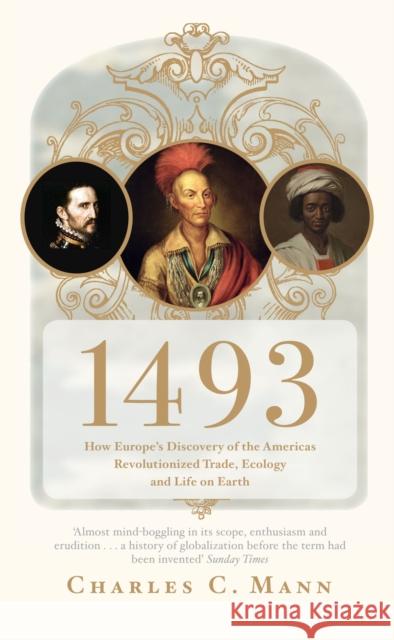
This is an account of history's biggest ecological invasion, when Europe and the Americas collided for the first time in millennia. The book explores how many historians believe that this collision of ecosystems and cultures - the Columbian Exchange - was the most consequential event in human history since the Neolithic Revolution.
This is an account of history's biggest ecological invasion, when Europe and the Americas collided for the first time in millennia. The book explores ...
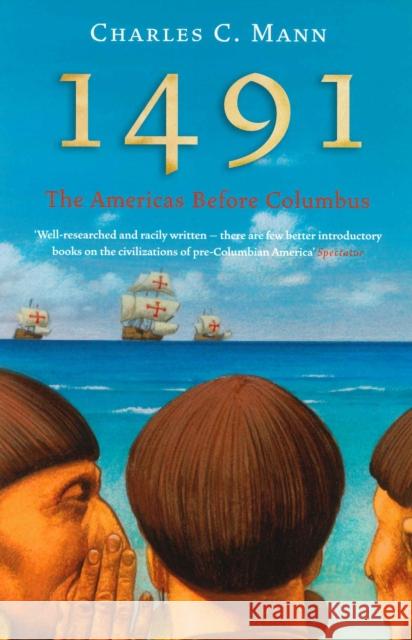
It was believed that in 1491, the year before Columbus landed, the Americas, one-third of the earth's surface, were a near-pristine wilderness inhabited by small, roaming bands of indigenous people. The author brings together the research, and the results of his own travels throughout North and South America.
It was believed that in 1491, the year before Columbus landed, the Americas, one-third of the earth's surface, were a near-pristine wilderness inhabit...
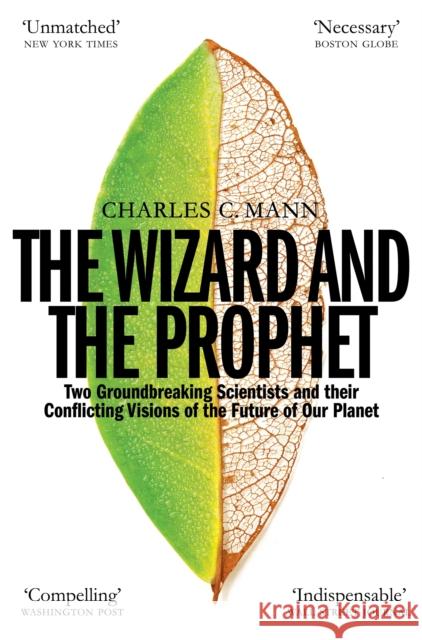
The Wizard and the Prophet tackles the biggest question we humans are facing: can the earth sustain our growing population? Our very existence is reliant on finding an answer to this one big question.
The Wizard and the Prophet tackles the biggest question we humans are facing: can the earth sustain our growing population? Our very existence is reli...