If it had not been for Owain Glyndwr's 15-year struggle against overwhelming odds, the Welsh would not have survived as Europe's oldest nation. His war is the defining era in the history of Wales. Yet Glyndwr is hardly known - a cultured, literate warrior who was never betrayed or captured and vanished into history. No less than six separate invasions were beaten back by Glyndwr's army of volunteers before he disappeared, his family and children either dead or imprisoned for life. Not for Glyndwr the brutal public death of Braveheart, nor a grave to desecrate - only an immortal legacy of hope...
If it had not been for Owain Glyndwr's 15-year struggle against overwhelming odds, the Welsh would not have survived as Europe's oldest nation. His wa...
Arranged alphabetically, this book describes over 250 herbs and spices as well as offering feature entries on scented herb/medicinal gardens, herbalists and New World herbs.
Arranged alphabetically, this book describes over 250 herbs and spices as well as offering feature entries on scented herb/medicinal gardens, herbalis...
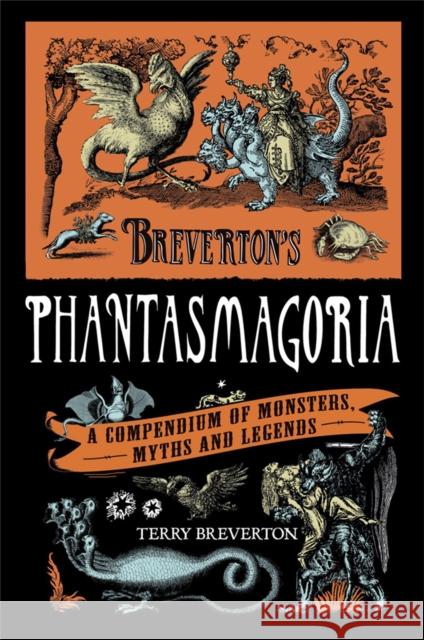
From dragons and wyverns to vampires, werewolves and mischievous gremlins, pixies and fairies, 'Breverton's Phantasmagoria' is a unique compendium of over 250 mythical animals.
From dragons and wyverns to vampires, werewolves and mischievous gremlins, pixies and fairies, 'Breverton's Phantasmagoria' is a unique compendium of ...
The Welsh: The Biography tells the story of the remarkable survival of the oldest nation and oldest language in Europe. We see how the four original major Celtic tribes are still reflected in the location of Britain's four oldest cathedrals, and how after one and a half millennia of constant invasions and eventual conquest, the Welsh retained their sense of nationality. The story of the Welsh is one of defending the nation against overwhelming odds, and of a major contribution to European literature. Its tenth century laws are acknowledged as the most progressive in the world until the later...
The Welsh: The Biography tells the story of the remarkable survival of the oldest nation and oldest language in Europe. We see how the four original m...
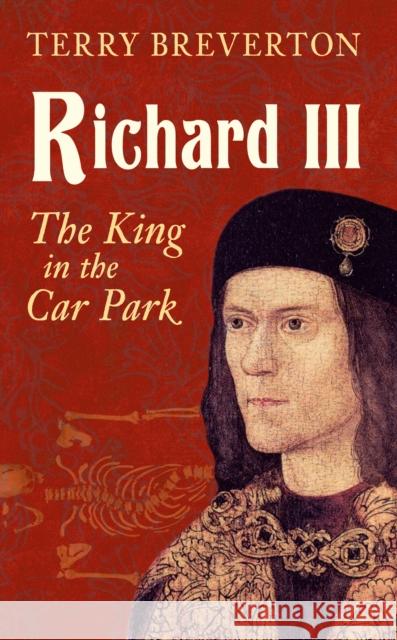
The bloody Wars of the Roses between the Houses of Lancaster and York ended with the killing of Richard III. With the recent discovery of his skeleton, and the consequent controversy over his final resting place, it is time to re-examine the life of Richard as a duke and king. Was Richard the grotesque usurper and murderer of the Princes in the Tower, as depicted by Shakespeare just over a hundred years after his death in battle? Or has his name been blackened over the years, as claimed by his apologists, the Richard III Society? This biography sifts the contemporary evidence, placing Richard...
The bloody Wars of the Roses between the Houses of Lancaster and York ended with the killing of Richard III. With the recent discovery of his skeleton...
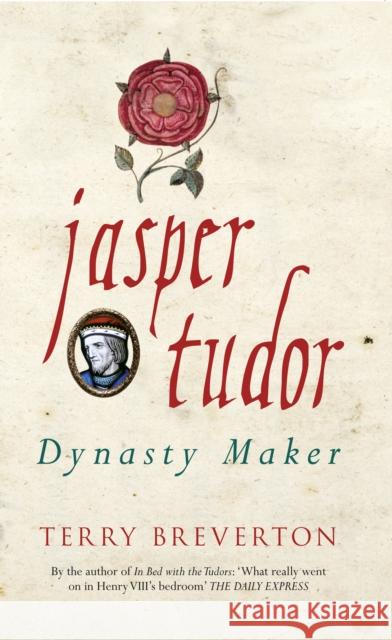
The Wars of the Roses were a bitter and bloody dispute between the rival Plantagenet Houses of York and Lancaster. Only one man, Jasper Tudor, the Lancastrian half-brother to Henry VI, fought from the first battle at St Albans in 1455 to the last at Stoke Field in 1487 and lived to forge a new dynasty - the Tudors. Fighting the Yorkists, rallying the Lancastrians and spending years in exile with his nephew, the future first Tudor monarch, Henry VII, Jasper was the mainspring for continued Lancastrian defiance. He was twenty-four years old in his first battle and fifty-three when he won at...
The Wars of the Roses were a bitter and bloody dispute between the rival Plantagenet Houses of York and Lancaster. Only one man, Jasper Tudor, the Lan...
Did you ever wonder what the Tudors ate and drank? What was Elizabeth I's first meal after the defeat of the Spanish Armada? Which pies did Henry VIII gorge on to go from a 32 to a 54-inch waist? The Tudor Kitchen provides a new history of the Tudor kitchen, and over 500 sumptuous - and more everyday - recipes enjoyed by rich and poor, all taken from authentic contemporary sources. The kitchens of the Tudor palaces were equipped to feed a small army of courtiers, visiting dignitaries and various hangers-on of the aristocracy. Tudor court food purchases in just one year were no fewer than...
Did you ever wonder what the Tudors ate and drank? What was Elizabeth I's first meal after the defeat of the Spanish Armada? Which pies did Henry VIII...