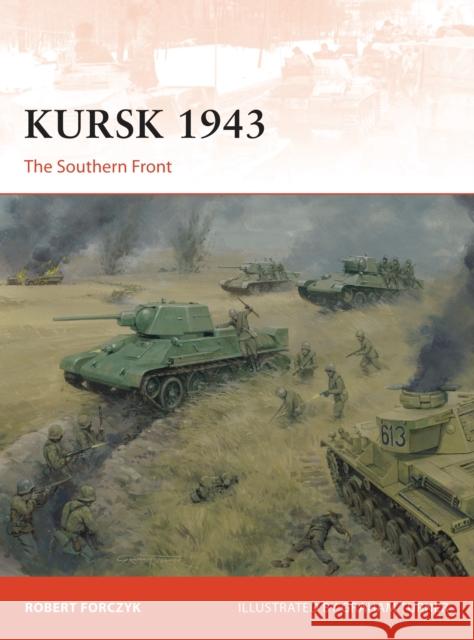
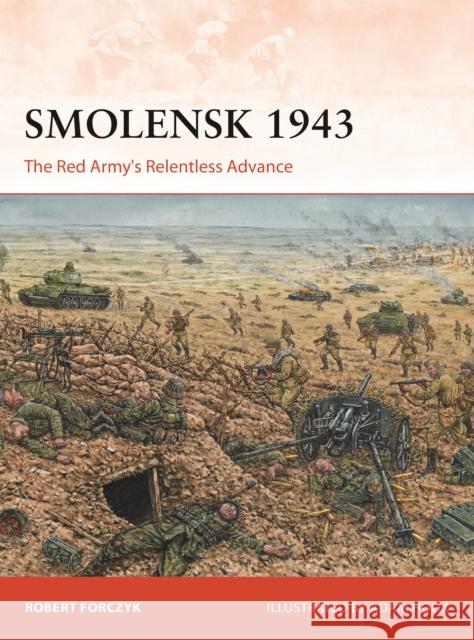
Mauled at Stalingrad, the German army looked to regain the initiative on the Eastern Front with a huge offensive launched near the city of Kursk, 280 miles southwest of Moscow. Armed with the new Panther tank, Hitler and Field Marshal von Manstein were confident that they could inflict another crushing defeat on the Soviet Union. What they did not know is that the Soviets knew about the coming attack, and they were ready.
This book focuses on the southern front of this campaign, which featured the one of the biggest clashes of armor of the war, as over a thousand tanks clashed in the...
Mauled at Stalingrad, the German army looked to regain the initiative on the Eastern Front with a huge offensive launched near the city of Kursk, 2...
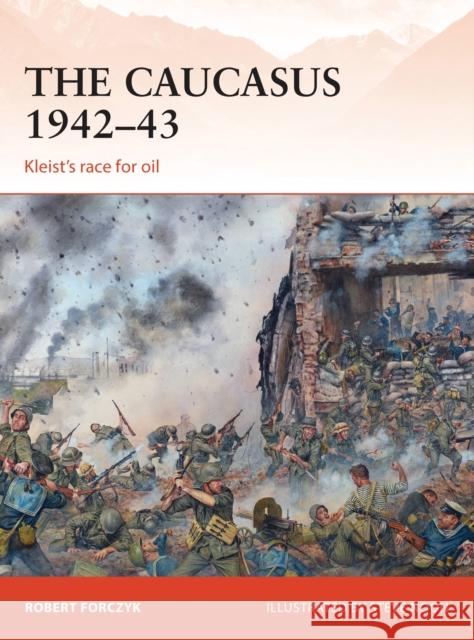
Much has been written of the titanic clashes between the Wehrmacht and the Red Army at Stalingrad, but this volume tells the other, equally important half of the story of Fall Blau (Case Blue). Learning from their experiences during the sweeping advances of Operation Barbarossa a year before, Wehrmacht commanders knew that Nazi Germany's lack of oil was a huge strategic problem. Seizure of the Caucasus oilfields, which were responsible for 82% of the Soviet Union's crude oil, would simultaneously alleviate the German army's oil shortages whilst denying vital fuel resources to the Red Army....
Much has been written of the titanic clashes between the Wehrmacht and the Red Army at Stalingrad, but this volume tells the other, equally important ...
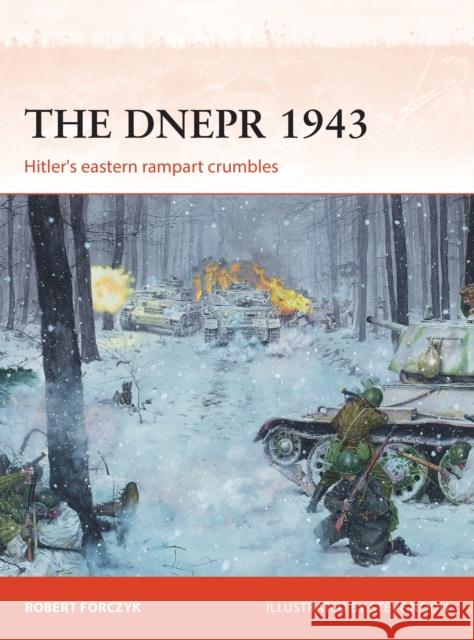
Against the wishes of Hitler, German forces under Erich von Manstein were forced to retreat following the failure of their offensive at Kursk in July 1943. The weakened force had only one possible refuge, behind the wide Dnepr River. The race to the natural defensive line was on, with the Soviets launching one of their largest offensives of the war--with over two million men on the move.
Expert Eastern Front historian Robert Forczyk describes the dramatic four-month campaign that saw the Red Army not only succeed in crossing the Dnepr at multiple points, but also liberate Kiev, the...
Against the wishes of Hitler, German forces under Erich von Manstein were forced to retreat following the failure of their offensive at Kursk in Ju...
When the Soviets fortified Sevastopol in 1941, it heralded the beginning of a period of intense fighting over the Crimea. In this remarkable work, acclaimed author Robert Forcyzk assembles new research to investigate the intense and barbaric fighting for the region in World War II, where first Soviet, and then German armies were surrounded and totally obliterated.
Now available in paperback, Forczyk's unique account provides a definitive analysis of the many unique characteristics of the conflict, exploring the historical context as it uncovers one of the most pivotal theaters of...
When the Soviets fortified Sevastopol in 1941, it heralded the beginning of a period of intense fighting over the Crimea. In this remarkable work, ...
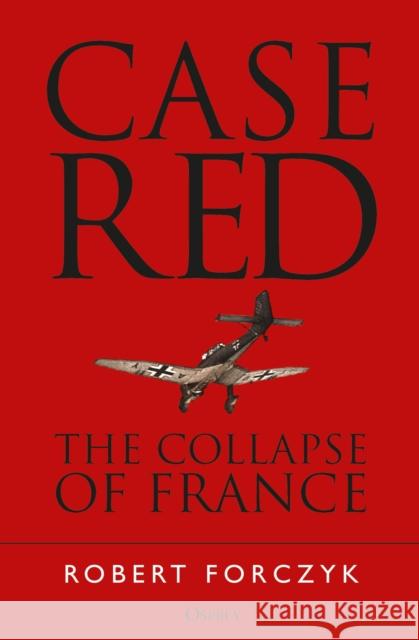
Case Red tells the often overlooked story of the fall of Metropolitan France from the evacuation of the BEF at Dunkirk through to the eventual collapse and armistice in June 1940. It will appeal to any enthusiast of World War II, particularly those interested in the Blitzkrieg.
Case Red tells the often overlooked story of the fall of Metropolitan France from the evacuation of the BEF at Dunkirk through to the eventual collaps...
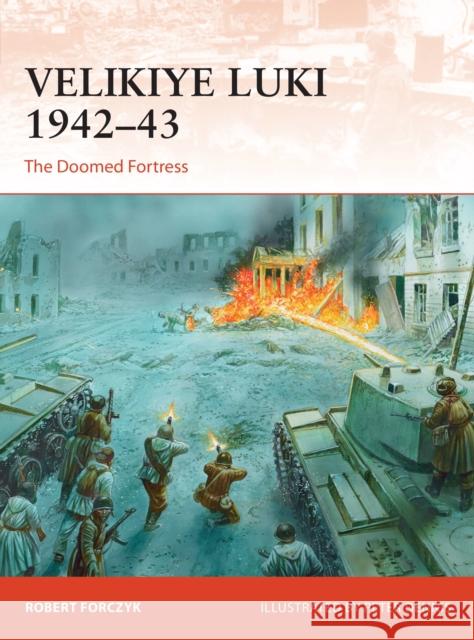
A highly illustrated study of one of the most dramatic yet overlooked episodes on the Eastern Front in World War II, the siege of Velikye Luki by Soviet forces in 1942--43.
A highly illustrated study of one of the most dramatic yet overlooked episodes on the Eastern Front in World War II, the siege of Velikye Luki by Sovi...
Now available in paperback, this fascinating title from renowned World War II historian Robert Forczyk tells the story of Case White, the German invasion of Poland in 1939.
Now available in paperback, this fascinating title from renowned World War II historian Robert Forczyk tells the story of Case White, the German invas...